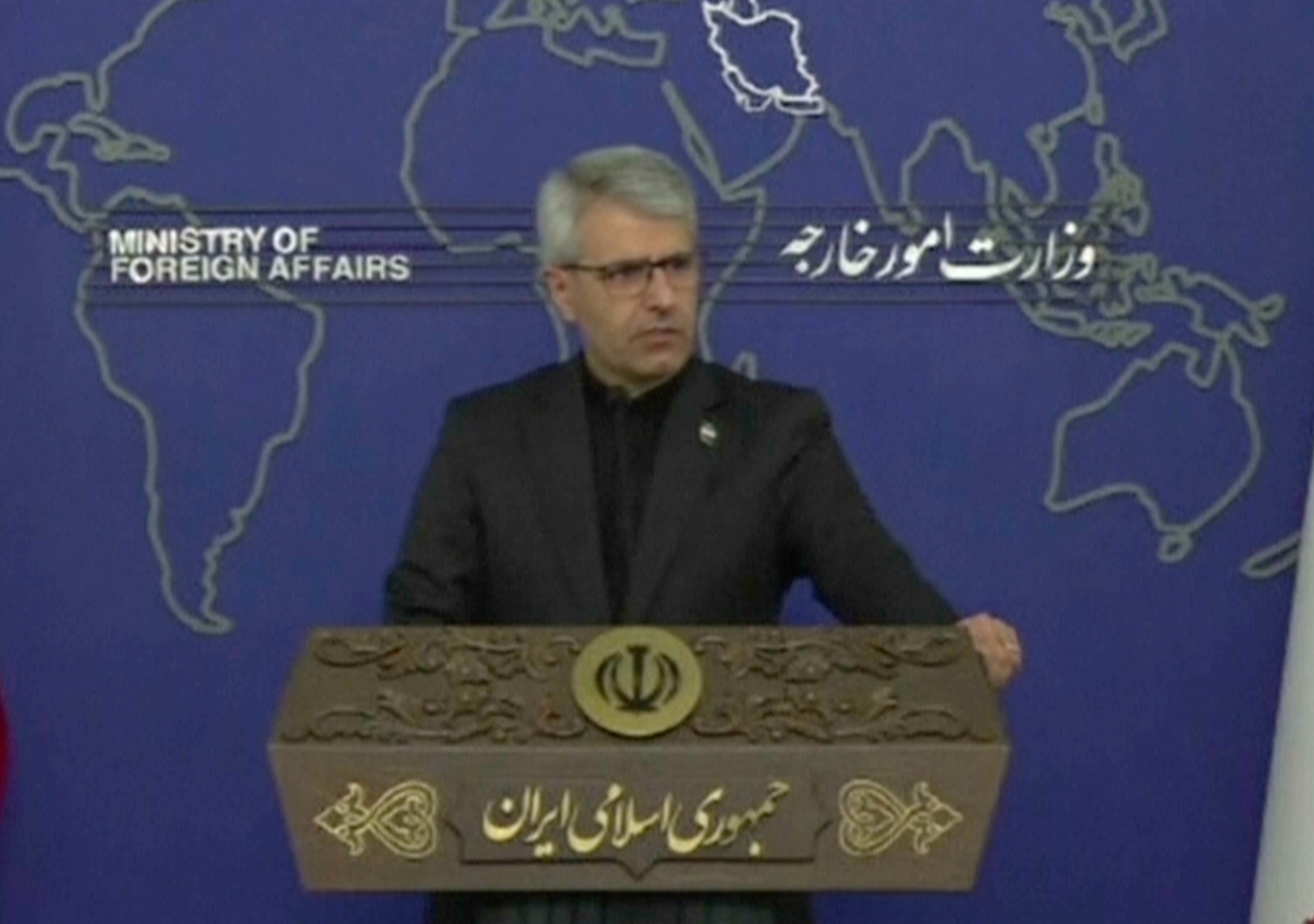

Regional stability remains a cornerstone of investment confidence in the Middle East and North Africa (MENA), with the ongoing diplomatic tension between Iran and the United States underscoring the fragility of capital flows in a geopolitically volatile zone. The Iranian government’s assertion that its response to U.S. proposals for conflict de-escalation—particularly regarding negotiations over the Strait of Hormuz—reflects a strategic calculus that could have profound implications for sovereign capital resilience and cross-border infrastructure investments. Analysts note that perceived intransigence in high-stakes security negotiations risks exacerbating capital flight from volatile markets, deterring foreign direct investment (FDI) into energy projects, and complicating debt restructuring efforts for nations reliant on U.S. ties for credit access. Such dynamics threaten to further marginalize MENA from global sovereign bond markets, where risk premiums on regional sovereign debt have already surged to multi-decade highs.
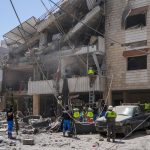
The localized nature of the Iran-U.S. dispute also has ripple effects on venture capital deployment, particularly in sectors tied to regional infrastructure modernization and energy diversification. While the U.S. pivot toward Gulf Cooperation Council (GCC) partnerships for oil security could accelerate VC-backed tech integration in logistics and renewable energy storage, uncertainty in the strait’s operational stability may delay critical infrastructure projects. For instance, Gulf states reliant on Hormuz as a key shipping artery for oil exports face heightened risks of insurance premium spikes and maritime security costs, which could erode venture-backed fintech solutions aimed at supply chain resilience. Investors are closely monitoring whether de-escalation efforts will unlock opportunities in Iran’s tech ecosystem, which has seen nascent growth in fintech and agritech despite Western sanctions—a sector poised for potential integration into regional value chains if diplomatic conditions improve.
From a macroeconomic perspective, the conflict’s impact on sovereign capital markets highlights the MENA region’s structural vulnerability to external shocks. Declining U.S. engagement in conflict resolution threatens to stall debt-for-development initiatives tied to infrastructure projects like the Trans-Anatolian Natural Gas Pipeline, a linchpin for energy diversification strategies. Meanwhile, Gulf central banks are reallocating reserves to mitigate exposure to Iran-related volatility, diverting attention from priority investments in digital infrastructure and sustainable urban development. Regional leaders must urgently prioritize de-escalation mechanisms to stabilize yields on sovereign bonds, which have become a liability for countries like Egypt and Lebanon seeking IMF support. The interplay between geopolitical risk and capital allocation underscores the urgency of diversifying economic dependencies—a challenge made more pressing as venture capital dries up in non-energy sectors due to regulatory and security uncertainties.