
Therecent infrastructure investments announced in Abu Dhabi, totaling Dh55 billion across transport, healthcare, and education sectors, mark a strategic pivot by the UAE to consolidate its position as a regional economic hub. This capital allocation reflects a calculated response toPersistent geopolitical volatility, aiming to de-risk sovereign finances by diversifying internal investment while bolstering critical infrastructure resilience. For venture capital, such large-scale public-private partnerships create opportunities for tech-driven solutions in smart city development and digital healthcare—a sector poised to attract regional startups amid growing elite demand for innovation. However, the scale of these projects also underscores the MENA region’s infrastructure deficits, which could stifle private-sector capital deployment if not Addressed through favorable regulatory frameworks and streamlined project financing mechanisms.
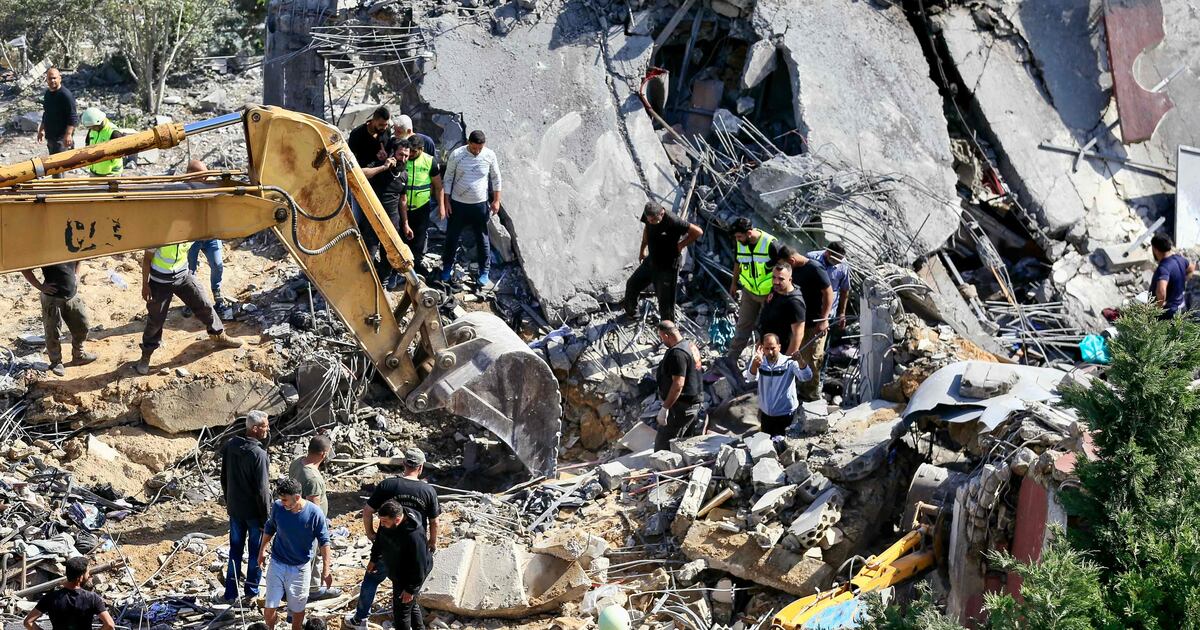
The devastation reported in southern Lebanon, with estimates of 100,000 destroyed or damaged civilian structures, poses profound implications for regional stability and sovereign capital dynamics. The estimated reconstruction needs could strain Lebanon’s already precarious fiscal health, potentially leading to increased reliance on international financial institutions or bilateral aid—a scenario that may distort local venture capital flows by diverting resources from high-risk, high-reward sectors to public-sector rehabilitation. Furthermore, the humanitarian and economic fallout risks entrenching regional instability, which could deter tech innovation investments in neighboring states by raising geopolitical risk premiums. Legal ramifications of alleged war crimes may also attract transnational legal capital but could concurrently deter private-sector engagement in conflict-affected zones.
The intersection of Iran’s military assertiveness and the tenuous US ceasefire in Yemen highlights the fragility of regional security paradigms, with direct implications for sovereign capital and venture capital ecosystems. Iran’s readiness to escalate responses to U.S. actions signals a heightened risk premium for energy and infrastructure investments across the Gulf and Levant, likely diverting sovereign funds toward defense or dual-use technologies. Concurrently, venture capital may retreat from high-risk MENA sub-sectors, favoring fintech or cybersecurity solutions that address regional security challenges. Meanwhile, regional infrastructure initiatives in the UAE and elsewhere may gain urgency to repurpose underutilized assets into critical logistics hubs, reflecting a shift toward infrastructure as a strategic asset in mitigating conflict-induced economic fragmentation.