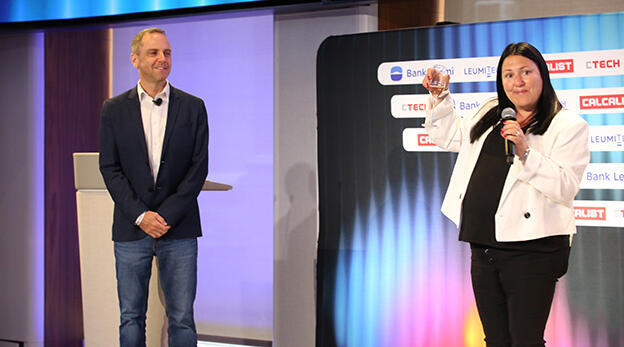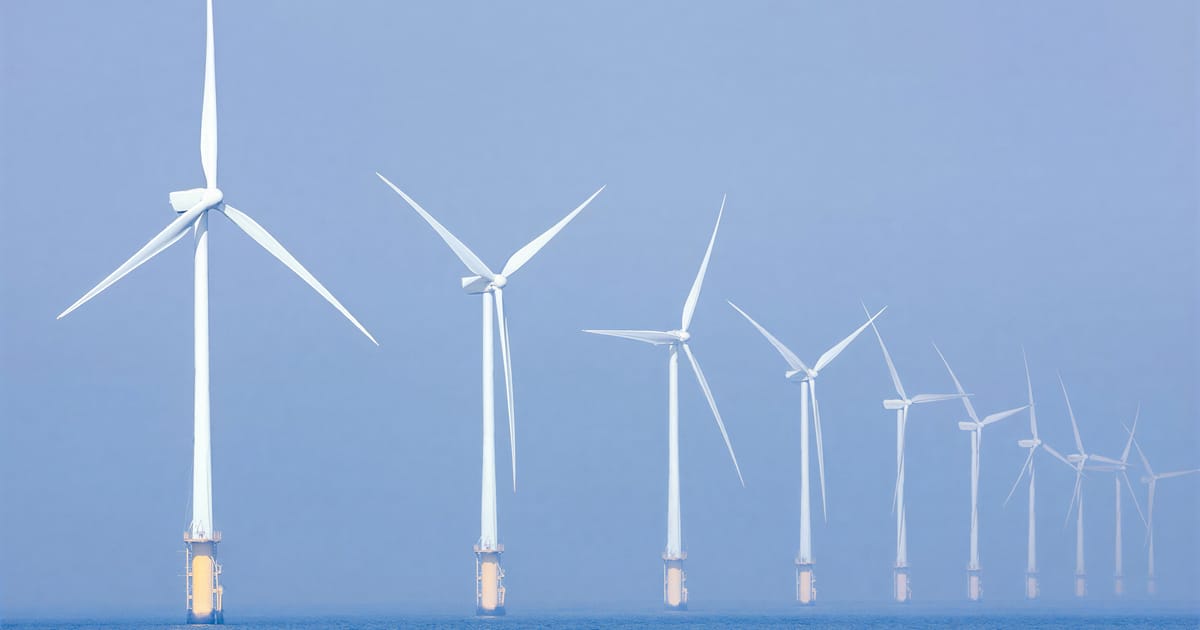

Mubadala Investment Company’s co-investment in the Hornsea 3 offshore wind project marks a decisive escalation in the UAE sovereign wealth fund’s thesis that global energy transition infrastructure—driven by transport electrification, data centre demand, and heating decarbonisation—will generate multi-decade capital deployment opportunities far exceeding the scale of any single regional play. Karim El Jazzar’s framing is not incidental; it signals that Abu Dhabi’s institutional allocator is now positioning sovereign balance sheets alongside North American private credit platforms in frontline, capital-intensive energy assets, a strategic move that cements the Gulf as a co-investor of choice for infrastructure-scale deals rather than a passive capital destination.
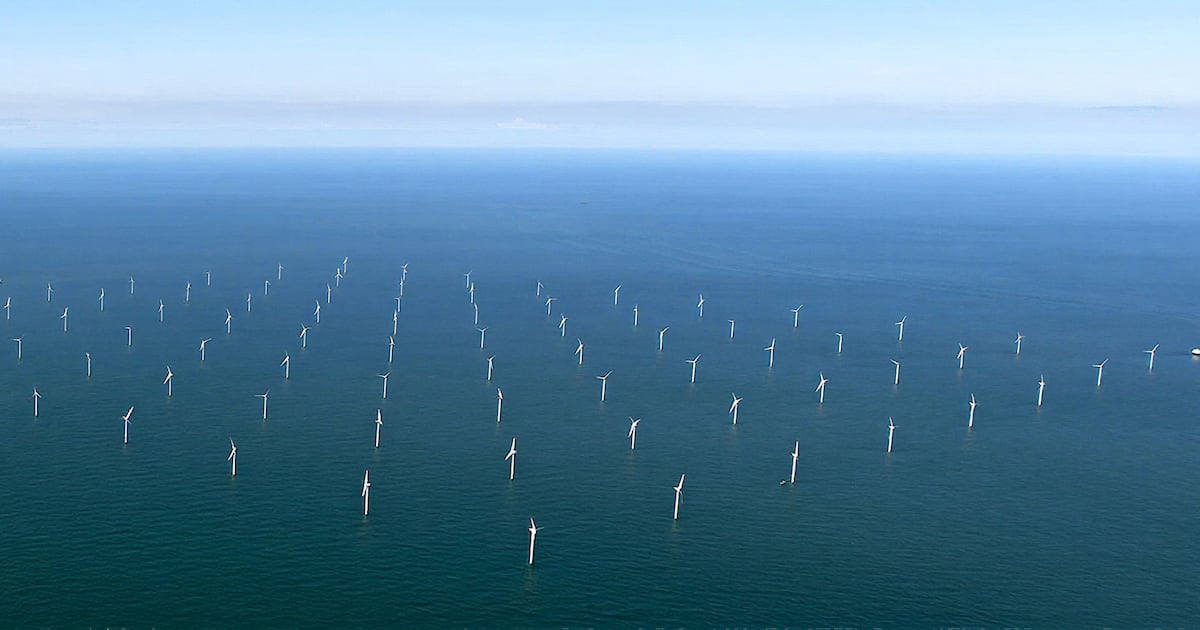
The Apollo partnership, which now spans multiple renewable platforms including Tata Power Renewables, Skyborn Renewables, PAG Renewables, and Rezolv Energy, underscores a structural shift in how MENA sovereign and quasi-sovereign capital allocates risk. Rather than concentrating exposure in domestic desalination or conventional generation, Mubadala is building a diversified tranche of utility-scale renewable assets across geographies—effectively hedging regional grid constraints against global yield-curve dynamics. For the Hornsea 3 asset specifically, with a nameplate capacity sufficient to power over three million British homes, the investment illustrates the fund’s conviction that offshore wind capacity in mature European markets remains underpriced relative to the regulatory certainty now embedded in UK CfD structures.
For the broader MENA venture and infrastructure ecosystem, Mubadala’s trajectory carries two critical implications. First, it validates the thesis that Gulf sovereign wealth is migrating from purely financial-asset allocation toward operational, infrastructure-adjacent ownership—particularly in energy transition and digital infrastructure, where the fund’s pipeline of large-scale projects is expanding in tandem with regional demand for reliable baseload and storage capacity. Second, the deepening Apollo relationship signals that Western infrastructure debt platforms are actively courting Gulf co-investment to de-risk project finance at scale, a dynamic that will shape capital structure norms across the sector for years to come.