Mubadala Investment Company’s $325 million equity stake in Ørsted’s Hornsea 3 offshore wind project represents a calculated deployment of Abu Dhabi sovereign capital into European energy infrastructure at a moment of strategic recalibration for Gulf wealth funds. The transaction, executed through a consortium led by Apollo Global Management’s infrastructure platform alongside USS and La Caisse de dépôt et placement du Québec, positions the Abu Dhabi sovereign investor alongside some of the world’s most sophisticated institutional infrastructure owners. This is not passive capital allocation; it is a deliberate assertion of sovereign wealth ambition into the global energy transition value chain.
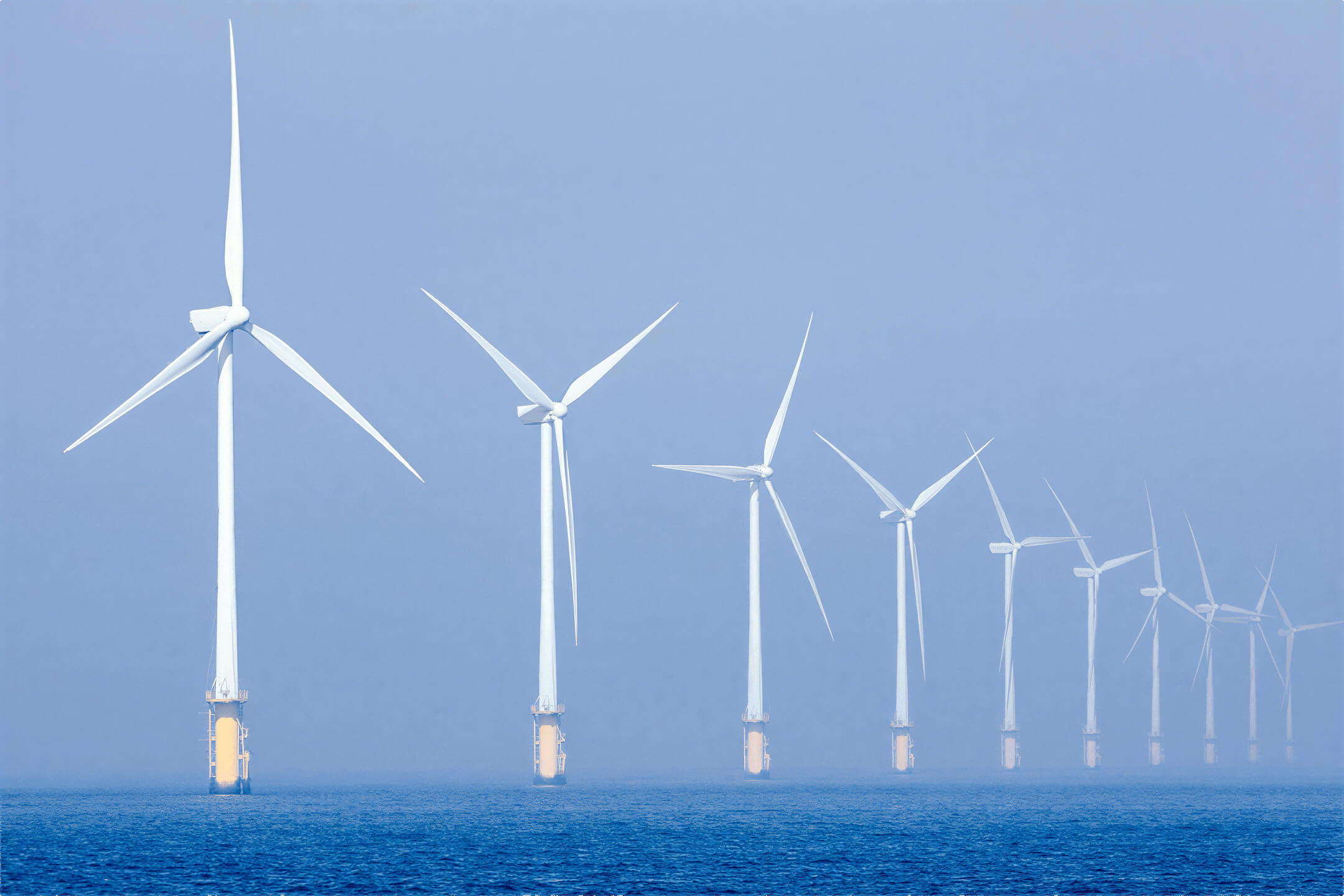
The Hornsea 3 asset itself—delivering 2.9 gigawatts of capacity to power over 3.3 million British homes—will constitute the world’s largest offshore wind farm upon completion, anchoring the third gigawatt-scale development within the Hornsea zone off the Norfolk coast. Ørsted’s retention of 50 percent ownership following Apollo Funds’ acquisition of the remaining joint venture stake reflects a carefully structured governance model that balances developer expertise with institutional capital appetite. For Mubadala, the investment provides direct exposure to operational offshore wind assets in one of the world’s most mature regulatory and offtake environments, delivering the kind of yield visibility that sovereign wealth mandates increasingly demand.
The regional implications extend well beyond this single transaction. As Middle Eastern sovereign wealth funds confront the imperative to diversify beyond hydrocarbon-dependent returns, European energy infrastructure—particularly in offshore wind—has emerged as a preferred destination for patient, long-duration capital. The Gulf states’ national economic transformation agendas, articulated through Saudi Arabia’s Vision 2030, the UAE’s economic diversification mandates, and Qatar’s post-World Cup infrastructure strategy, all require sophisticated international investment platforms capable of deploying capital at scale. Mubadala’s move into Hornsea 3 signals that MENA sovereign capital is no longer merely seeking yield; it is seeking operational expertise and technological know-how that can ultimately be repatriated or replicated within the region’s own ambitious renewable energy programs. The strategic logic is unmistakable: Gulf sovereign wealth is using European offshore wind as a learning laboratory for the energy transition infrastructure they intend to build at home.