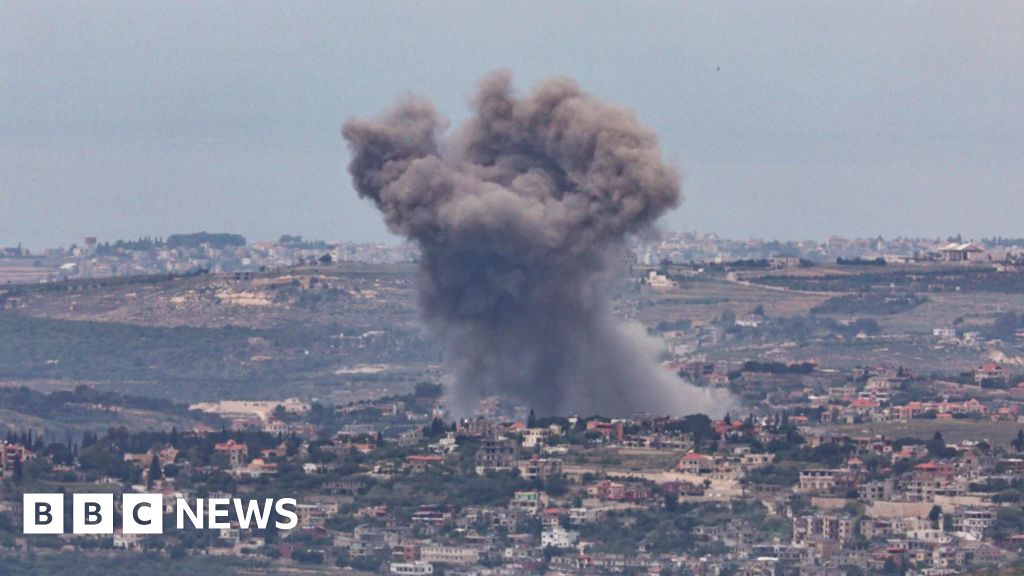

The United Arab Emirates’ critical Habshan gas processing complex sustained significant operational disruptions following Iranian missile strikes in April, underscoring vulnerabilities in the region’s energy infrastructure and exposing immediate financial ramifications for Abu Dhabi’s sovereign capital strategy. ADNOC Gas, the operator of the facility and a cornerstone of the emirate’s hydrocarbon portfolio, reported two security incidents on April 3 and 8, temporarily halting operations at one of the world’s largest gas processing sites. While 60% of the complex’s capacity was rapidly restored, the company warned that quarterly net income could decline by up to $600 million this year due to the ongoing closure of the Strait of Hormuz, a chokepoint through which nearly 30% of global liquefied natural gas bound for Asian markets once transited. The incident highlights the strategic importance of maximizing domestic energy security while navigating geopolitical volatility in the Persian Gulf.
ADNOC Gas anticipates restoring 80% of Habshan’s processing capacity by the end of 2026, with full recovery projected for 2027, a timeline that reflects both the scale of infrastructure repair required and the broader capital allocation priorities of Abu Dhabi’s sovereign wealth. The Habshan Complex, which processes 6.1 billion standard cubic feet per day across 14 processing trains, is integral to the UAE’s production targets under the OPEC+ framework. The interim reliance on ADNOC’s wider network and the upcoming Rich Gas Development project’s Phase 1 signals a pragmatic approach to maintaining output, though it also underscores the need for sustained capital expenditure to modernize aging infrastructure and mitigate future risks. For investors, the episode reinforces the UAE’s dual-track strategy of leveraging existing hydrocarbon assets while positioning sovereign capital to fund long-term energy transition initiatives.
The regional implications extend far beyond the UAE’s borders, as the Hormuz corridor’s instability amplifies liquidity constraints for Gulf sovereign wealth funds and deters foreign direct investment in energy infrastructure. With venture capital increasingly flows tilting toward decarbonization technologies and digital energy solutions, the UAE must balance its conventional asset portfolio against emerging opportunities in clean energy projects and carbon management. ADNOC’s partnerships with international energy firms and its growing focus on low-carbon hydrogen ventures suggest a recalibration of capital deployment strategies, aligning with Riyad’s Saudi Green Initiative and Qatar’s North Field expansion plans. However, the immediate operational setbacks at Habshan underscore the need for accelerated investment in resilient infrastructure to safeguard regional supply chains and maintain the MENA region’s role as a global energy hub.
Looking ahead, the UAE’s ability to recover from this incident will hinge on its capacity to integrate sovereign capital with private-sector venture funding, particularly in technologies that enhance infrastructure durability and reduce dependence on seaborne energy exports. The Rich Gas Development project and related upstream investments represent a bridge strategy, but the long-term sustainability of Abu Dhabi’s economic model increasingly relies on attracting private capital to emerging sectors such as renewable energy storage, carbon capture, and smart grid technologies. As geopolitical tensions persist, the confluence of sovereign balance sheets, venture capital imperatives, and regional infrastructure resilience will define the next phase of the MENA region’s evolution from an energy commodity exporter to a diversified global economic powerhouse.