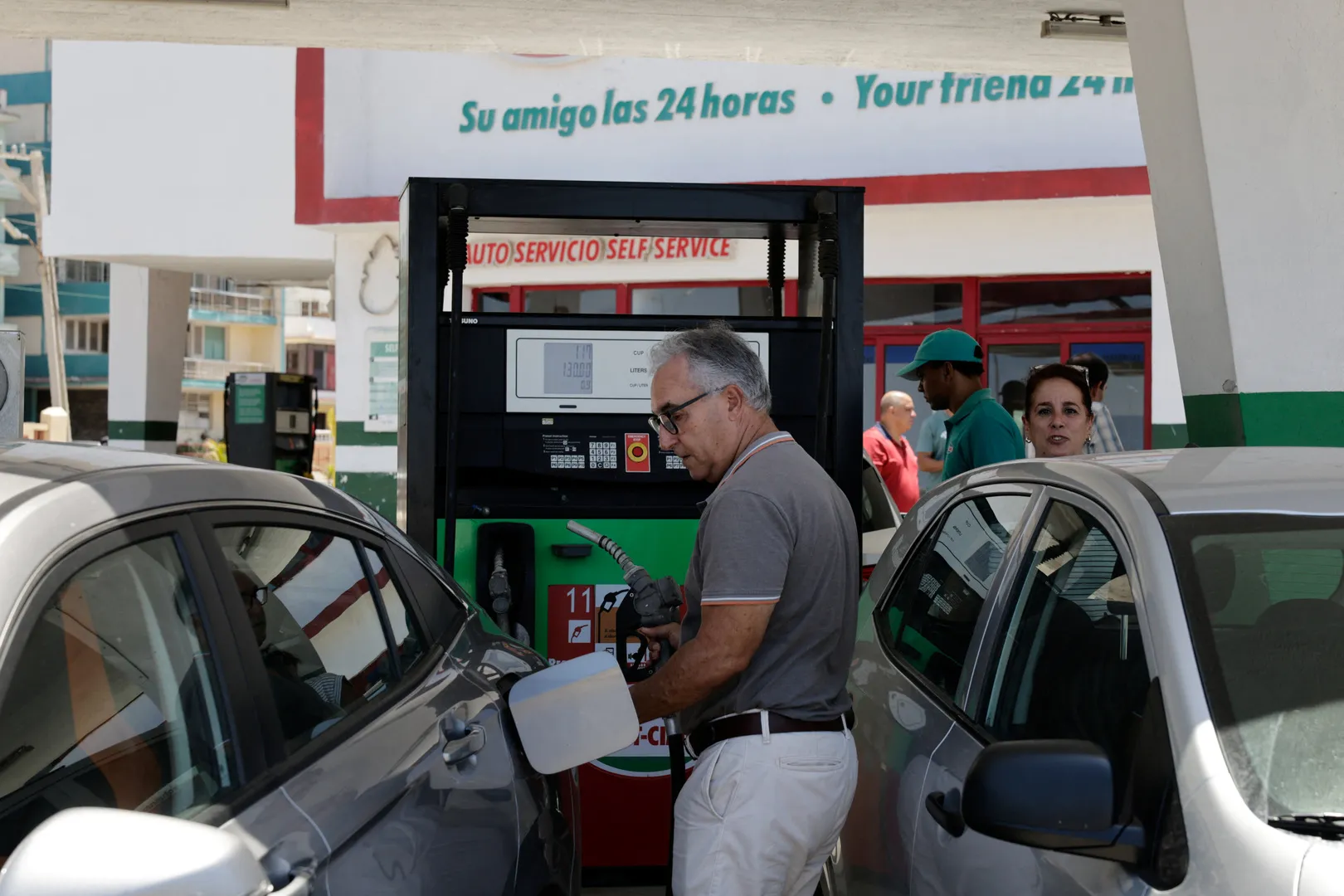

U.S. President Donald Trump’s administration intensifies its pressure on Cuba, labeling the island nation as ‘a failed nation.’ In response, Cuba announces a significant policy shift, abandoning fixed petrol prices amid worsening fuel shortages and power disruptions.
Published On 13 May 2026
In the global financial landscape, the U.S.’s intensified pressure on Cuba has set off a ripple effect, particularly in its implications for sovereign capital and infrastructure within the Middle East and North Africa (MENA) region. This action by President Trump provides a stark example of how stringent international policies can disrupt local economies, prompting similar nations to reassess their energy policies and investment strategies. As energy prices adjust and nations recalibrate, countries in the MENA region experience a cascade of financial implications, including fluctuating fuel costs, strategic shifts in energy investments, and further economic pressures.
Domestically within Cuba, the decision to abolish fixed petrol pricing signals a proactive move to address recurring infrastructural and economic challenges. This regulatory alteration seeks to stabilize the already fragile energy sector by aligning prices with market realities, potentially stimulating economic activity in the short term. However, it also serves as a cautionary tale for other Middle Eastern countries reliant on Cuba for investment and logistical support. The US sanctions and Cuba’s response underscore a broader narrative of geopolitics impacting energy and investment dynamics in the region. The funds and investments at Cuba are steered away from traditional fuel-related industries, resulting in shifts in existing financial portfolios and incentivizing investments in alternative, sustainable energy solutions and technologies within the MENA region.
Venture capital activity across the MENA region has diverse reactions to the evolving political and economic climate in Cuba and the U.S.-Cuba relations. Investors are increasingly aware of the volatility associated with Cuba’s political status and its international relations, particularly as a response to US foreign policies. This has resulted in a broader diversification of investments within the region, with a noticeable uptick in the investment of resources into startups and projects with minimal geopolitical exposure, such as renewable energy ventures, tech innovations, and educational transformation projects. This pivot is driven by the need for capital into sectors less susceptible to the volatility of traditional energy investments, aligning with long-term sustainable growth strategies. Emerging technologies, particularly in sustainable energy and finance, are benefiting from both sovereign capital and venture capital, poised to lead future industry developments in the face of international economic and political shifts.