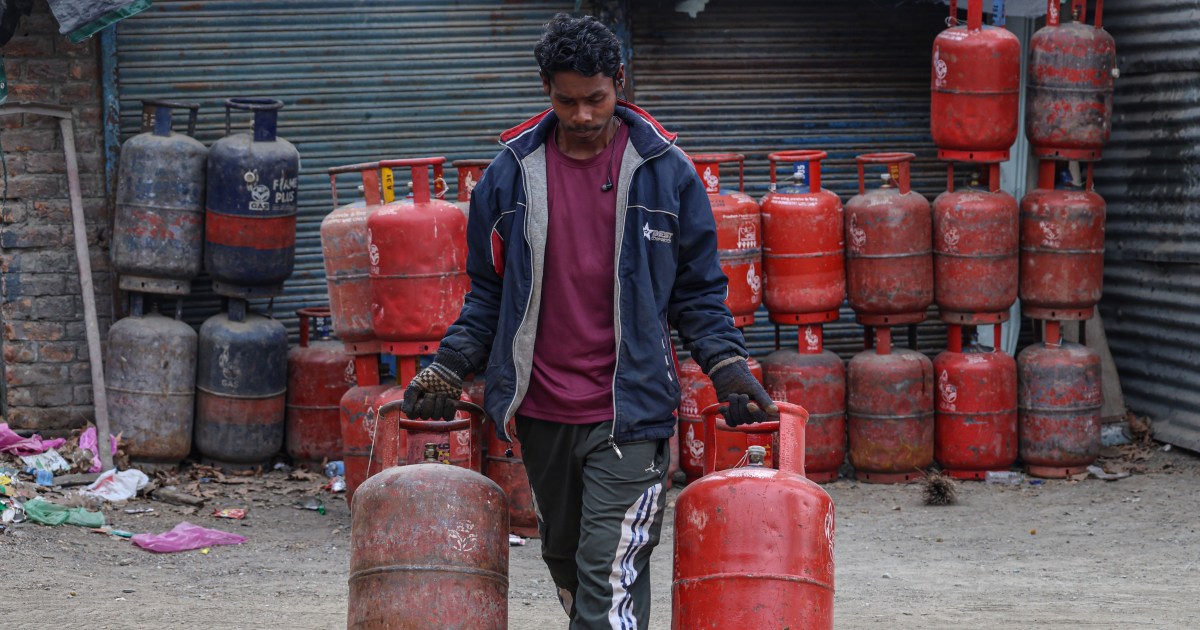

The closure of the Strait of Hormuz, a catastrophic disruption precipitated by the Iran war, has fundamentally altered India’s energy calculus, forcing New Delhi into a rapid and strategic realignment with Gulf capital and infrastructure. This geopolitical shock, which has severed roughly half of India’s crude transit, is less a temporary crisis than a catalyst for a permanent restructuring of sovereign energy partnerships. India’s belated fuel price hike and mandated austerity measures are symptomatic of a deeper vulnerability; the real story lies in the parallel, urgent diplomatic and financial manoeuvres to bypass the Persian Gulf chokepoint, positioning MENA states not merely as suppliers but as indispensable architects of India’s future energy security architecture.
The fallout is already redirecting substantial sovereign and venture capital flows. The recent India-UAE pacts on oil, gas, and defence signal a new phase of integrated strategic investment, where Abu Dhabi’s sovereign wealth funds are poised to escalate direct equity stakes in Indian refineries, storage terminals, and alternative fuel projects. Simultaneously, venture capital is pivoting towards technologies that mitigate supply chain risk—biofuel innovation, logistics platforms for diversified import routes, and carbon capture for enhanced oil recovery. This capital reallocation represents a long-term bet on a MENA-centric energy ecosystem, de-risking portfolios against future Hormuz closures and aligning with Delhi’s imperative to source from stable, friendly sovereigns.
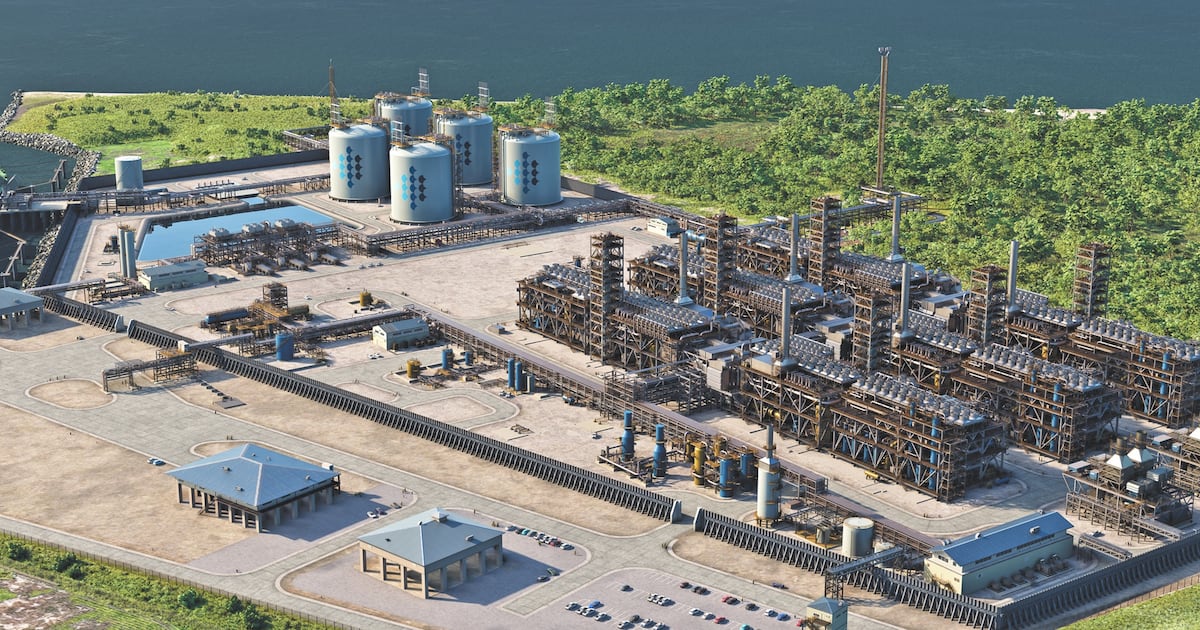
The most concrete regional infrastructure implication is the accelerated UAE pipeline project, now slated for completion in 2027, which will provide India with a critical alternative export artery. This development is being closely scrutinised by other Gulf and North African producers as a blueprint for capturing greater value and control over Asian-bound crude. For North Africa, the crisis may spur investment in Mediterranean loading terminals and transshipment hubs to attract Indian VLCCs seeking to avoid the Gulf entirely. Ultimately, the Hormuz disruption is forging a new geography of energy supply, where MENA’s internal pipeline networks and port infrastructure become the central arteries of Indian energy security, locking in decades of capital expenditure and geopolitical alignment.