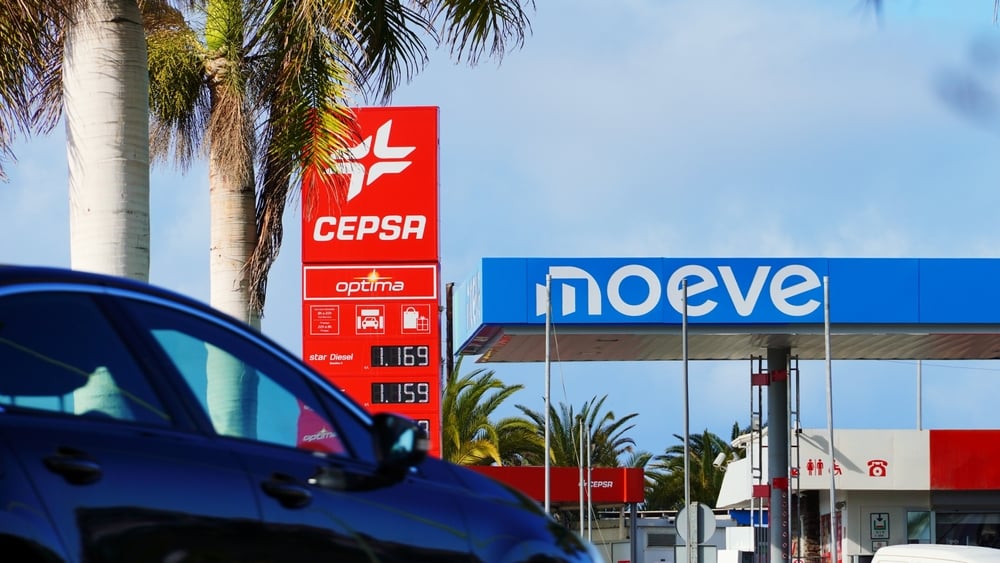

Moeve, formerly Cepsa, finalized €1.1 billion for the initial phase of its Andalusian Green Hydrogen Valley, securing a pivotal 51% stake and signaling a decisive strategic pivot from fossil fuels. This first investment, Onuba, will deploy 300 MW of electrolyser capacity near Huelva, leveraging Andalusia’s abundant solar resources. The project’s structure—with significant participation from Masdar and Enagás Renovable—embodies a broader trend of sovereign capital from the Gulf integrating with European clean energy ambitions. This public-private financing model, underpinned by €304 million in Spanish state funding through the NextGenerationEU program, positions Onuba as a critical node within Europe’s decarbonization strategy, directly targeting hard-to-abate sectors like chemical production and heavy transport.
The project’s PCI status from the European Commission and alignment with Spain’s Recovery Plan underscore its centrality to Brussels’ industrial transformation goals. By securing grid access and pairing electrolysers with dedicated solar generation, Moeve mitigates a key European bottleneck, transforming potential into scalable clean hydrogen supply. This hybrid model enhances carbon intensity profiles while positioning Andalusia as an emerging renewable energy exporter, particularly via port logistics to northern Europe. Such infrastructure investments reflect a fundamental reallocation of capital—from fossil assets to long-term clean infrastructure—demonstrating how sovereign funds (Mubadala) and corporate balance sheets can accelerate energy transition at scale.
Moeve’s €8 billion transition strategy, executed alongside the Cepsa rebranding, exemplifies institutional capital shifting priorities. Recent operational profitability (€341m net profit, 2023) provides internal funding capacity for this pivot, while exploratory talks with Galp may yield future consolidation synergies. Onuba’s success—producing 45,000 tonnes/year of green hydrogen to avoid 250,000 tonnes of CO₂—serves as a concrete benchmark against Europe’s 2030 hydrogen targets (10 Mt annual production). This project thus transcends regional significance, representing a template for deploying sovereign capital and infrastructure to resolve Europe’s renewable hydrogen challenges and accelerate its clean industrial future.