
The escalation of hostilities in Eastern Europe, compounded by the concurrent geopolitical shock in the Middle East, is precipitating a fundamental recalibration of global capital flows with profound implications for MENA sovereign investors. Gulf Cooperation Council (GCC) sovereign wealth funds, with over $2 trillion in assets under management, are navigating a complex new reality where traditional long-term holdings in Russian energy and commodities face heightened impairment risks and reputational scrutiny. The U.S. easing of sanctions on Russian oil, as noted by Ukrainian leadership, threatens to artificially cap global crude prices, directly eroding the primary revenue base upon which regional fiscal budgets and sovereign investment portfolios are constructed. This dynamic is forcing a near-term strategic pivot, accelerating the divestment from non-core, geopolitically exposed assets and intensifying the search for secure, yield-generating investments in domestic infrastructure, advanced technology, and select Western markets less entangled in the current sanction regimes.
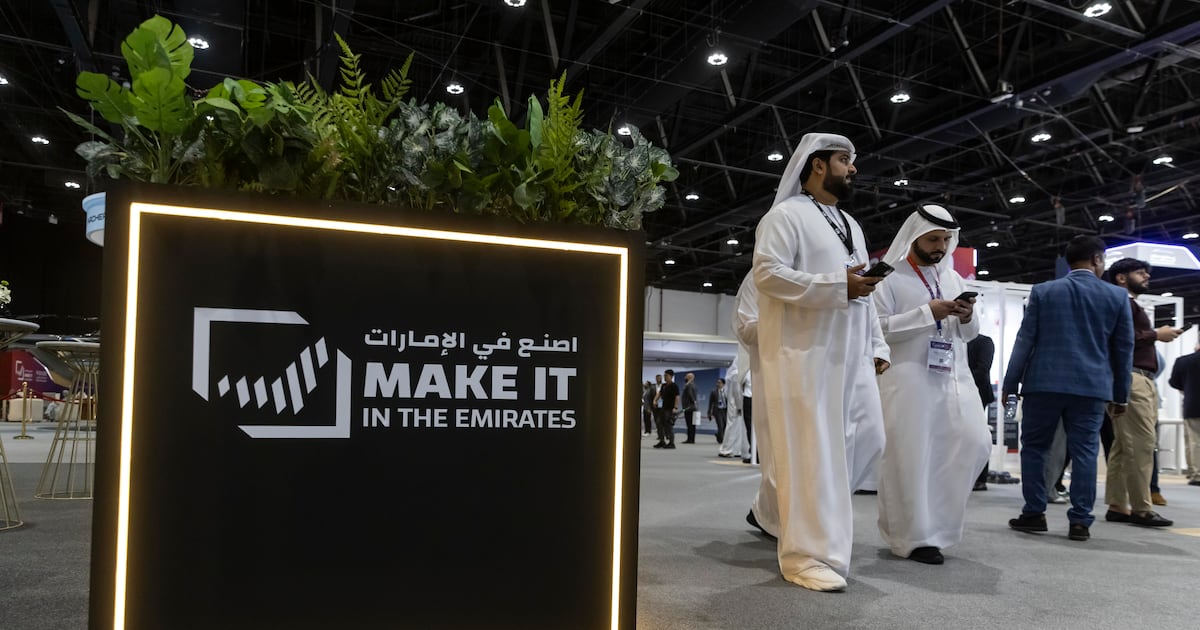
This capital reallocation is set to supercharge the already ambitious venture capital and technology development agendas across the region, particularly in the UAE and Saudi Arabia. As European and American institutional investors reassess risk calculus in light of dual-front instability, MENA-based funds are positioned to capture a larger share of global late-stage venture capital and private equity deals, particularly in sectors aligned with national economic diversification mandates: fintech, climate tech, and enterprise SaaS. The region’s sovereign catalysts, such as the UAE’s Mubadala and Saudi Arabia’s PIF, are leveraging this moment to co-invest with international partners, deploying capital not merely for financial return but as a tool of strategic autonomy. The derailment of peace talks and the expansion of the U.S.-Israel-Iran conflict zone, however, injects a persistent risk premium into the regional investment thesis, potentially slowing the influx of independent foreign VC capital and demanding higher co-investment commitments from sovereign entities to maintain momentum.
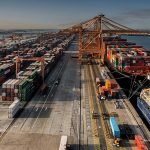
The long-term infrastructure blueprint for the MENA region, predicated on projects like Saudi Arabia’s NEOM and the UAE’s national logistics corridors, now faces both opportunity and existential threat. While global supply chain disruptions may enhance the strategic value of the region’s ports and transit hubs, the specter of broader regional conflict could divert critical sovereign financial resources from economic diversification toward defense and security expenditures. The viability of massive technology and sustainability projects is now contingent on a regional security calculus that has dramatically deteriorated. Sovereign capital will be compelled to underwrite not only the commercial risk of these ventures but also a burgeoning geopolitical insurance premium, potentially stretching balance sheets and altering the financial structuring of future gigaprojects. The intersection of sustained high oil prices, redirected capital, and pervasive instability may ultimately cement a new paradigm: a MENA economic model less dependent on hydrocarbon exports and more driven by state-directed technology and infrastructure, but one financed under a shadow of perpetual strategic anxiety.