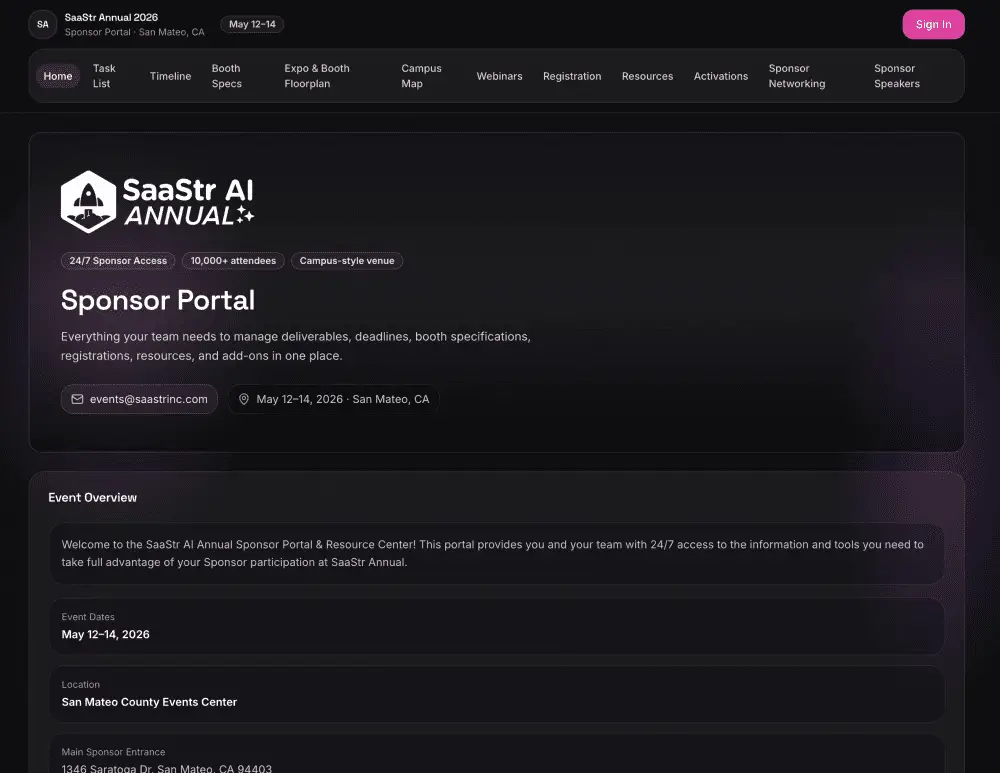

The proliferation of AI‑enabled “vibe coding” is reshaping the build‑versus‑buy calculus for enterprises across the Middle East and North Africa, compelling sovereign wealth funds and corporate treasuries to reassess capital deployment strategies. In jurisdictions where fiscal diversification programs—such as Saudi Vision 2030, UAE’s National Innovation Strategy, and Egypt’s Vision 2030—prioritize digital sovereignty, the 90/10 heuristic (procure commoditized platforms, internally develop the differentiated 10 %) offers a pragmatic framework for allocating scarce engineering talent while preserving budget discipline. By directing the bulk of IT spend toward proven SaaS vendors with SOC 2, ISO 27001, and local data‑residency compliance, governments and large corporates can mitigate operational risk and accelerate implementation timelines, reserving bespoke development for mission‑critical workflows that leverage proprietary datasets—such as AI‑driven marketing orchestration or real‑time sponsor‑portal automation—where off‑the‑shelf solutions lack the depth required for competitive differentiation.
From a venture‑capital perspective, the rise of low‑code/gen‑AI tooling is expanding the addressable market for early‑stage founders in the MENA ecosystem, yet it also intensifies pressure on VCs to scrutinize startups’ defensibility. Funds that traditionally backed “platform‑plays” must now evaluate whether a venture’s core IP resides in a thin AI wrapper easily replicated via vibe coding or in deeper, data‑moat assets such as region‑specific regulatory expertise, language models trained on Arabic dialect corpora, or integrated infrastructure services. Consequently, we observe a shift toward later‑stage, growth‑equity‑style investments that favor companies with established AI‑enhanced product suites and clear pathways to sovereign‑backed infrastructure partnerships—think smart‑city platforms, energy‑grid analytics, or fintech rails that interoperate with national payment switches.
Infrastructure implications are equally significant. As MENA governments invest billions in 5G rollout, hyperscale data‑center campuses, and AI‑research hubs (e.g., NEOM’s THE LINE, Abu Dhabi’s AI Hub, Qatar’s TASMU), the demand for secure, locally hosted AI agents will rise. Vibe‑coded internal tools, while agile, often lack the enterprise‑grade resiliency, audit trails, and multi‑tenant scaling required for national‑scale deployments. This creates a complementary market opportunity for regional systems integrators and cloud providers to offer “AI‑agent‑as‑a‑service” layers that encapsulate the vibe‑coded logic within hardened, compliant environments—effectively turning the 10 % internal innovation into a regulated, monetizable offering that can be sold back to sovereign entities or exported to neighboring markets.
Ultimately, the decision to vibe code versus procure must be anchored in a rigorous assessment of strategic value, talent opportunity cost, and long‑term maintenance liability. For MENA institutions navigating ambitious digital transformation agendas, adhering to a disciplined 90/10 split—while reserving the 10 % for AI‑enhanced, data‑driven processes that are genuinely unattainable in the market—ensures that capital is deployed efficiently, innovation is sustainable, and regional infrastructure remains resilient, secure, and aligned with broader economic diversification goals.