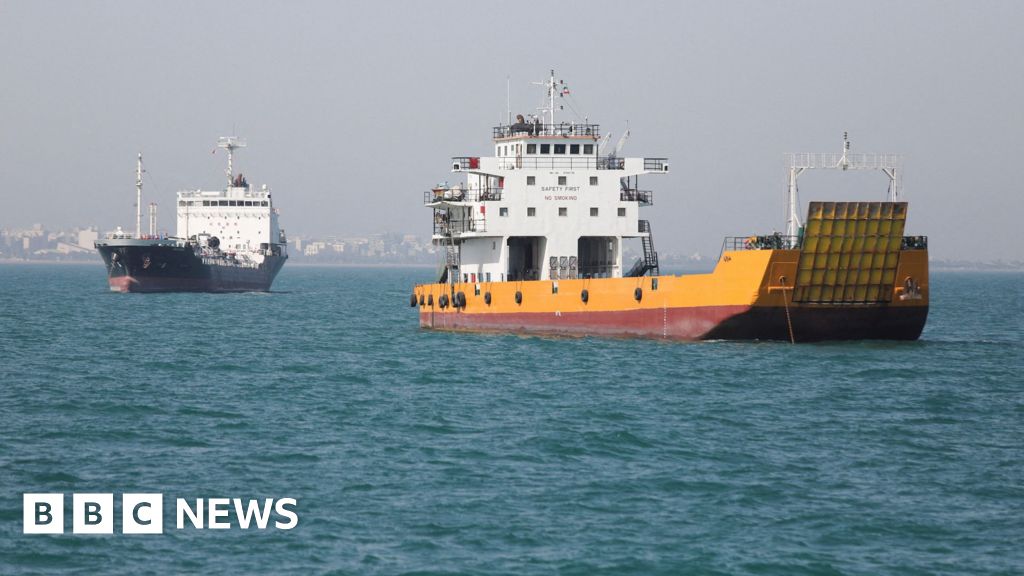

The recent disruption of global oil and gas flows through the Strait of Hormuz by Iran constitutes a significant escalation in the evolving landscape of economic warfare, marking a pivotal shift from a period of US economic dominance. This event, while framed as asymmetric retaliation against the United States and Israel, represents a strategic replication of tactics previously employed by Washington, highlighting the diminishing effectiveness of unilateral sanctions in the contemporary international order. The implications for the Middle East and North Africa (MENA) region are profound, extending beyond immediate energy market fluctuations to reshape regional power dynamics, sovereign capital allocation, and the pace of technological and infrastructural development.
The rise of Iran and China as major economic actors capable of deploying strategic economic tools signals the obsolescence of a century-long US hegemony in this domain. China’s assertive use of export controls, particularly in critical minerals, demonstrably impacted key sectors in the US, necessitating diplomatic de-escalation. This precedent now compels the US to confront a more multifaceted and potentially destabilizing form of economic coercion from Iran, which has effectively weaponized a crucial chokepoint in global trade. The resulting energy price volatility has compelled the US to temporarily ease sanctions on Russian oil, a direct consequence of the broader economic pressures unleashed by Iran’s actions. This dynamic underscores the increasingly complex calculus of statecraft in a world where economic leverage is wielded with greater autonomy and less reliance on traditional diplomatic frameworks.
The broader ramifications for the MENA region are substantial. Increased competition in energy markets, coupled with heightened geopolitical uncertainty, will necessitate significant sovereign capital mobilization towards diversifying economic portfolios and bolstering regional resilience. The disruption of established trade routes and supply chains presents a considerable challenge for businesses operating within the region, potentially accelerating the need for strategic investments in regional infrastructure – particularly in port development, logistics networks, and alternative energy sources. Furthermore, the shift towards a multipolar economic order is likely to intensify regional competition for influence, requiring proactive engagement in shaping new trade alliances and fostering technological innovation to maintain competitiveness.
The long-term implications of this shift towards economic warfare extend beyond immediate market adjustments and regional power shifts. The demonstrated limitations of sanctions as a primary geopolitical tool raise fundamental questions about their effectiveness and diplomatic utility. The prevalence of state-driven economic decoupling and the emergence of alternative trading partners indicate a trajectory toward increasing economic fragmentation. This evolving landscape will necessitate a re-evaluation of international relations and a greater emphasis on multilateral cooperation to mitigate the risks associated with persistent economic coercion. The current era of economic warfare carries a heightened risk of escalating into broader geopolitical instability, highlighting the imperative for proactive diplomacy and strategic foresight in the MENA region and beyond.