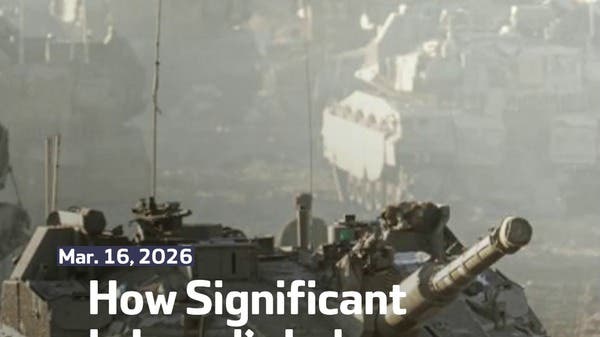

Israel’s recent military foray into Lebanon represents a significant, albeit localized, geopolitical shift with potentially far-reaching economic consequences for the broader Middle East and North Africa region. While the immediate impact centers on border security and regional tensions, the underlying implications for sovereign capital deployment, venture capital flows, and infrastructural development warrant careful scrutiny. The increased volatility introduces heightened risk premiums, potentially impacting foreign direct investment in neighboring countries and slowing down planned infrastructure projects crucial for regional economic integration. Sovereign wealth funds, already navigating complex geopolitical landscapes, will likely adopt more cautious investment strategies in the short to medium term, prioritizing liquidity and lower-risk asset classes.
The disruption, even if contained, creates uncertainty for the nascent technology sectors across the MENA region. Venture capital, a vital engine of innovation and job creation, could experience a pullback as investors reassess risk profiles. Lebanon, already facing a severe economic crisis, is particularly vulnerable, potentially deterring crucial international assistance and hindering its long-term recovery prospects. Beyond Lebanon, the heightened regional instability could impact cross-border trade and investment corridors, affecting projects aimed at enhancing connectivity and economic interdependence within the region. This is particularly pertinent given ongoing efforts to realize the full potential of initiatives like the Pan-Arab transport network and digital economy diversification programs.
Furthermore, the situation underscores the fragility of regional infrastructure endeavors. Planned energy projects, transport links, and digital infrastructure initiatives often rely on a degree of geopolitical stability. Increased military activity and heightened tensions can derail these projects, leading to significant financial losses and hindering long-term development. The security implications also extend to critical energy supply chains, potentially impacting energy security across the region and influencing regional energy investment decisions. This necessitates a reassessment of risk mitigation strategies for all infrastructure projects and a renewed focus on regional cooperation to foster stability and economic resilience.
In the longer term, the Israeli-Lebanese dynamic will likely necessitate a recalibration of investment strategies across the MENA region. While the immediate focus remains on security, policymakers and investors must proactively address the potential economic fallout. This includes strengthening regional financial buffers, diversifying investment portfolios, and prioritizing projects that enhance resilience and promote economic diversification beyond traditional sectors. The event serves as a stark reminder of the interconnectedness of regional security and economic prosperity and the need for sustained diplomatic efforts to de-escalate tensions and foster a more stable and predictable investment environment.