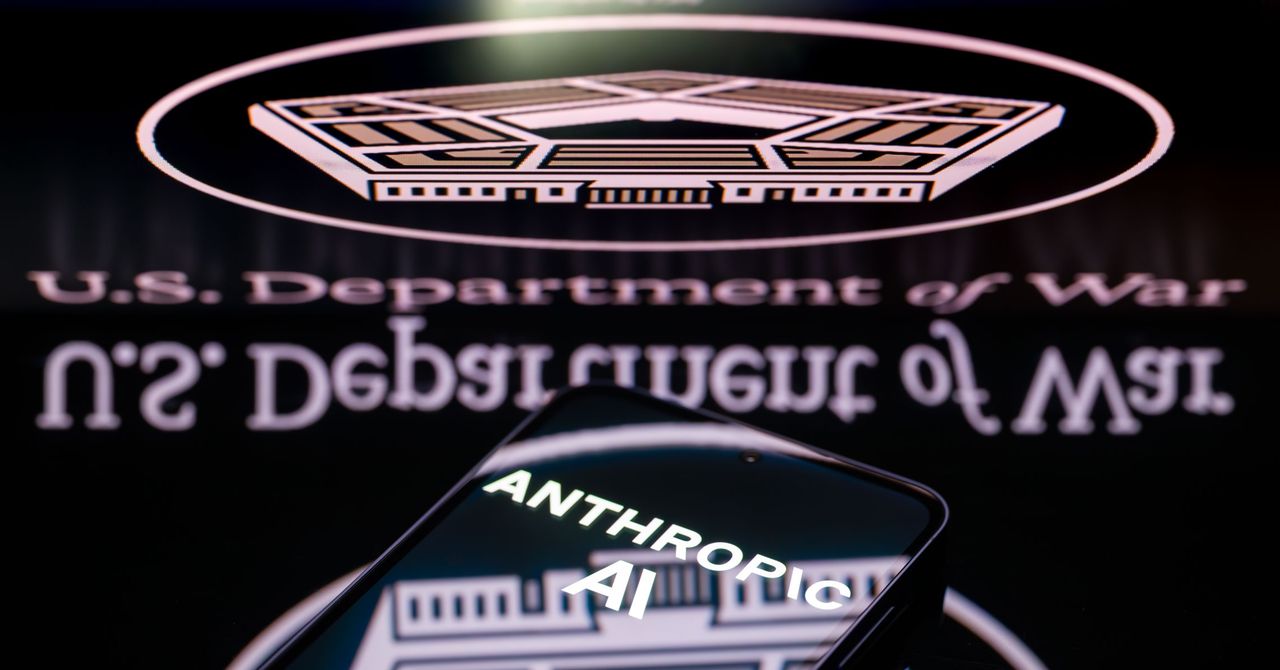

The United States Department ofJustice’s recent filing underscores a critical juncture in the geopolitics of advanced AI deployment, with profound implications for sovereign capital strategies and regional technological autonomy across the Middle East and North Africa (MENA). The litigation centers on the Pentagon’s designation of Anthropic as a supply-chain risk, a decision framed as necessary to mitigate potential security vulnerabilities within critical defense infrastructure. While the legal arguments hinge on national security imperatives and contractual authority, the core business impact—potentially billions in lost revenue for Anthropic—reveals the escalating risks inherent in AI integration within sensitive national security frameworks. For MENA sovereign investors and regional policymakers navigating similar security concerns, this case exemplifies the growing tension between technological innovation and geopolitical alignment, demanding rigorous due diligence and diversification strategies to avoid analogous vulnerabilities and ensure strategic autonomy in critical infrastructure procurement.
Beyond the immediate legal battle, the proceedings illuminate the shifting dynamics of venture capital and sovereign investment in AI, particularly as MENA states seek to cultivate domestic tech ecosystems and reduce reliance on dominant Western platforms. Anthropic’s claim of “legally insufficient” irreparable injury highlights the significant financial exposure emerging AI ventures face when entangled in geopolitical sanctions or regulatory overreach. MENA sovereign wealth funds and venture capital firms, increasingly active in AI and cybersecurity, must now rigorously assess the geopolitical risk profiles of potential partners and technologies, prioritizing projects offering demonstrable independence from jurisdictions with volatile regulatory environments. The Pentagon’s efforts to replace Anthropic with alternatives from Google, OpenAI, and xAI underscore a broader industry trend of consolidation and geopolitical segmentation, compelling MENA entities to accelerate investments in local and regional AI development to secure competitive advantages and mitigate supply-chain dependencies.
Ultimately, the outcome of this litigation and the Pentagon’s AI replacement strategy will significantly influence regional infrastructure decisions. If the government prevails, MENA defense and critical infrastructure projects may face increased scrutiny and potential exclusion of specific vendors deemed geopolitical risks, accelerating the adoption of AI alternatives. Conversely, a ruling in Anthropic’s favor could incentivize greater scrutiny of government contractual overreach and bolster arguments for equitable treatment in global supply chains. MENA policymakers and infrastructure planners must monitor these developments closely, leveraging them to advocate for clearer international standards and frameworks that balance security concerns with fair access, thereby fostering a more stable environment for regional AI infrastructure development and investment. The regional imperative is clear: proactively building indigenous technological capabilities is no longer optional, but essential for maintaining strategic leverage and economic sovereignty in an increasingly fragmented global tech landscape.”