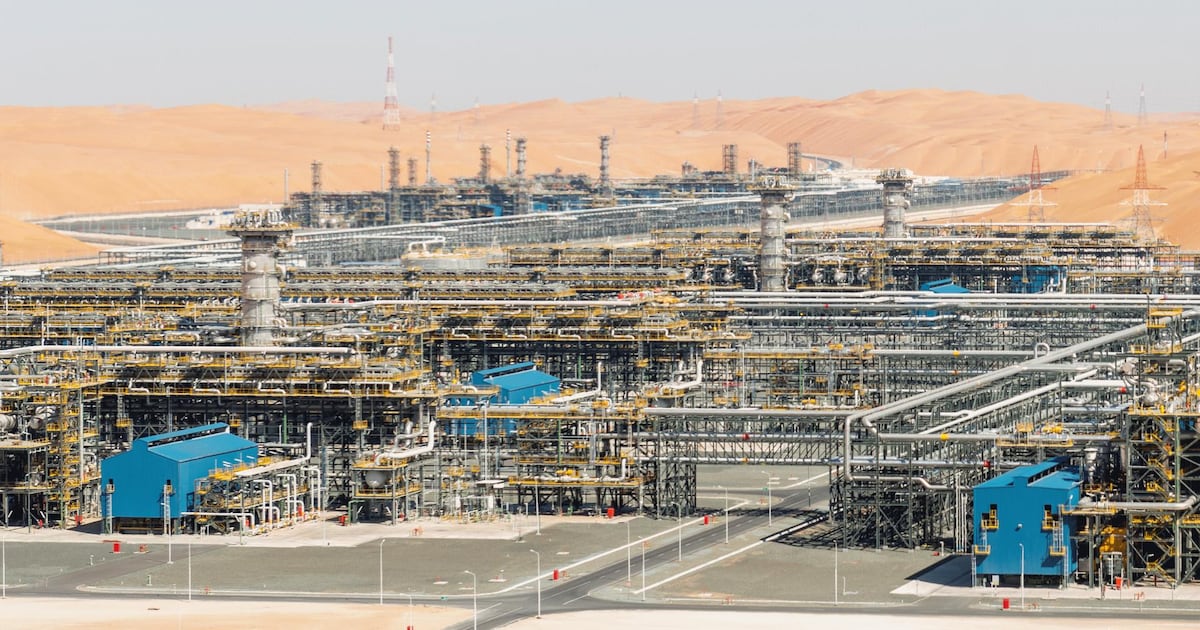

The drone attack targeting the Shah gas plant in Abu Dhabi represents a critical inflection point for the UAE’s energy infrastructure and sovereign capital deployment strategy, particularly as the facility processes approximately 20% of the UAE’s domestic gas supply. Adnoc Sour Gas, the joint venture between Adnoc (60%) and Occidental Petroleum (40%), operates the world’s largest ultra-sour gas facility – a technically complex operation that sweetens gas containing over 23% hydrogen sulphide. From a sovereign investment perspective, this incident underscores the ongoing vulnerabilities in critical energy infrastructure despite substantial capital injections into both cybersecurity and physical security measures across the UAE’s industrial base.
The strategic implications extend far beyond Abu Dhabi’s borders, as the facility produces roughly 5% of global granulated sulphur production while operating four of the world’s largest sulphur recovery units. This positions Adnoc among the top three global sulphur producers alongside Saudi Aramco and Gazprom – creating significant regional market concentration. For the venture capital ecosystem in the Middle East, particularly the technology-focused funds in Dubai and Abu Dhabi, the incident highlights the critical intersection between physical infrastructure security and the sophisticated sensing and monitoring technologies that venture-backed firms are developing for the energy sector. The regional venture capital community must now contend with heightened due diligence requirements around deeptech investments in infrastructure surveillance and autonomous monitoring systems.
The downstream supply chain ramifications will particularly impact Adnoc’s integrated business model through its 86% stake in Fertiglobe, the region’s largest fertiliser producer with 6.6 million tonnes per year of urea and ammonia capacity. The disruption arrives amid an already volatile global fertiliser market – compounded by the effective closure of the Strait of Hormuz, which previously transported 30-35% of global nitrogen-based fertilisers. For Gulf sovereign wealth vehicles and institutional investors with exposure to commodity prices and agricultural supply chains in MENA, this represents a material risk factor that will likely influence capital allocation decisions across the food security and energy transition sectors. The incident crystallizes the interconnected nature of regional security, sovereign investment strategy, and the venture capital ecosystem’s role in fortifying critical infrastructure against evolving threats.