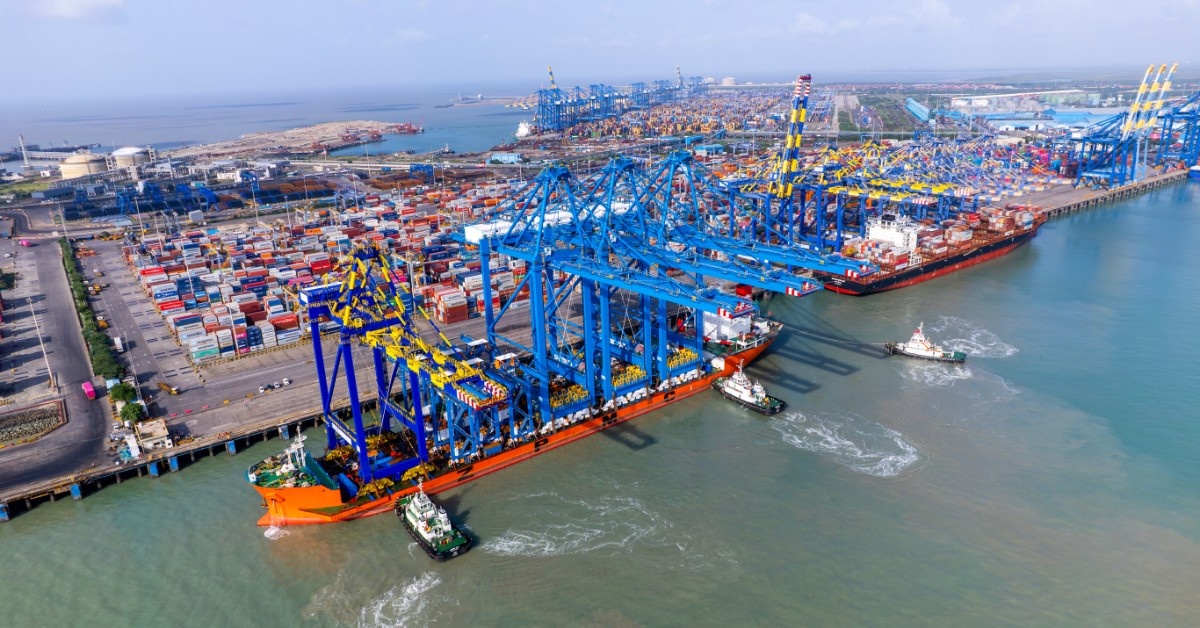

The robust performance of DP World’s Mundra International Container Terminal (MICT), registering a 13.6% throughput increase to nearly 1.5 million TEUs in calendar year 2025 and maintaining strong momentum into early 2026, carries significant implications for regional trade dynamics and investment flows impacting the Middle East and North Africa (MENA). While primarily serving India’s EXIM trade, Mundra’s strategic location and expanding infrastructure are increasingly relevant to broader supply chain considerations, particularly as businesses seek diversification away from traditional maritime hubs. The terminal’s enhanced connectivity, facilitated by a 6.57% rise in vessel calls and increased rail volumes, underscores the growing importance of multimodal logistics in mitigating geopolitical risks and optimizing transit times – a factor of increasing concern for MENA-based exporters and importers.
The sustained investment in infrastructure upgrades at Mundra, including the deployment of new quay cranes and electric rubber-tyred-gantry cranes (RTGs), highlights a broader trend of sovereign-backed capital driving port modernization across the Indian subcontinent. This aligns with similar initiatives observed in the UAE (e.g., DP World’s Jebel Ali Port) and Saudi Arabia (e.g., NEOM’s planned port infrastructure), where governments are leveraging strategic assets to attract foreign direct investment and position themselves as key nodes in global trade networks. The terminal’s direct links to regions including Southeast Asia, the Mediterranean, and East Africa create potential synergies for MENA businesses seeking to expand their reach into the Indian market and vice versa. Furthermore, the focus on sustainability, evidenced by the “Zero Waste to Landfill” certification and electrification of operations, reflects a growing demand for environmentally responsible logistics solutions, a factor increasingly influencing investment decisions in the region.
From a venture capital perspective, the success of Mundra signals opportunities for investment in related sectors such as logistics technology, supply chain management software, and green port technologies. While direct investment in DP World itself may be limited, the terminal’s growth trajectory creates a ripple effect, stimulating demand for ancillary services and fostering innovation within the broader Indian logistics ecosystem. This, in turn, could attract venture capital interest from both domestic and international investors, including those with a focus on emerging markets and sustainable infrastructure. The terminal’s social impact initiatives, such as the Pragati Scholarship Program, also demonstrate a growing recognition of the importance of corporate social responsibility, a factor that is gaining traction among ESG-focused investors.
Ultimately, the continued expansion of Mundra reinforces India’s position as a critical trade partner for the MENA region. The terminal’s role in facilitating efficient and sustainable trade flows will be crucial for supporting economic growth and diversification efforts in both regions. As geopolitical uncertainties persist and supply chains continue to evolve, the strategic importance of well-managed and technologically advanced ports like Mundra will only increase, making it a key area for monitoring and potential investment for financial institutions and policymakers across the MENA landscape.