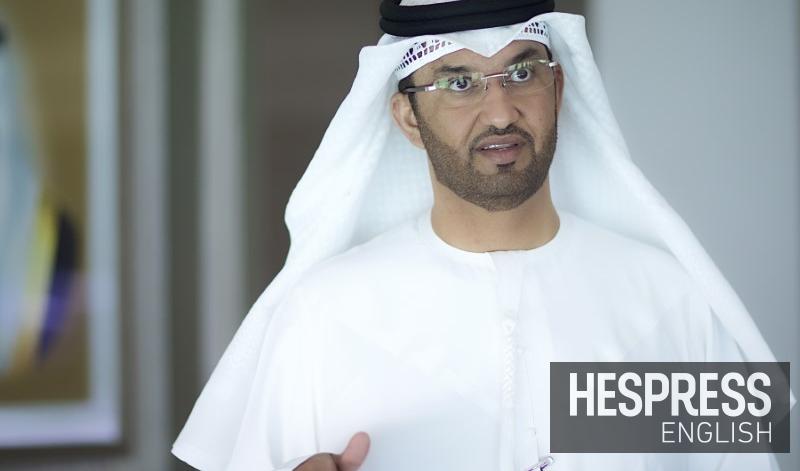

UAE Industry and Advanced Technology Minister Sultan Ahmed Al Jaber has crystallized the escalating risks of geopolitical instability to global energy security, condemning recent attacks on Gulf hydrocarbon infrastructure as “an act of global economic warfare” with borders-defying consequences. In a LinkedIn post, he underscored that strikes targeting civilian-operated energy facilities in the region—including ADNOC assets—directly undermine the stability of energy supplies that underpin global economic systems. These incidents, he argued, transcend regional concerns, exposing vulnerabilities in an interconnected system where energy flows are increasingly politicized and weaponized for strategic leverage.
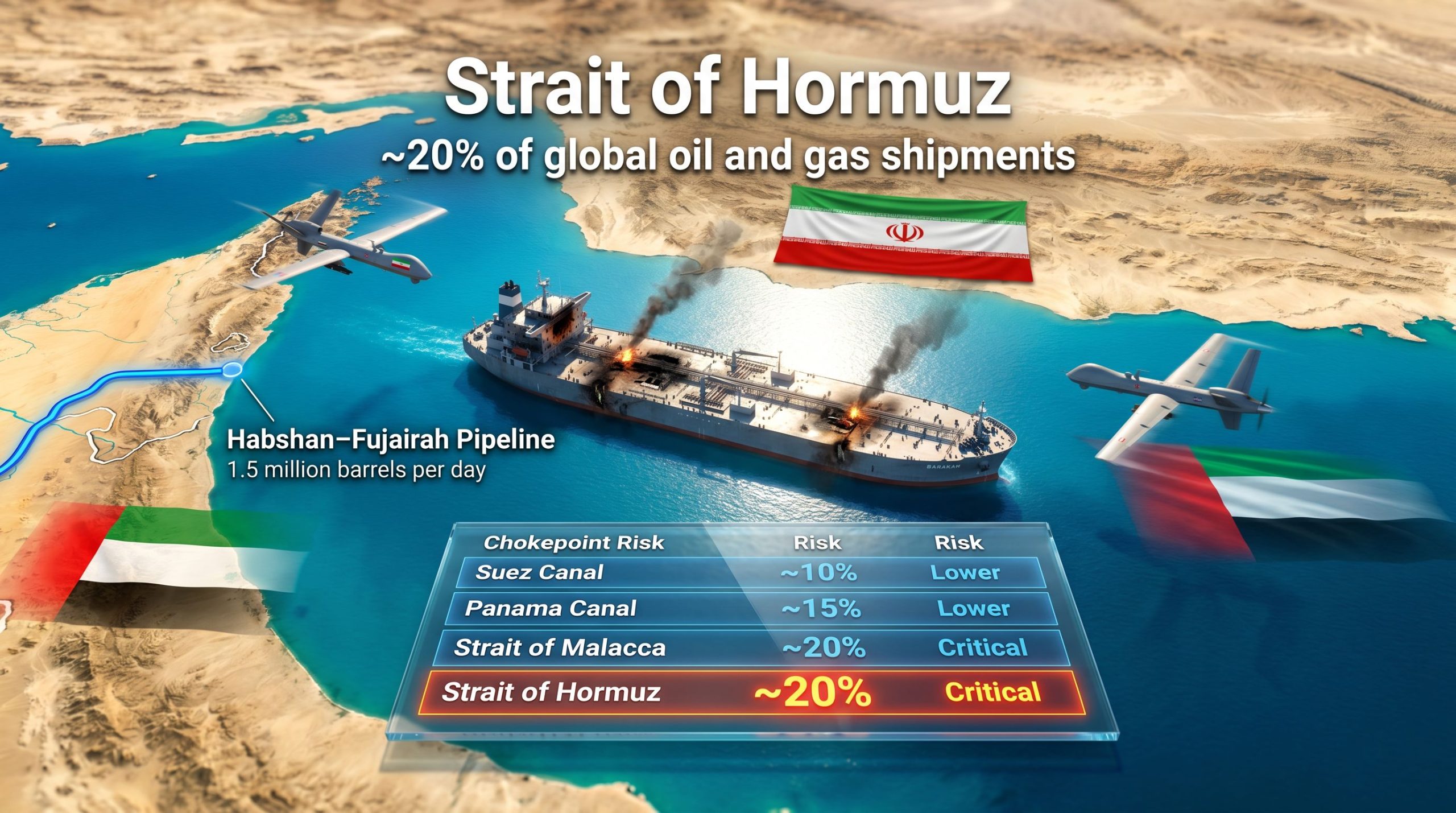
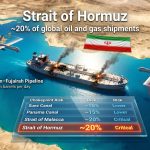
The business implications of such disruptions are already materializing, with Brent crude surpassing $100 a barrel amid fears of prolonged supply constraints. Al Jaber’s remarks highlighted how attacks on non-combatant infrastructure amplify risks for sovereign wealth funds and institutional investors tied to energy markets, compelling governments to intervene and recalibrate fiscal and monetary policies to mitigate inflationary shocks. The vulnerability of the Strait of Hormuz—a chokepoint handling approximately 20% of global oil and LNG trade—has intensified concerns, as even temporary closures could precipitate cascading price volatility, erode investor confidence in commodity-dependent economies, and strain fiscal buffers in the MENA region.
Regionally, the conflict has intensified pressure on infrastructure resilience and strategic asset management, particularly in energy and maritime logistics. The UAE’s ability to rapidly restore output at sites like the Shah gas field underscores its pivot to modernized, diversified energy production, but the broader arc of terrorism against civilian facilities risks deterring long-term private and sovereign investment in critical infrastructure. Al Jaber’s call for international intervention to halt attacks on non-military targets gains urgency as venture capital activity in MENA faces headwinds from geopolitical volatility, redirecting capital flows toward sectors perceived as less exposed to conflict spillovers. The confluence of these dynamics signals a recalibration of risk appetites for regional capital markets, with sovereign investment strategies likely shifting toward defensive resilience-building to counter near-term uncertainties.