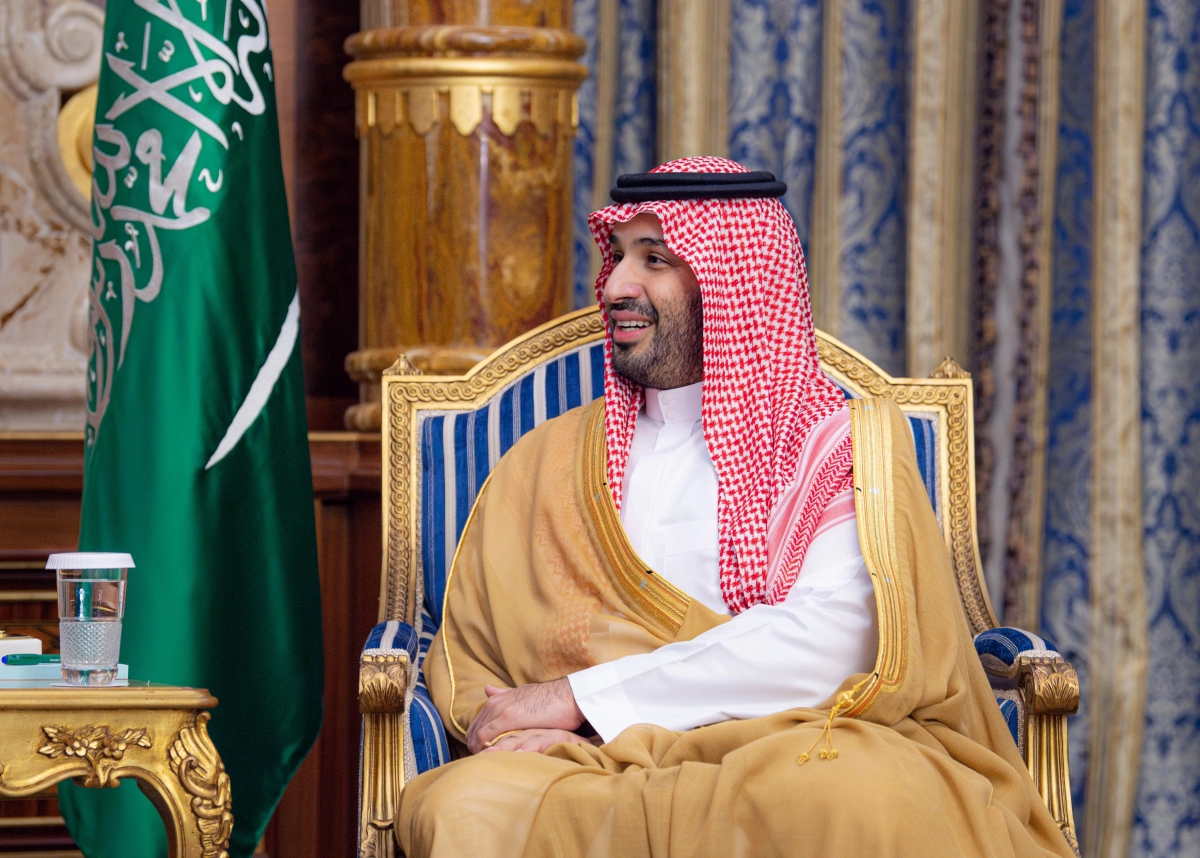

Saudi Arabia’s ambitious Vision 2030 transformation, initially predicated on rapid global expansion through strategic investments in sport and entertainment, is undergoing a significant and arguably necessary recalibration. The initial strategy, fueled by substantial sovereign wealth fund (SWF) investment through the Public Investment Fund (PIF), relied heavily on a ‘soft power’ approach – leveraging major sporting events like LIV Golf, the Saudi Pro League, and Formula 1 to project an image of modernization and cultural openness. However, a recently unveiled five-year financial plan signals a decisive shift away from this expansive, largely unfunded model towards a more targeted and financially disciplined strategy, prioritizing technology, energy, and tourism.
The initial allure of “free lunches” – the perceived cost-free acquisition of global sporting prestige – has proven illusory. Billions have been deployed across a constellation of ventures, including substantial investments in LIV Golf, which now faces a protracted period of cost-cutting and potential asset sales, with valuations of up to $300 million per club representing the only viable exit strategy. Similarly, the Saudi Pro League, despite attracting high-profile, albeit aging, players, has failed to achieve the projected level of global engagement and revenue generation. The Kingdom’s foray into esports, while demonstrating an understanding of the sector’s potential, is also subject to scrutiny, with PIF’s growing control necessitating a focus on end-to-end ownership and profitability, mirroring the success of TKO Group Holdings, a publicly listed company that pioneered this strategy in mixed martial arts.
This strategic pivot reflects a broader reassessment of the geopolitical landscape and a recognition of the limitations of relying solely on sporting events for international influence. The West’s diminished appetite for moralistic critiques, coupled with a renewed focus on tangible geopolitical interests – particularly oil and AI – has prompted a pragmatic shift in Saudi Arabia’s approach. The Kingdom’s continued investment in Formula 1, while strategically important for projecting a narrative of luxury and technological advancement, is now viewed primarily as a commercial asset rather than a cornerstone of its broader transformation. The scale of previous investments, particularly in less commercially viable ventures like tennis and darts, is now being subjected to rigorous cost-benefit analysis, with a clear indication that many initiatives will be scaled back or abandoned entirely.
The implications for the broader Middle East and North Africa region are considerable. Saudi Arabia’s experience underscores the inherent risks associated with relying on large-scale, externally-driven projects without a robust domestic economic foundation. Furthermore, the shift towards prioritizing technology and energy reflects a broader regional trend, driven by the need for diversification and sustainable growth. The Kingdom’s pursuit of end-to-end ownership in strategic sectors, mirroring the model pioneered by TKO, could incentivize similar consolidation strategies across the region, particularly in sports and entertainment, while simultaneously highlighting the importance of demonstrable returns on investment – a lesson that other sovereign wealth funds and regional governments are now acutely aware of.