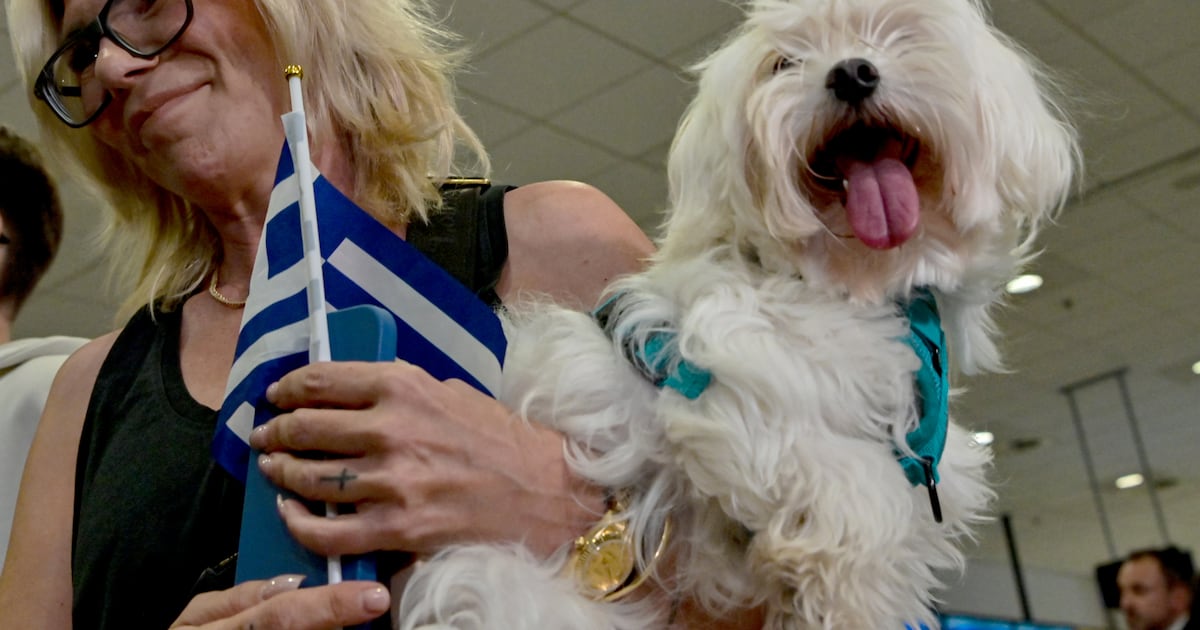

The recent repatriation of 101 travelers and 45 companion animals from the UAE to Greece via a specially arranged “Operation Ark” flight underscores a growing trend within the Middle East and North Africa – the recognition of pets as integral family members, with significant implications for sovereign capital allocation, venture capital investment, and regional infrastructure development. The initiative, spearheaded by Greek authorities in response to citizen concerns regarding pet travel restrictions, highlights a shift away from traditional, purely logistical approaches to citizen welfare, reflecting a broader societal re-evaluation of familial bonds. This event, while seemingly localized, represents a nascent but potentially transformative change in regional attitudes towards animal welfare and the prioritization of citizen needs, particularly amongst expatriate communities.
The logistical complexities involved – securing dedicated air transport, navigating existing aviation regulations, and coordinating with both the UAE and Greek authorities – demonstrate a burgeoning need for enhanced regional infrastructure. Beyond the immediate success of the flights, the event has catalyzed a demand for formalized protocols for pet transport across the MENA region. This presents a significant opportunity for venture capital investment in specialized logistics firms, pet-friendly travel technology, and potentially even the development of dedicated animal transport hubs within key airports. Sovereign wealth funds, increasingly focused on diversification beyond traditional energy investments, could play a crucial role in funding these initiatives, recognizing the potential for long-term economic benefits associated with a more pet-friendly and citizen-centric regional environment.
Furthermore, the “Operation Ark” demonstrates a growing awareness of the economic impact of citizen distress. The emotional and logistical burden of being separated from family members, particularly beloved pets, can significantly impact productivity and overall well-being. This realization is likely to drive increased investment in mental health services and support networks for expatriate communities, alongside the infrastructure needed to facilitate safe and efficient travel. The demand for specialized pet care services – including veterinary support, boarding facilities, and pet-sitting – is also poised for substantial growth, creating new market opportunities for both local and international businesses.
Looking ahead, the success of this operation signals a potential paradigm shift in regional policy. Governments across the MENA region will increasingly be compelled to address the needs of their citizens and their pets, not merely as logistical considerations, but as fundamental aspects of social welfare. This will necessitate a coordinated approach involving regulatory bodies, aviation authorities, and private sector stakeholders, ultimately shaping a more inclusive and pet-friendly environment – a development with far-reaching implications for regional economic growth, social stability, and the evolving definition of family within the Middle East and North Africa.