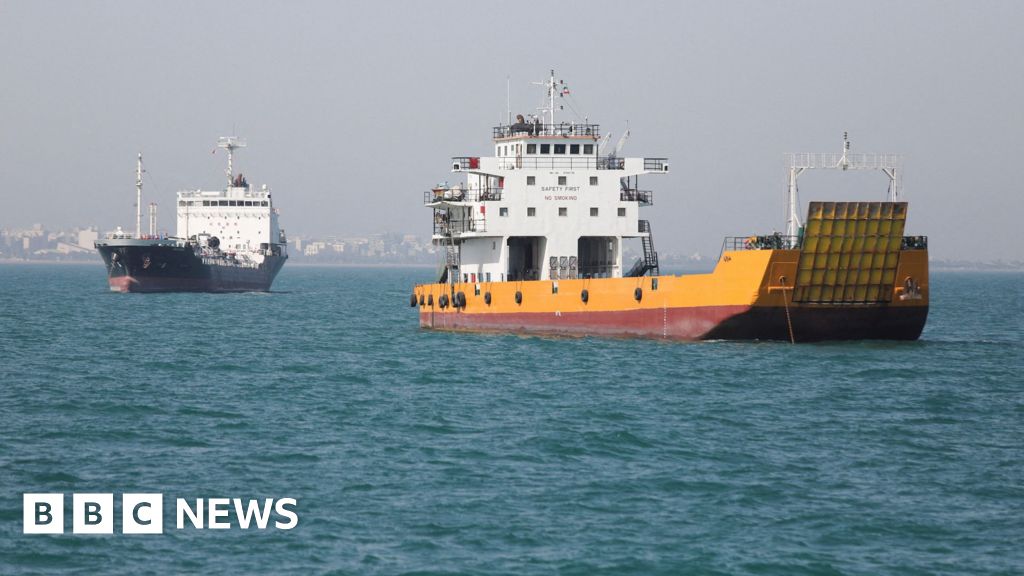

Therecent spike in hostile activity across the Gulf—marked by Saudi Arabia’s interception of more than 50 drones, Kuwait’s activation of air‑defence systems against missile fire, and Iran’s signalling that it will permit Japanese vessels to transit the Strait of Hormuz—has introduced a fresh layer of uncertainty to MENA’s macro‑economic environment. While the immediate human toll remains contained, the escalation has already begun to filter into market pricing, with oil and gas benchmarks edging lower after a week of sharp gains, reflecting traders’ recalibration of supply‑risk premiums.
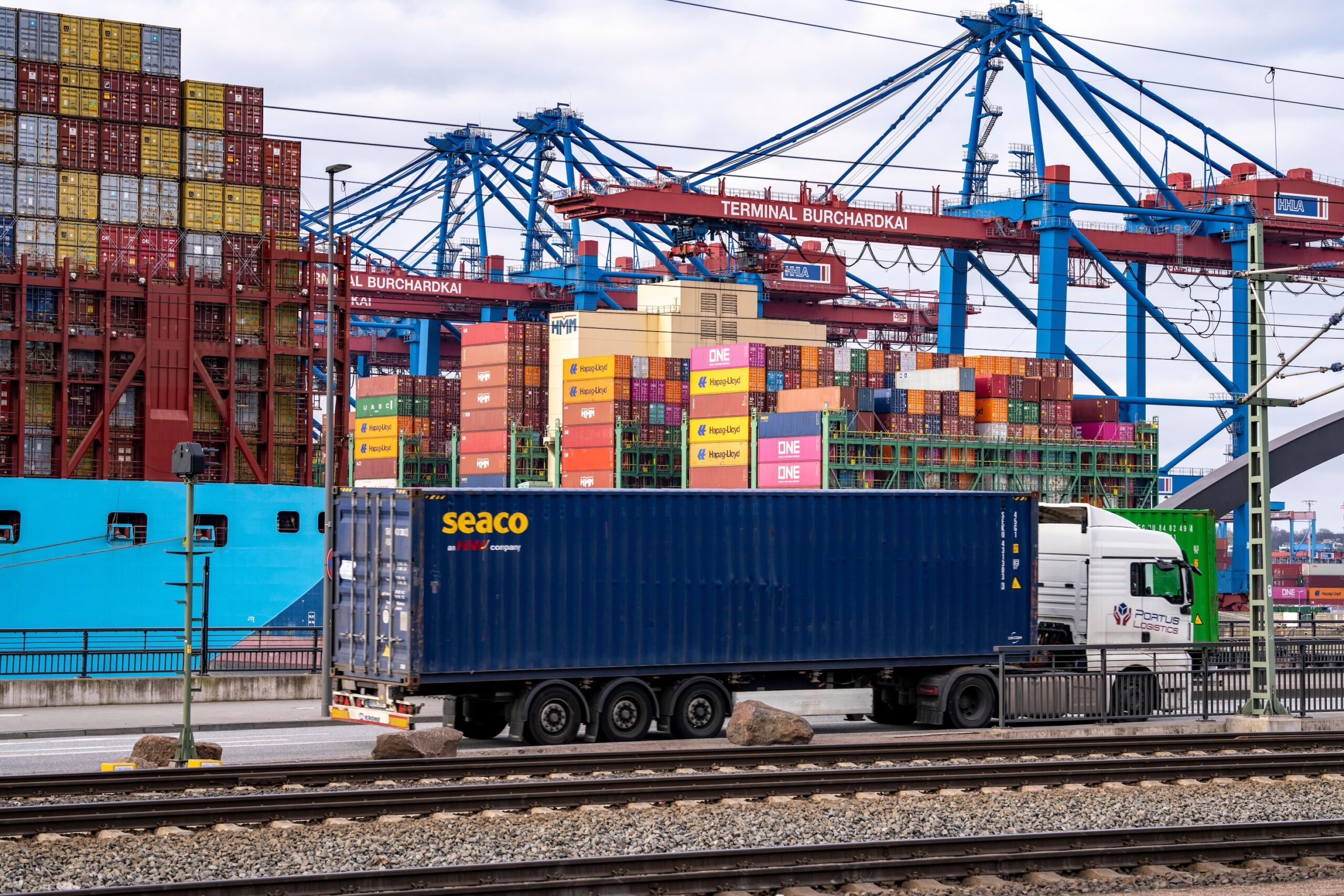
From a sovereign‑capital perspective, Gulf states are likely to accelerate allocations toward defence and maritime security, drawing on existing sovereign‑wealth fund reserves and earmarking additional budget lines for advanced intercept systems, naval patrols, and hardened port infrastructure. These fiscal shifts may temporarily crowd out discretionary spending on non‑strategic projects, yet they also reinforce the long‑term imperative for resilient logistics hubs—particularly along the Red Sea and Arabian Peninsula corridors—that underpin the region’s ambition to become a global trade nexus. Insurance syndicates and reinsurers are already revising war‑risk premiums for vessels transiting Hormuz, which could raise shipping costs and prompt rerouting decisions that affect feeder‑port volumes in Jeddah, Duqm, and Sohar.
The venture‑capital and private‑equity landscape is responding with a dual thrust: heightened interest in defence‑tech, cyber‑security, and AI‑driven threat‑detection startups, and a cautious reassessment of exposure to sectors perceived as vulnerable to supply‑chain disruption, such as luxury retail and tourism. Simultaneously, the modest dip in hydrocarbon prices creates a window for accelerated investment in renewable‑energy and hydrogen projects, aligning with sovereign‑wealth‑fund diversification goals. Infrastructure programmes such as NEOM, the Red Sea Project, and Qatar’s Lusail City will likely undergo heightened security‑by‑design reviews, potentially extending timelines but also unlocking financing avenues tied to resilience‑linked bonds and green‑sukuk instruments. In sum, the current security flux is reshaping capital flows across the MENA region, reinforcing the strategic pivot toward safeguarding critical arteries while preserving the broader agenda of economic transformation.