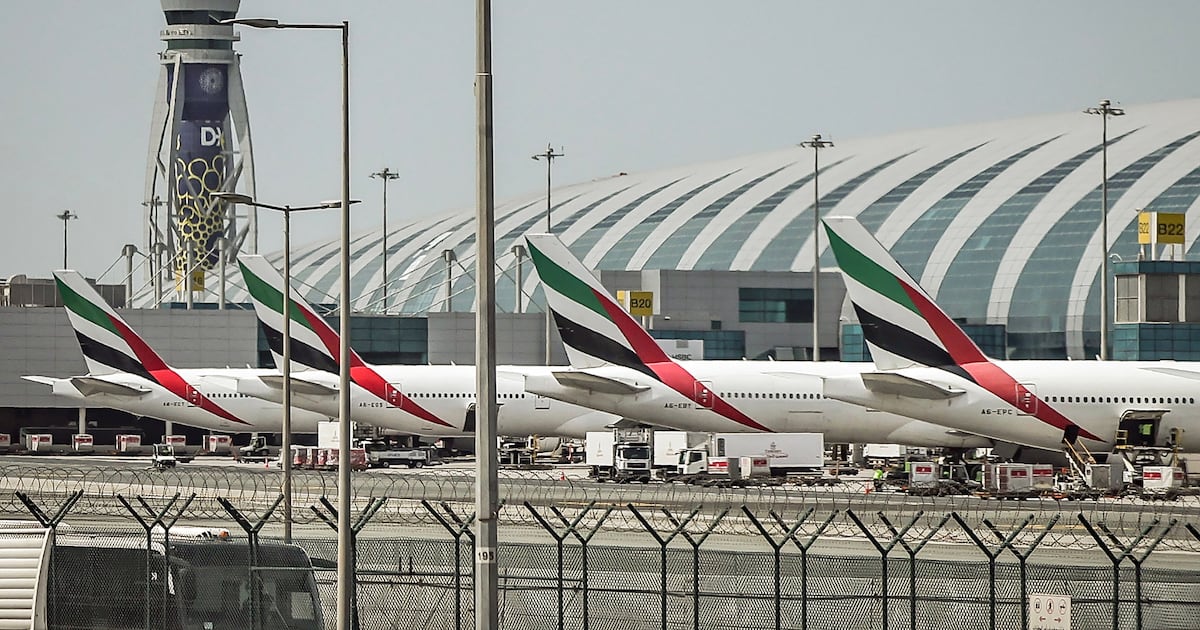

The escalating airfare crisis in the Gulf region, driven by Middle East conflict-driven airspace restrictions and fuel price volatility, has emerged as a litmus test for business resilience across the Middle East-North Africa (MENA) landscape. Airlines like IndiGo and Air India have flagged unprecedented jet fuel cost hikes—soaring 85% since the war began—while UAE carriers such as Emirates and flydubai are slashing flight frequencies amid shrinking profit margins. The confluence of war risk insurance premiums, elongated flight routes, and reduced capacity has catalyzed a 50-100% fare surge on key routes like Abu Dhabi-Delhi, eroding consumer purchasing power and threatening regional aviation hubs’ profitability. For sovereign wealth funds and institutional investors, the sector’s acute liquidity pressures and capital flight risks underscore the fragility of MENA’s tourism-dependent economies, which derive 15-20% of GDP from international travel. This dislocation also serves as a barometer for sovereign capital allocation priorities, as states like the UAE may leverage strategic reserves to bolster national carriers or subsidize alternative logistics networks amid persistent airspace bottlenecks.
The financial strain on airlines has catalyzed a sovereign wealth fund-driven reassessment of regional connectivity strategies. With Emirates alone redirecting 60% of its partners and overhead to accommodate rerouted Gulf-India routes, the long-term viability of hub-and-spoke models hinges on state-backed capital infusion or public-private partnerships to modernize legacy infrastructure. Analysts highlight a critical juncture: while current disruptions add $95.3 million weekly to airline operating costs, a prolonged conflict could trigger a $10bn+ systemic collapse of carrier debt, airport modernization programs, and cross-border trade networks. This scenario reverberates beyond aviation, destabilizing adjacent sectors—from Real-Estate Investment Trusts (REITs) reliant on travel inflows to fintech startups dependent on a stable expatriate workforce—demanding immediate sovereign guarantee mechanisms to preserve regional economic cohesion.
Longer haul flights and closed air corridors are exposing systemic weaknesses in MENA’s aviation logistics infrastructure, which had relied on Gulf hubs’ hyper-connectivity for nearly two decades. Tracking data reveals rerouted Dubai-Karachi flights now adding 12 hours to transit times, eroding competitive advantages in time-sensitive sectors like perishable goods transportation. Concurrently, the 40% fuel cost share inflating airline operating budgets is pressuring legacy carriers to pivot toward regional ventures, with speculation that sovereign funds may acquire stakes in legacy airlines or SAF production facilities to hedge energytransition risks. This inflection point could catalyze venture capital inflows into alternative infrastructure—drone logistics, AI-driven route optimization—and force governments to reevaluate defense-linked aerospace R&D investments, potentially diverting capital from deep-tech innovation to near-term aviation resilience measures.