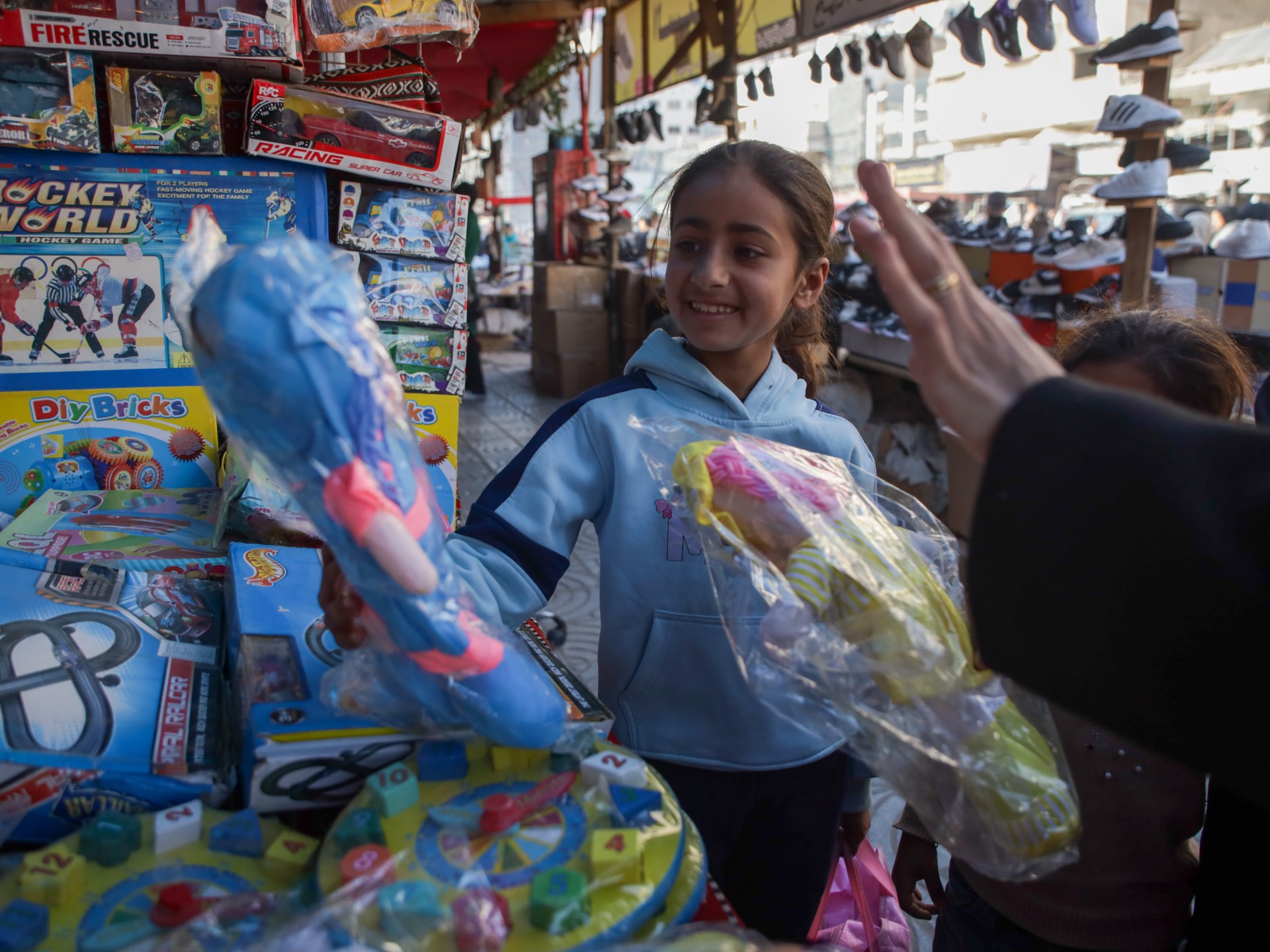

The protracted conflict in Gaza has triggered a severe economic crisis, profoundly impacting the regional flow of goods and highlighting the vulnerabilities of intra-MENA trade. A critical consequence is the acute scarcity and soaring prices of non-essential commodities, exemplified by the dramatic increase in toy costs leading up to Eid al-Fitr. This situation underscores the delicate balance between humanitarian needs and the broader economic well-being of the region, with substantial implications for sovereign capital allocation, venture capital investments, and regional infrastructure development.
Israeli restrictions on commercial crossings into Gaza, particularly the closure of the Karem Abu Salem (Kerem Shalom) crossing, have effectively curtailed the supply chain for recreational goods. While not formally prohibited, administrative and security measures, coupled with a prioritization of humanitarian aid, have rendered the regular import of items like toys exceedingly difficult. This bottleneck has not only inflated prices – with some vendors reporting increases of over 300% – but has also fostered informal, often costly, smuggling networks. The business impact is stark; established toy retailers are struggling to maintain operations, shifting from pre-war revenue streams to limited bulk sales among traders, hindering any potential for market recovery. Sovereign wealth funds and regional development banks will need to consider the implications of such disruptions on economic stability and social cohesion within the broader MENA context.
The crisis presents a significant challenge to venture capital ecosystems in the region, particularly those focused on consumer goods and retail. The inability to import affordable goods directly impacts consumer spending power and creates uncertainty for businesses operating in Gaza and surrounding areas. Moreover, the infrastructure limitations inherent in the conflict – damaged ports and transportation networks – further complicate supply chain logistics and investment decisions. The near-total absence of new toy inventory highlights a broader trend of economic paralysis, potentially discouraging foreign direct investment and hindering the development of a robust regional consumer market vital for long-term sustainable growth. Addressing these challenges will require a coordinated regional effort focused on easing trade restrictions and rebuilding essential infrastructure.
The situation in Gaza serves as a stark illustration of the interconnectedness of regional economies and the vulnerability of non-essential trade to geopolitical events. The crisis underscores the imperative for MENA nations to diversify their supply chains, invest in strengthening regional logistics infrastructure, and prioritize diplomatic solutions to alleviate trade barriers. Furthermore, the substantial human cost – the deprivation of basic joys like toys for children – necessitates a long-term perspective on economic recovery and development, requiring strategic investments in social programs and economic empowerment initiatives that foster resilience and opportunity within the affected communities. The ongoing challenges in Gaza demand a reassessment of regional trade policies and a renewed focus on building a more stable and prosperous future for the entire MENA region.