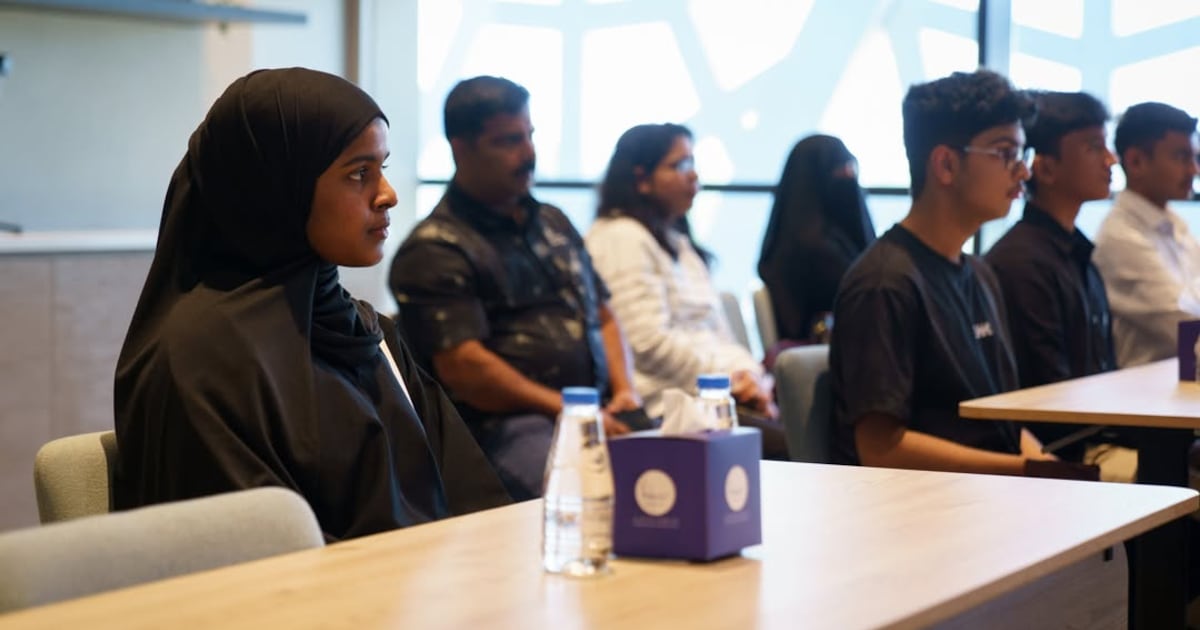

The Middle East’s chronic water scarcity presents a formidable challenge, exacerbated by the accelerating impacts of climate change, with projections indicating a significant decline in per capita availability by 2030. Against this backdrop, the emergence of innovative startups like Manhat in the UAE represents a critical, albeit nascent, shift towards localized and technologically-driven solutions. Manhat’s focus on cultivating young water innovators through a dedicated program – encompassing sustainable agriculture, water recycling, and climate-conscious design – signals a strategic investment in future talent and a recognition of the need for a multi-faceted approach to resource management.
The company’s core technology, initially demonstrated with a solar-powered device capable of extracting potable water from the desert air – a development pioneered by Khalifa University researchers – highlights a tangible pathway towards reducing reliance on traditional, energy-intensive desalination methods. This represents a significant business opportunity, particularly as evidenced by the recent announcement of A1RWATER’s planned Dubai facility, leveraging atmospheric water generation and sustainable packaging. However, the success of these ventures hinges not only on technological advancement but also on securing sovereign capital and navigating the complex regulatory landscape within the region, a crucial factor for scaling these solutions beyond pilot projects.
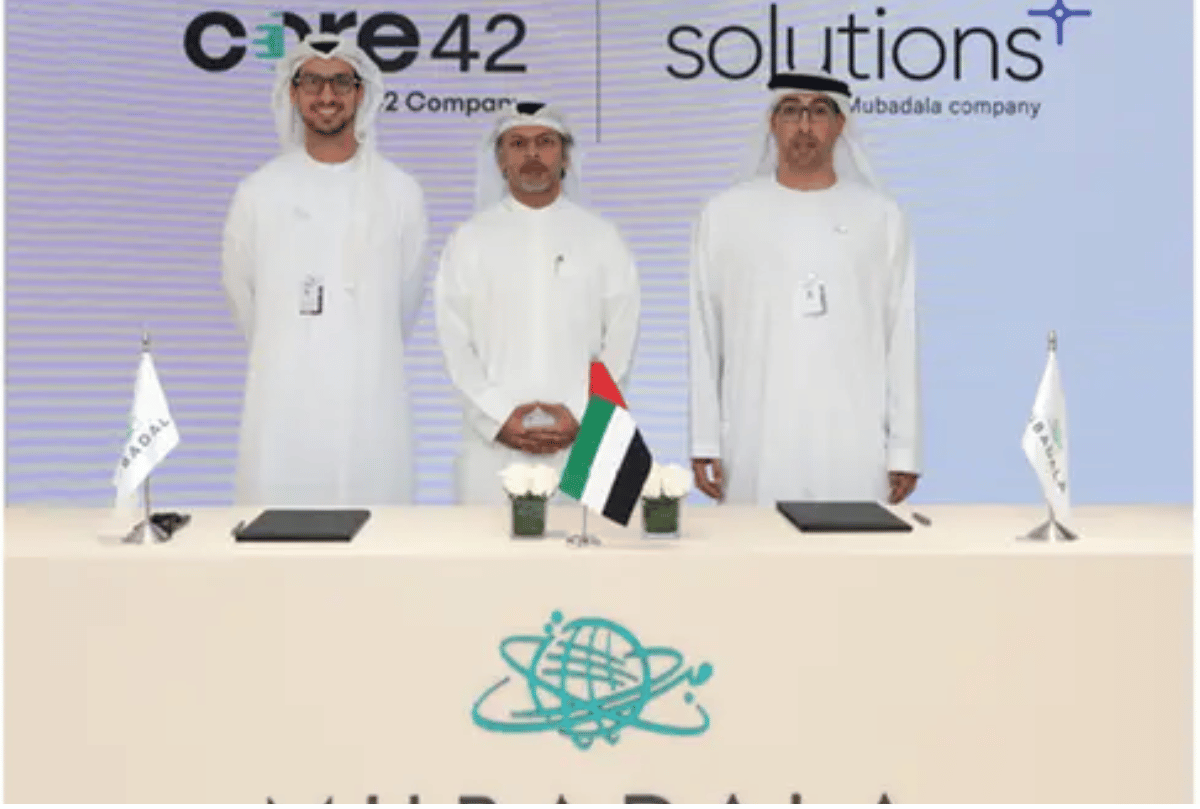
Sovereign wealth funds and government-backed investment arms, such as Mubadala and ADQ, are increasingly prioritizing investments in climate tech and water security. The UAE’s commitment to COP28 and its broader decarbonization agenda creates a favorable environment for these types of ventures, yet competition for funding is intensifying. Furthermore, the integration of these technologies into broader infrastructure projects – including floating farms designed to mitigate the impacts of rising sea levels – requires substantial investment in regional logistics and supply chains. The success of Manhat’s program underscores the importance of fostering collaboration between academia, private enterprise, and government to translate research into commercially viable solutions.
Ultimately, the long-term viability of these innovations depends on a sustained commitment to research and development, coupled with supportive policy frameworks. The UAE’s ambition to become a global hub for climate technology necessitates not just technological breakthroughs, but also the establishment of robust venture capital ecosystems and a regulatory environment that encourages innovation while ensuring responsible resource management. The young water innovators nurtured by programs like Manhat’s represent a vital component of this strategy, poised to drive the next generation of sustainable solutions for a region facing unprecedented water challenges.