
The Middle East and North Africa are facing a critical juncture as escalating hostilities between the U.S., Israel, and Iran threaten to destabilize regional economic pillars. The U.S. president’s ultimatum to Iran to reopen the Strait of Hormuz within 48 hours, coupled with Israeli strikes on Iranian soil and retaliatory regional attacks, has introduced severe volatility into key sectors, including energy, defense, and infrastructure logistics. Analysts caution that prolonged disruptions in the Strait—a global chokepoint for 20 million barrels of daily crude oil and refined products—could trigger short-term price spikes exceeding $120 a barrel, exacerbating inflationary pressures worldwide. Gulf states, already grappling with production constraints, face heightened operational risks in offshore facilities, as demonstrated by Saudi Arabia’s interception of 60 Iranian drones targeting its Eastern oil hubs. Meanwhile, heightened defense spending by MedBio, UAE, and Qatar is diverting capital from civilian sectors, with Riyadh and Abu Dhabi prioritizing military budget increases of 20-30% over next fiscal years to secure oil infrastructure and counter asymmetric threats.
The sovereign capital landscape is undergoing a seismic shift as conflict-driven uncertainty amplifies debt vulnerabilities and investment selectivity. Iran’s credit rating already teeters on the brink, with foreign lenders curtailing credit lines amid fears of asset seizures or sanctions escalation. Analysts estimate Iran requires $40 billion annually to service its existing foreign debt, yet its ability to secure new financing has collapsed due to geopolitical isolation. Conversely, GCC sovereign wealth funds are accelerating diversification into non-energy tech and healthcare infrastructure to mitigate pandemic-era losses, yet Middle East tech startups are currently sidelined due to capital reallocation toward “war resilience” measures. Regional venture capital inflows have stagnated at $1.2 billion year-to-date—a stark decline from 2025’s $3.4 billion—exacerbating fears of a “brain drain” as talent migrates to more stable emerging markets. Notably, the Gulf’s nascent innovation hubs, such as Dubai’s Smart Dubai initiative, now face delays as 40% of planned tech projects pivot toward AI-driven defense solutions following Iran’s display of counter-digital warfare capabilities during drone strikes.
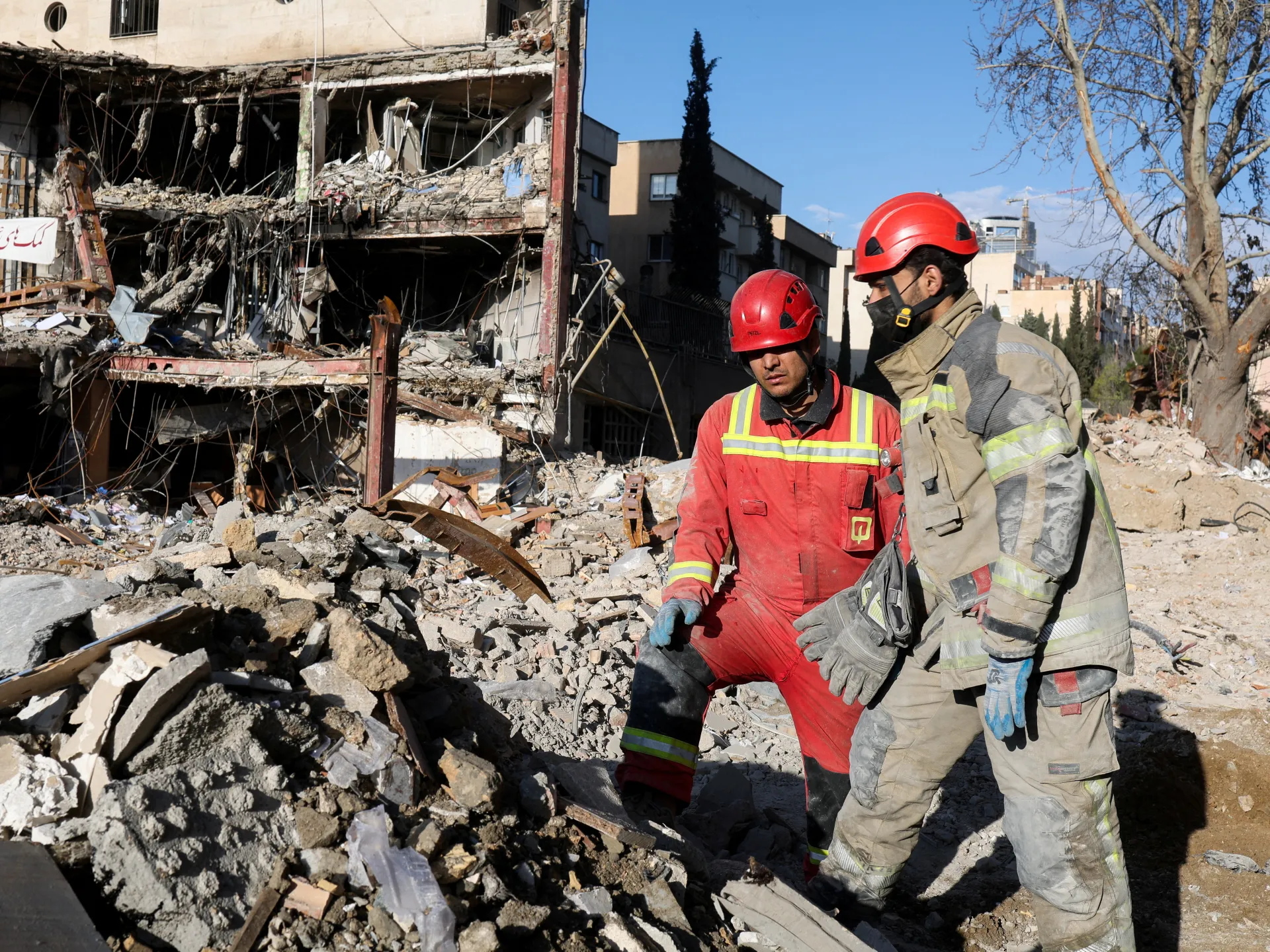
Regional infrastructure bottlenecks are being exacerbated by dual-use technologies and sanctions-compliant modernization of critical assets. Tehran’s power plants, nuclear facilities, and oil terminals have become military targets, with U.S.-Israel bombings reported at Natanz and Bushehr nuclear sites. Analysts project $10 billion in repair costs for Iran’s energy grid alone, with prolonged outages risking cascading failures in adjacent sectors like healthcare and agriculture. In the Strait of Hormuz, the establishment of sanctions-compliant shipping lanes requires unprecedented collaboration among GCC oil exporters and Western allies, complicating logistics coordination. Meanwhile, Lebanon’s economic collapse enters its fifth year amid proxy warfare impacts, with Hezbollah’s cross-border skirmishes diverting 15% of its annual GDP toward defense procurement. The crisis underscores a widening rift between affluent Gulf diversifiers and fragile Levantine economies, where sovereign borrowing costs have surged past 20% in many jurisdictions, stifling reconstruction efforts post-conflict.