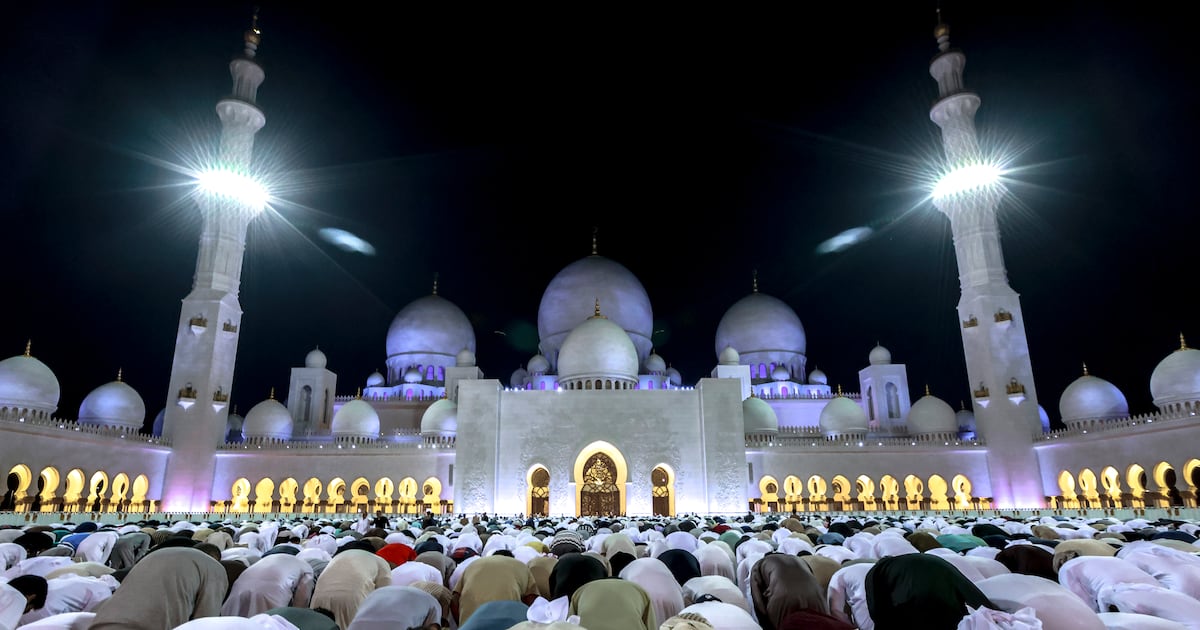

The latest visitor statisticsfrom the Sheikh Zayed Grand Mosque and affiliated sites reflect a deliberate amplification of the UAE’s soft‑power assets by Abu Dhabi’s sovereign wealth apparatus. With 1.7 million worshippers and iftar guests recorded during Ramadan and Eid, and a cumulative 3.23 million entries across the mosque network, the state‑backed tourism engine is demonstrably contributing to non‑oil GDP growth, providing a measurable uplift for hospitality, retail and ancillary service providers.
From a capital allocation perspective, these tourism flows translate into tangible returns on sovereign investment, as evidenced by a 4 % year‑on‑year increase in total footfall, the highest on record. The earnings multiplier effect is evident in accelerated private‑sector participation, with hospitality brands and local food‑service chains reporting double‑digit revenue growth in the first quarter of 2025, thereby attracting follow‑on venture capital and strategic corporate partnerships focused on experience‑economy platforms.
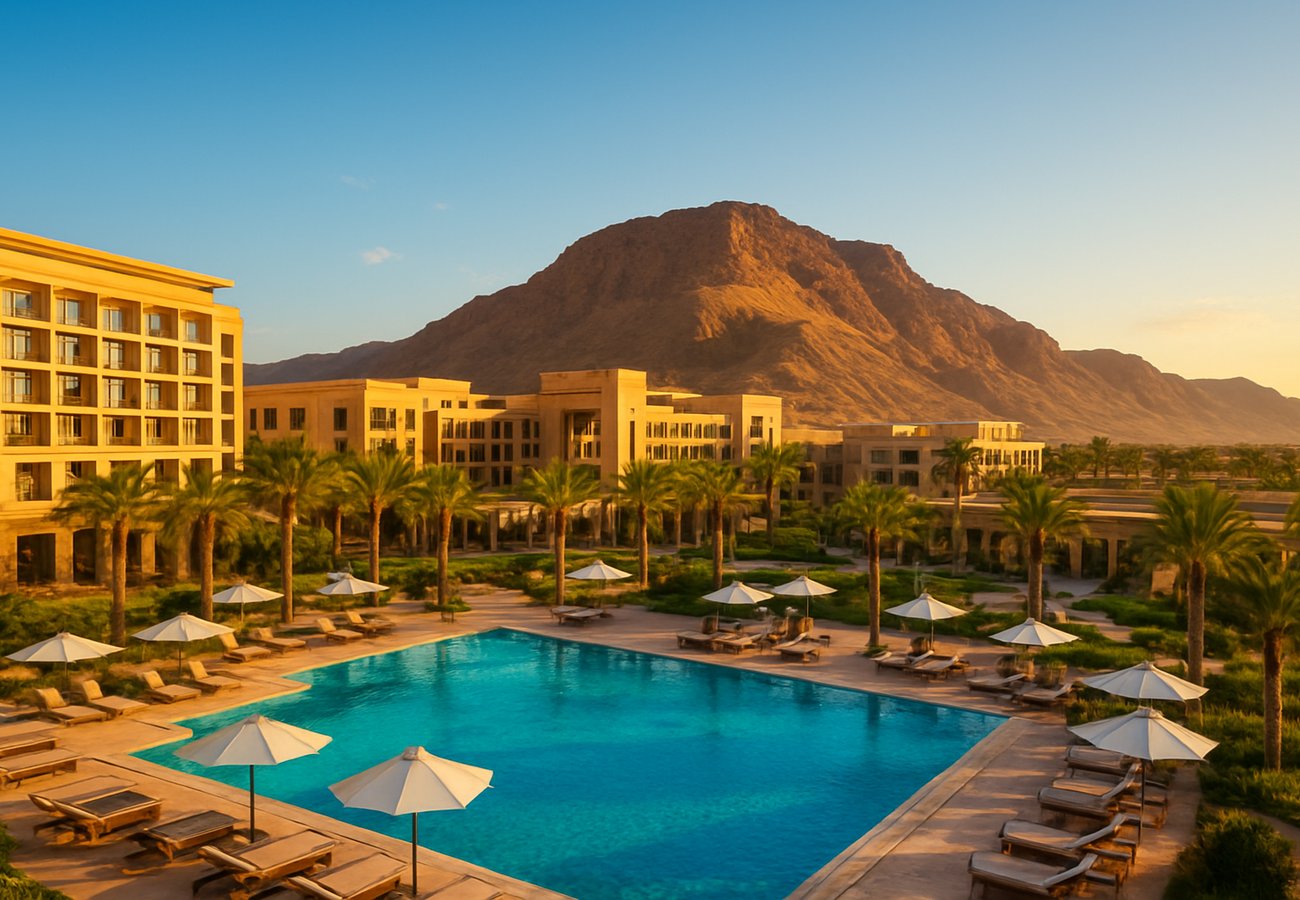
Infrastructure-wise, the surge in congregational attendance underscores the necessity for continued capital expenditure on supporting utilities, smart‑city logistics and high‑capacity transport corridors linking the capital to peripheral sites such as Al Ain and Fujairah. This expansion aligns with the UAE’s Vision 2030 agenda, positioning the nation as a regional hub for cultural logistics that can absorb both sovereign‑funded projects and private‑equity financing, particularly in modular construction, renewable energy and AI‑enabled crowd‑management solutions.
Looking ahead, the intersection of high‑visibility religious tourism and diversifying economic pillars creates a fertile ground for venture‑backed innovations—ranging from digital visitor‑experience apps to logistics‑optimization startups that can be integrated into sovereign‑backed tourism ecosystems—thereby reinforcing the UAE’s strategic objective of reducing reliance on hydrocarbons while deepening its sovereign capital footprint across the MENA region.