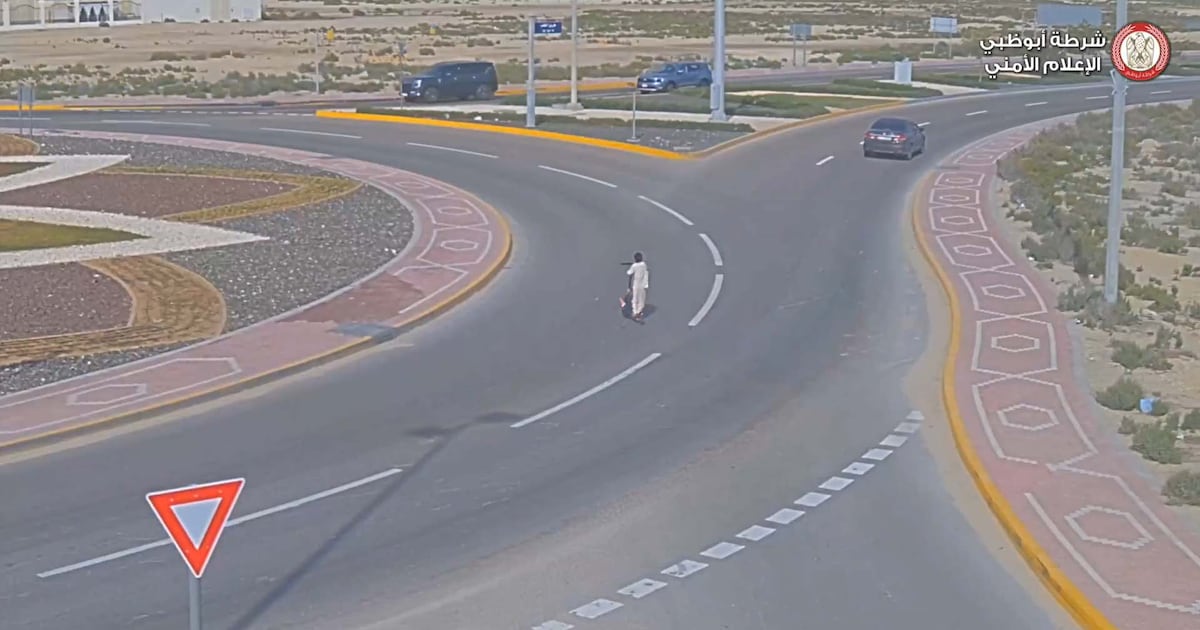

The proliferation of e-scooters in the MENA region, particularly in market leaders like Abu Dhabi and Dubai, underscores a critical intersection of urban mobility challenges and regulatory evolution with profound implications for regional business ecosystems and infrastructure paradigms. The safety concerns highlighted by authorities reflect an unmet demand for structured mobility solutions, which, if left unaddressed, could deter private-sector investment in smart city technologies and deter sovereign capital toward infrastructure modernization. Businesses reliant on integrated urban transport systems—ranging from logistics to tourism—face operational risks due to fragmented e-scooter regulations, which create inconsistent safety standards and liability frameworks. Conversely, well-designed regulatory frameworks could catalyze public-private partnerships, fostering a standardized mobility-as-a-service model that attracts venture capital focused on localized innovations, such as safe-for-deduction connectivity platforms or AI-driven traffic management systems tailored to MENA’s unique urban landscapes. The failure to align e-scooter policies with regional infrastructure capacity—such as dedicated lanes or charging infrastructure—risks exacerbating traffic congestion and undermining tourism’s economic contribution, sectors critical to sovereign wealth fund priorities in countries like the UAE and Saudi Arabia.
Sovereign capital flows in the MENA region are increasingly conditioned on measurable returns from infrastructure that supports sustainable economic diversification. The e-scooter regulation debates in Abu Dhabi and Dubai serve as microcosms of broader challenges, where rapid urbanization outpaces the development of resilient mobility ecosystems. While fines and safety campaigns may temporarily mitigate risks, long-term economic impact hinges on sovereign investments in coordinated smart mobility frameworks. For instance, the UAE’s involvement in global mobility-as-a-service consortia or Bahrain’s initiatives to decentralize traffic infrastructure could position the region as a testing ground for scalable solutions. However, inconsistent local enforcement—such as the disparities in fines between Dubai and Abu Dhabi—creates uncertainty for multinational mobility firms aiming to standardize operations. This fragmentation risks diluting sovereign incentives to invest in centralized tech infrastructure, as private entities may opt to absorb compliance costs rather than collaborate with governments. Consequently, sovereign portfolios could pivot toward direct funding of public-private ventures that future-proof regional mobility networks, ensuring alignment with global standards and mitigating fiscal drag from recurring accidents or insurance liabilities.
Venture capital trends in the MENA mobility sector reveal a paradox between innovation appetite and regulatory caution. E-scooter startups, while promising opportunities for agile tech investment, face material constraints due to uneven regulatory landscapes. Investors prioritizing compliance-heavy markets may redirect capital toward legacy players with established safety protocols, stifling grassroots innovation. Conversely, VC firms targeting ESG-aligned plays could leverage e-scooter ecosystems as a gateway to broader smart city investments, such as electric vehicle charging networks or micro-mobility apps integrated with regional digital IDs. The recent establishment of Dubai’s specialized enforcement unit exemplifies a strategic pivot toward tech-driven regulation, potentially attracting VC interest in AI-powered monitoring tools that balance safety with user convenience. However, without cohesive regional standards, venture capital may remain fragmented, favoring siloed solutions in individual emirates rather than pan-MENA platforms. This dynamic underscores the need for coordinated regulatory bodies that align VC incentives with sovereign objectives, such as reducing fossil fuel dependency through low-carbon micro-mobility solutions.