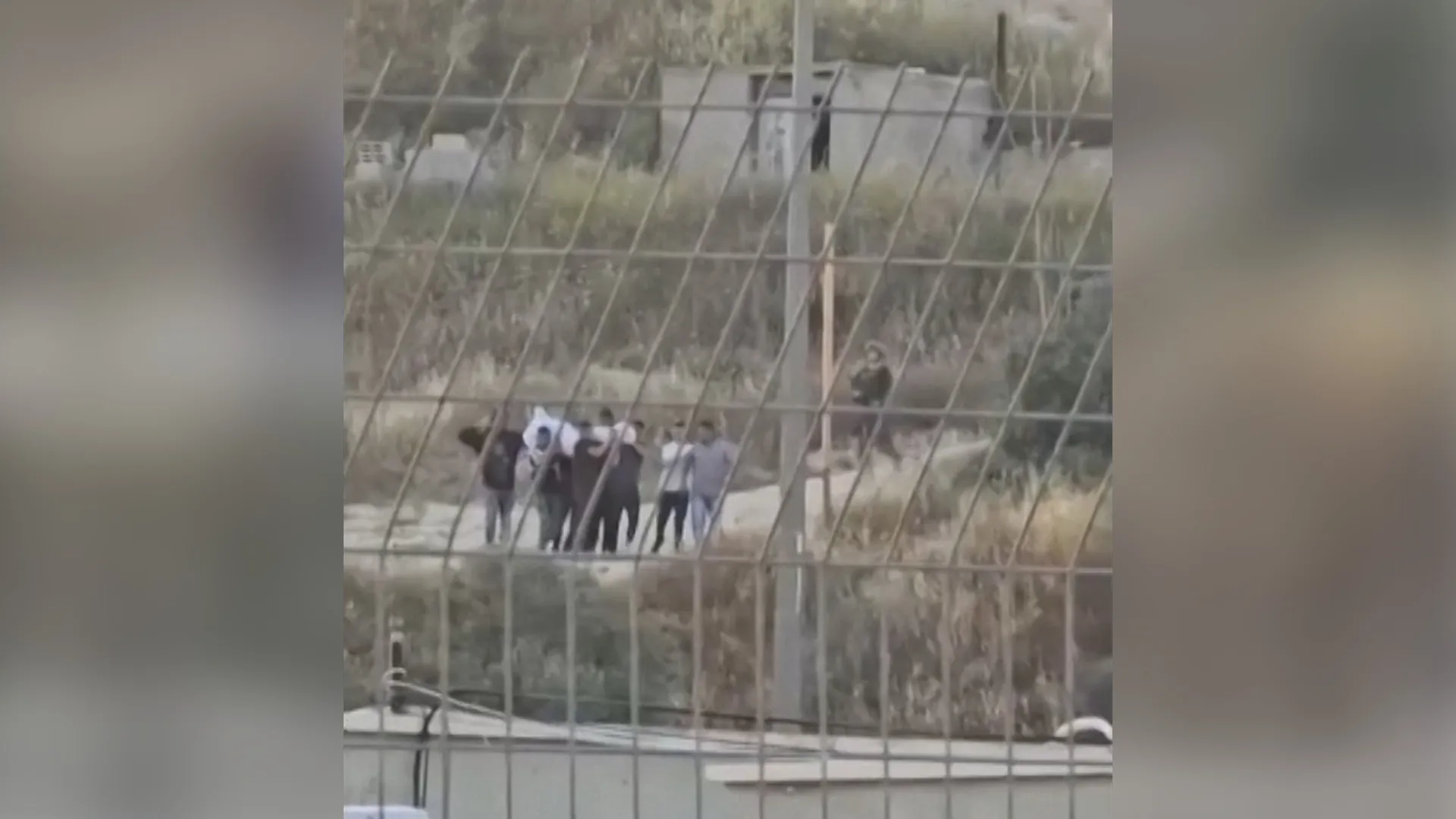

The recent incident involvingIsraeli settlers compelling a Palestinian family to exhume and rebury their father underscores escalating security and human rights tensions in the occupied territories, which pose direct risks to sovereign capital allocation and regional economic stability. Such events erode investor confidence, particularly among institutional and sovereign investors monitoring geopolitical volatility as a critical factor in capital flows. In regions like the Middle East and North Africa (MENA), where sovereign capacity is often stretched by existing conflicts and debt burdens, renewed instability could divert public funds toward security and humanitarian needs rather than infrastructure or technological innovation. This dynamic may accelerate capital flight from conflict-affected areas, further constraining sovereign liquidity and limiting access to global capital markets—a scenario that could persist if de-escalation efforts remain unsuccessful. For MENA governments relying on foreign direct investment (FDI) and sovereign wealth funds to drive economic transformation, sustained violence risks undermining the credibility of fiscal policies, thereby impeding long-term sovereign capital mobilization.
The impact on venture capital (VC) activity in MENA is equally profound, as conflict zones represent inherently high-risk environments for private equity deployments. Venture capitalists typically prioritize political stability and predictable regulatory environments to ensure exit opportunities and protect returns. The physical and legal precarity illustrated by this incident could deter VC firms from investing in local startups or expanding operations in contested regions, favoring instead markets with stronger governance and lower conflict risk. This shift could stifle the growth of tech ecosystems in MENA, which have historically attracted VC attention due to demographic youth and digital adoption rates. Additionally, diaspora-backed VC funds—key players in the region’s startup scene—may redirect investments toward safer jurisdictions, further fragmenting capital availability. Consequently, domestically driven innovation could face funding shortages, while regional tech hubs might prioritize niche verticals with immediate commercial viability over ambitious, long-term technological bets.
Regional infrastructure projects, already strained by funding gaps and regional fragmentation, face additional headwinds from such destabilizing events. Sovereign budgets dedicated to transportation, energy, and digital infrastructure are increasingly pressured to address immediate security concerns, delaying high-impact initiatives like cross-border digital networks or renewable energy grids. For instance, investments in transnational tech infrastructure—such as undersea cables or data center hubs—require stable political environments to secure partnerships and ensure ROI. The inability to de-escalate conflict may thus divert resources from transformative projects to short-term conflict mitigation, exacerbating infrastructure deficits. Moreover, regional geopolitical tensions could discourage multinational corporations from committing to long-term infrastructure investments in MENA, favoring localized solutions that lack economies of scale. This divergence in investment priorities threatens the region’s ability to build resilient, interconnected infrastructure networks critical for competing in a globalized digital economy.