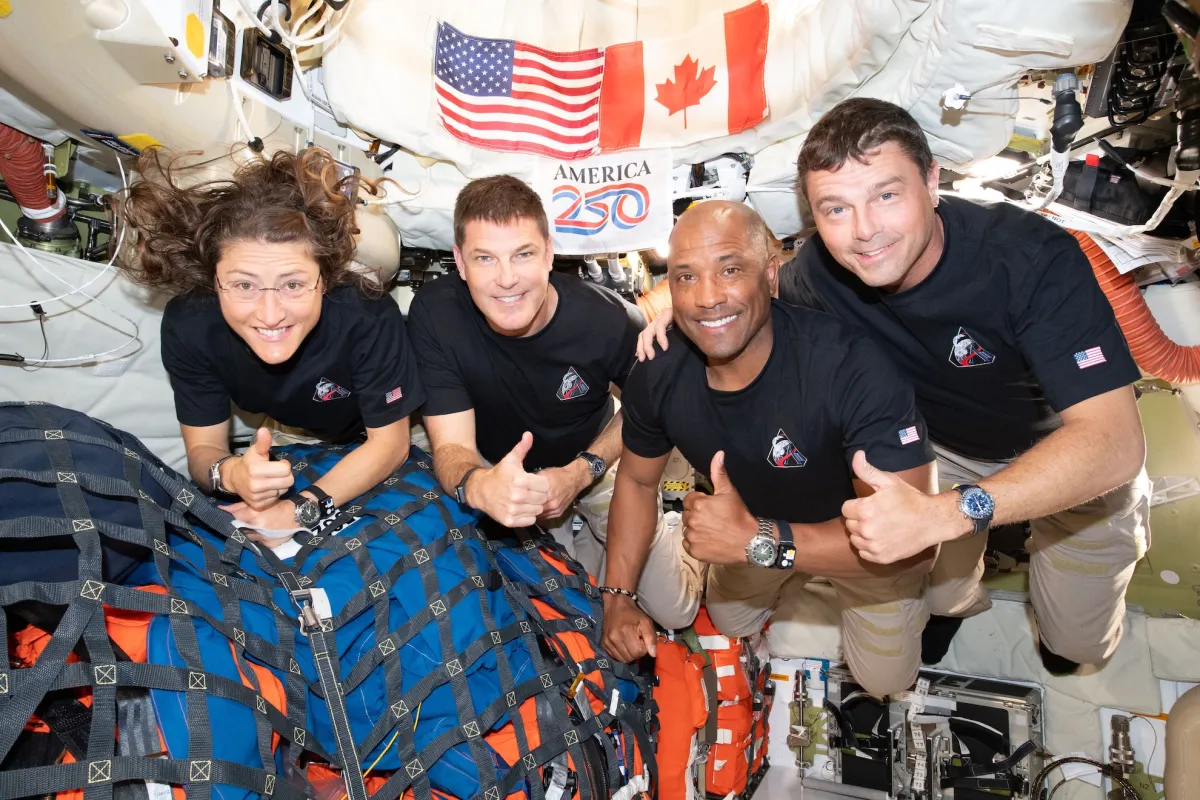

NASA’s successful Artemis II mission marks a pivotal moment in space exploration, with implications that extend far beyond the United States. For the Middle East and North Africa (MENA) region, the mission underscores the growing strategic importance of space technology as a catalyst for technological sovereignty and regional development. As global powers accelerate their lunar and interplanetary ambitions, MENA nations are increasingly recognizing the need to invest in space infrastructure to avoid dependency on Western and Asian actors. The Artemis program’s success reinforces the viability of public-private partnerships in advancing space capabilities, a model that MENA countries like the UAE and Saudi Arabia are already emulating through initiatives such as the UAE Space Agency and Saudi Arabia’s National Space Strategy. These efforts are not merely about prestige but about securing a stake in the global space economy, which is projected to reach $1 trillion by 2040.
Sovereign capital flows into space technology are critical for MENA regions seeking to diversify their economies and reduce reliance on hydrocarbon revenues. The Artemis II mission highlights the high capital intensity of space exploration, with costs exceeding $4 billion for a single crewed mission. For MENA governments, this underscores the necessity of allocating significant fiscal resources to space programs, whether through direct investment, public-private collaborations, or international partnerships. The UAE’s Hope Mars mission and Bahrain’s satellite launches exemplify how sovereign capital can be leveraged to build domestic expertise and reduce import dependency on foreign technology. Such investments are not just about space but about building resilient, high-tech economies capable of competing in the 21st century’s most advanced sectors.
Venture capital interest in space technology is also surging, with MENA startups beginning to emerge in areas such as satellite communications, geospatial analytics, and space-based data services. The Artemis program’s success validates the commercial viability of space ventures, creating opportunities for MENA-based firms to collaborate with global players or develop niche solutions for regional challenges. For instance, satellite imaging could enhance water resource management in arid environments, while blockchain-enabled space logistics startups could tap into the growing demand for secure, transparent supply chain solutions. However, attracting venture capital will require MENA governments to address regulatory barriers and create an ecosystem that supports risk-taking and innovation in the space sector.
Regional infrastructure development for space technology is becoming a strategic priority for MENA nations. The Artemis II mission highlights the need for advanced ground support systems, such as tracking stations, mission control centers, and data processing hubs. Countries like Egypt and Morocco are exploring investments in satellite infrastructure to improve connectivity and disaster response capabilities. Additionally, the region’s strategic location offers opportunities to establish spaceports or launch facilities, potentially positioning MENA as a hub for suborbital tourism or satellite deployment. As NASA’s Artemis program sets a precedent for international collaboration, MENA countries must rapidly scale their infrastructure investments to participate in the next chapter of space exploration and its associated economic transformations.