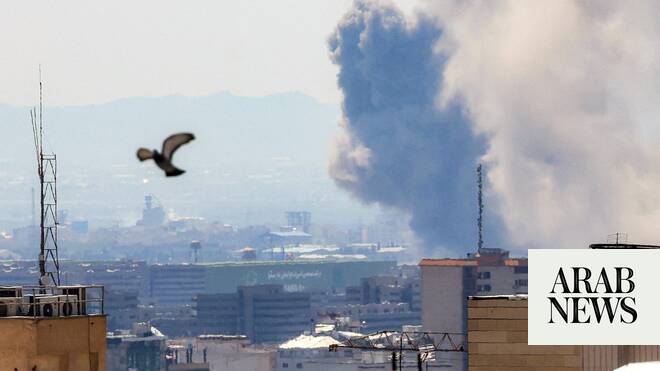

The Middle East’s geopolitical volatility continues to exert destabilizing pressures on regional economic equilibrium. Sovereign capital flows and institutional stability remain constrained by protracted conflict dynamics, compelling prudent reallocation of resources toward crisis mitigation. Institutional frameworks face heightened scrutiny as actors across sectors navigate the intersection of political unrest and market psychology, with implications extending beyond direct conflict zones. Regional infrastructure vulnerabilities, particularly energy transit corridors, demand urgent assessment amid escalating tensions.
Venture capital engagement aligns with shifting risk assessments, as investors reconcile short-term uncertainty against potential long-term opportunities in destabilized markets. The abrupt cessation of imminent military escalation presents a paradoxical economic pivot, requiring recalibration of capital deployment strategies to balance risk mitigation with latent investment possibilities. Such dynamics influence sovereign debt sustainability and private sector resilience across the region.
Collateral impacts necessitate coordinated policy responses to mitigate systemic repercussions. The strait’s operational constraints and localized infrastructure disruptions underscore the necessity for transnational collaboration in ensuring supply chain continuity. Concurrency with heightened human security expenditures further strains fiscal capacities, necessitating adaptive frameworks for crisis governance.
Market psychology permeates decision-making, amplifying volatility in commodity markets and currency exchanges. The convergence of geopolitical rhetoric with subcontinental economic interdependencies demands nuanced policy navigation. Proactive alignment of institutional capacities will ascertain the region’s capacity to absorb shocks while preserving stability.