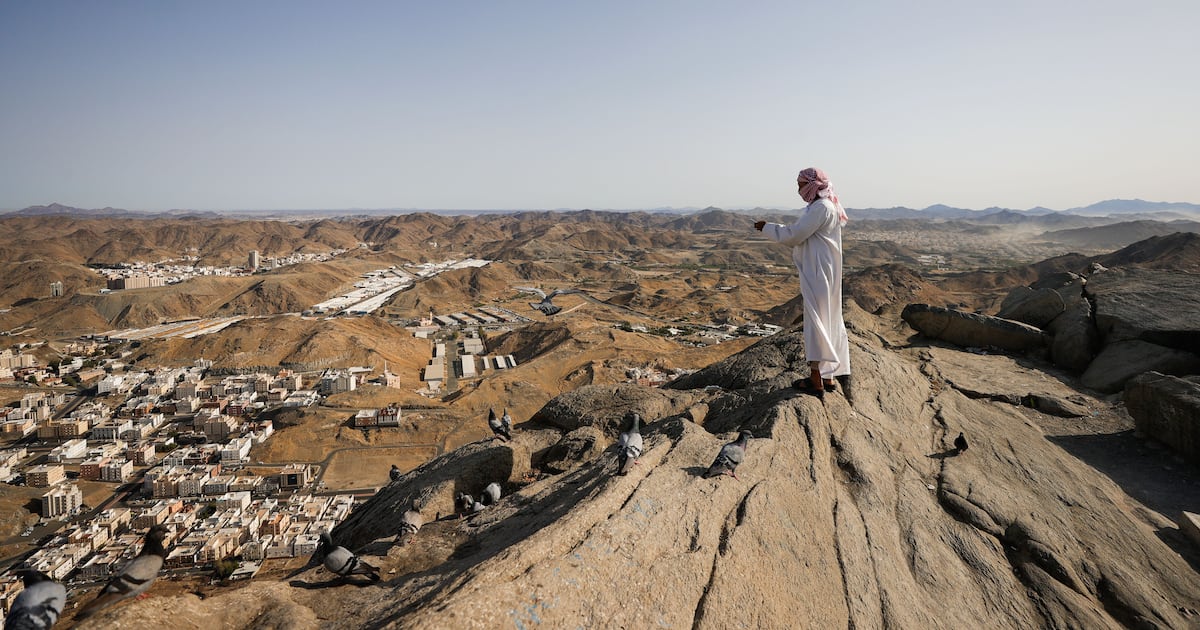

The evolving dynamics of the Middle East and North Africa region, particularly within the MENA landscape, are being profoundly shaped by the interplay of sovereign capital, sophisticated venture capital flows, and ambitious infrastructure projects. In this context, the pilgrimage experiences and urban development of cities such as Makkah stand out as pivotal levers for regional investment and economic positioning. Hajj and Umrah, not only religious milestones but also strategic assets, continue to draw an international demographic each year, thereby enhancing the value proposition for sovereign investors and attracting targeted foreign direct investment into logistics, hospitality, and services sectors.
The surge in sovereign capital is reinforcing the transformation of these holy sites into key economic hubs, with infrastructure projects designed to accommodate the growing demands of pilgrimage traffic. These developments underscore the region’s commitment to leveraging cultural and religious tourism as a catalyst for socio-economic advancement, fostering competitive advantages for nations already positioned at the crossroads of global and regional commerce. At the same time, venture capital is playing an increasingly influential role, enabling the integration of innovative urban planning and sustainable economic models that are essential for the resilience of the regional economy.
Infrastructure upgrades are extending beyond mere accessibility, aiming to enhance the overall business ecosystem and solidify the region’s standing in global supply chains. The synergy between religious heritage and contemporary investment promises to unlock new revenue streams, stimulate public-private partnerships, and redefine strategic capital allocation in areas such as digital connectivity, mobility, and energy efficiency. Thus, the convergence of tradition, capital, and infrastructure is not only enriching the symbolic significance of these sites but also reinforcing their critical role in shaping the future economic landscape of the Middle East and North Africa.
High-net-worth investors and institutional actors must continuously monitor these transformative trends to align financial strategies with the evolving realities of capital deployment in the region. Understanding the implications at the intersection of business, sovereignty, and technology will remain fundamental for strategic decision-making in an increasingly interconnected market. Such insight is essential for stakeholders seeking to harness the full potential of the MENA region as a cornerstone of future economic growth.