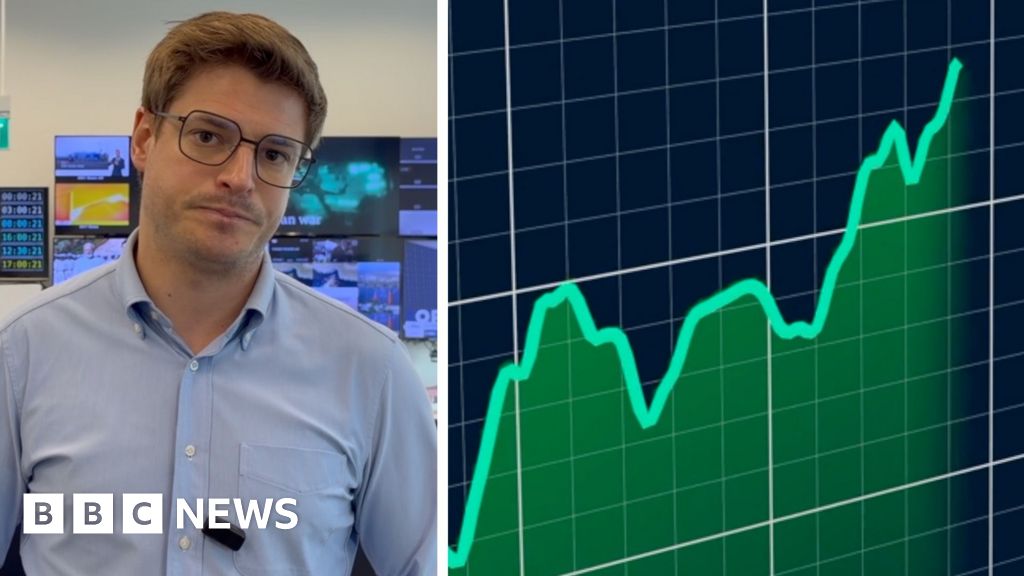

Recent market activity, particularly in the lead-up to significant policy pronouncements from the Biden administration, has revealed a pronounced pattern of speculative positioning within the global financial landscape. Analysis by the BBC, utilizing trade volume data, indicates substantial, multi-million dollar bets were placed in anticipation of key communications regarding the evolving geopolitical situation in the Middle East, specifically concerning Iran. While the precise motivations behind these trades remain subject to further investigation, the timing strongly suggests a strategic attempt to capitalize on potential market reactions to anticipated policy shifts. This behavior, while not inherently illegal, underscores a heightened level of risk and volatility within asset classes sensitive to geopolitical developments.
The implications for the Middle East are considerable, extending beyond immediate market fluctuations. Sovereign wealth funds, traditionally cautious investors, are now facing increased pressure to reassess their portfolios in light of this heightened uncertainty. Funds like Abu Dhabi’s ADIA and Saudi Arabia’s PIF are likely conducting rigorous stress tests, evaluating potential impacts on their long-term investment strategies. Furthermore, the increased speculative activity signals a potential shift in investor sentiment, potentially diverting capital away from traditionally stable sectors and towards those perceived as benefiting most from specific policy outcomes – a dynamic that could exacerbate existing economic vulnerabilities in nations reliant on hydrocarbon revenues. The potential for sovereign capital to be deployed defensively, prioritizing stability over aggressive growth, is a tangible outcome of this heightened market awareness.
Venture capital firms operating within the MENA region are also exhibiting a degree of strategic recalibration. While overall investment remains robust, there’s a noticeable increase in due diligence focused on sectors demonstrably resilient to geopolitical risk – cybersecurity, fintech, and renewable energy infrastructure being prime examples. The increased scrutiny reflects a broader trend of investors prioritizing operational stability and demonstrable value creation over speculative growth. Moreover, the heightened volatility is likely to impact the pace and scale of future funding rounds, with a greater emphasis on securing long-term, sustainable returns. The availability of regional venture capital, crucial for fostering innovation, could therefore be temporarily constrained.
Finally, this episode highlights the critical need for continued investment in regional infrastructure – not just physical infrastructure, but also digital connectivity and regulatory frameworks. A stable and reliable digital ecosystem is increasingly vital for mitigating the impact of geopolitical uncertainty on businesses and facilitating economic diversification. Furthermore, robust regulatory environments, capable of adapting to rapidly changing circumstances, are essential for fostering investor confidence and attracting long-term capital. The current market dynamics serve as a stark reminder that strategic foresight and proactive investment in foundational elements are paramount for navigating the complex and evolving landscape of the Middle East and North Africa.