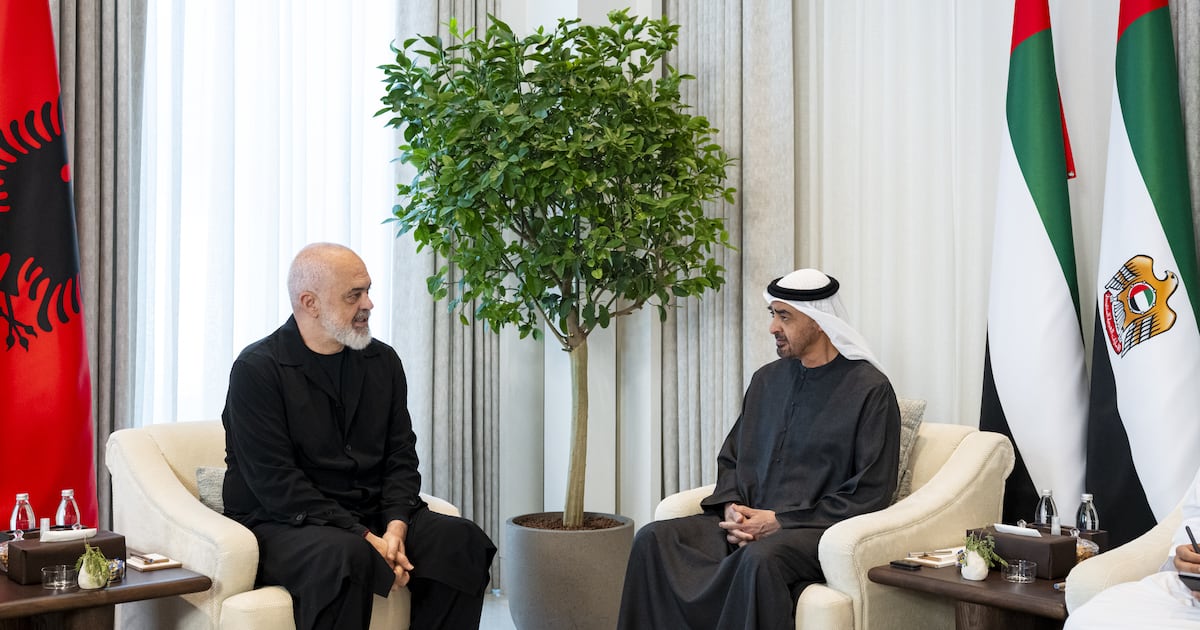

The recent diplomatic reception accorded byPresident Sheikh Mohamed to Albanian Prime Minister Edi Rama underscores a strategic convergence that extends beyond bilateral protocol. In the context of the United Arab Emirates’ sovereign wealth apparatus—anchored by the Abu Dhabi Investment Authority and the Investment Corporation of Dubai—the engagement serves as a catalyst for deepening trade corridors, renewable‑energy joint ventures and technology‑driven supply‑chain integration across the Gulf and Western Balkans. Such synergies dovetail with the UAE’s broader diversification blueprint, channeling venture‑capital flows into high‑growth sectors that can be leveraged to finance next‑generation infrastructure projects extending from Abu Dhabi’s smart‑city initiatives to regional logistics hubs.
From a sovereign‑capital perspective, the dialogue reflects an implicit endorsement of multi‑year financing structures that can accommodate the capital‑intensive demands of North‑African maritime corridors and Mediterranean‑wide renewable‑energy interconnectors. By aligning Albanian investment incentives with the UAE’s sovereign‑fund mandates, the partnership accelerates the deployment of mezzanine‑level and green‑bond instruments that meet both jurisdictions’ regulatory frameworks, thereby expanding the pool of investable assets for institutional investors seeking exposure to emerging market growth.
The security dimension articulated during the summit—particularly the condemnation of Iranian missile strikes on civilian infrastructure—reinforces a broader risk‑mitigation narrative that is increasingly shaping venture‑capital allocations in the Gulf. Institutional investors are recalibrating fund strategies to prioritize assets that benefit from enhanced maritime stability, particularly those linked to the Gulf’s chokepoints and the nascent Mediterranean‑Balkan corridor. This recalibration is expected to spur additional sovereign‑fund‑backed venture initiatives targeting cyber‑resilience, sea‑based renewable generation and integrated logistics networks.
Regionally, the Albania‑UAE engagement exemplifies a template for diversifying diplomatic and investment footprints beyond traditional Western partners. The resulting infrastructure spill‑over effects are poised to reinforce the UAE’s role as a logistics and technology conduit between Europe, the Middle East and North Africa, fostering a cascading impact on sovereign‑fund pipelines, venture‑capital ecosystems, and the broader construction of resilient, cross‑border economic architectures.