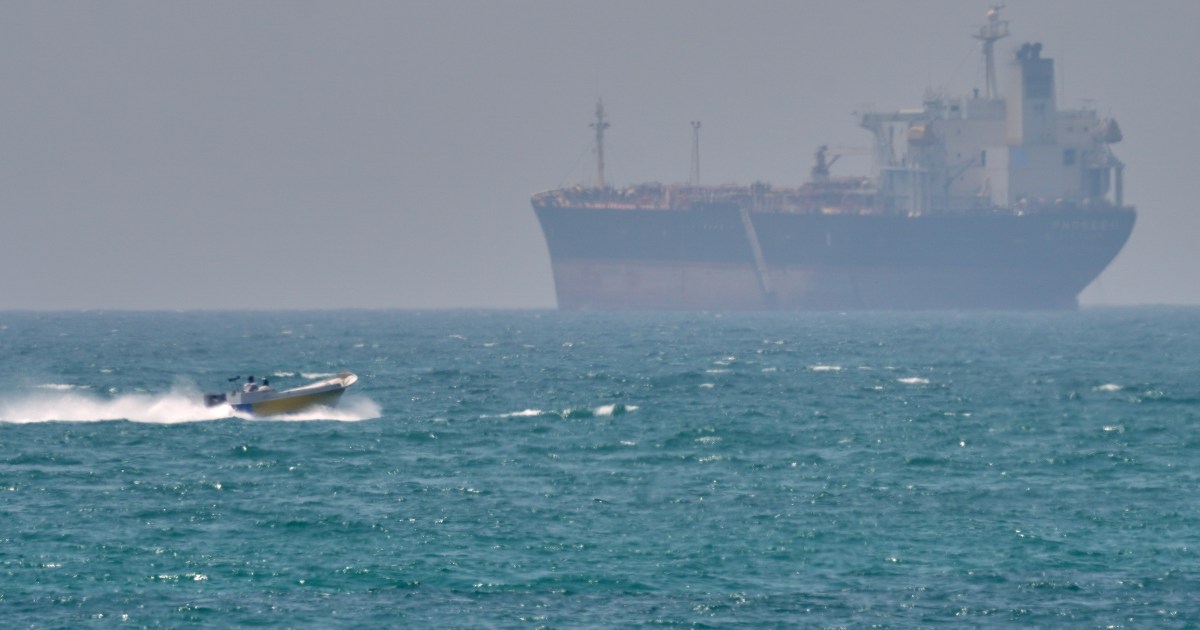

Geopolitical volatility in the Strait of Hormuz continues to reverberate through the Middle East and North Africa’s financial architecture, with Brent crude’s 7.5% intra‑day spike underscoring heightened risk premia that are already being priced into sovereign budgets and sovereign‑wealth portfolio allocations. Existing fiscal buffers in Gulf Cooperation Council states are being recalibrated to accommodate a potential 10–15% widening of current‑account deficits, prompting accelerated issuance of short‑dated sukuk to fund contingency reserves and to shore up liquidity buffers against intermittently disrupted trade flows.
Venture‑capital ecosystems across the region are witnessing a rapid reallocation of capital toward resilience‑focused technologies, particularly in digital trade‑finance platforms, autonomous maritime monitoring, and alternative energy storage solutions that can mitigate supply‑chain shockwaves. The surge in investor scrutiny is accelerating funding rounds for start‑ups that specialize in blockchain‑enabled convoy tracking and AI‑driven risk analytics, signaling a shift from purely oil‑centric valuations to more diversified, infrastructure‑agnostic growth models that align with national diversification agendas.
Regulatory and infrastructure initiatives are being fast‑tracked to reduce dependence on chokepoint dependencies, with several North African governments green‑lighting multimodal logistics corridors linking Mediterranean ports to inland energy hubs. These projects, often financed through blended sovereign‑risk vehicles and dedicated infrastructure funds, aim to create alternative freight pathways that can sustain energy shipments even amid periodic strait disruptions, thereby insulating regional trade balances and attracting long‑term capital from multilateral development banks seeking to mitigate climate‑linked volatility.
Overall, the renewed tension in Hormuz is catalyzing a strategic pivot among MENA policymakers and investors: tighter fiscal prudence, a surge in risk‑adjusted venture funding, and a decisive push toward resilient, technology‑driven infrastructure that collectively aim to insulate the region’s economies from external energy shocks while preserving growth trajectories for the next decade.