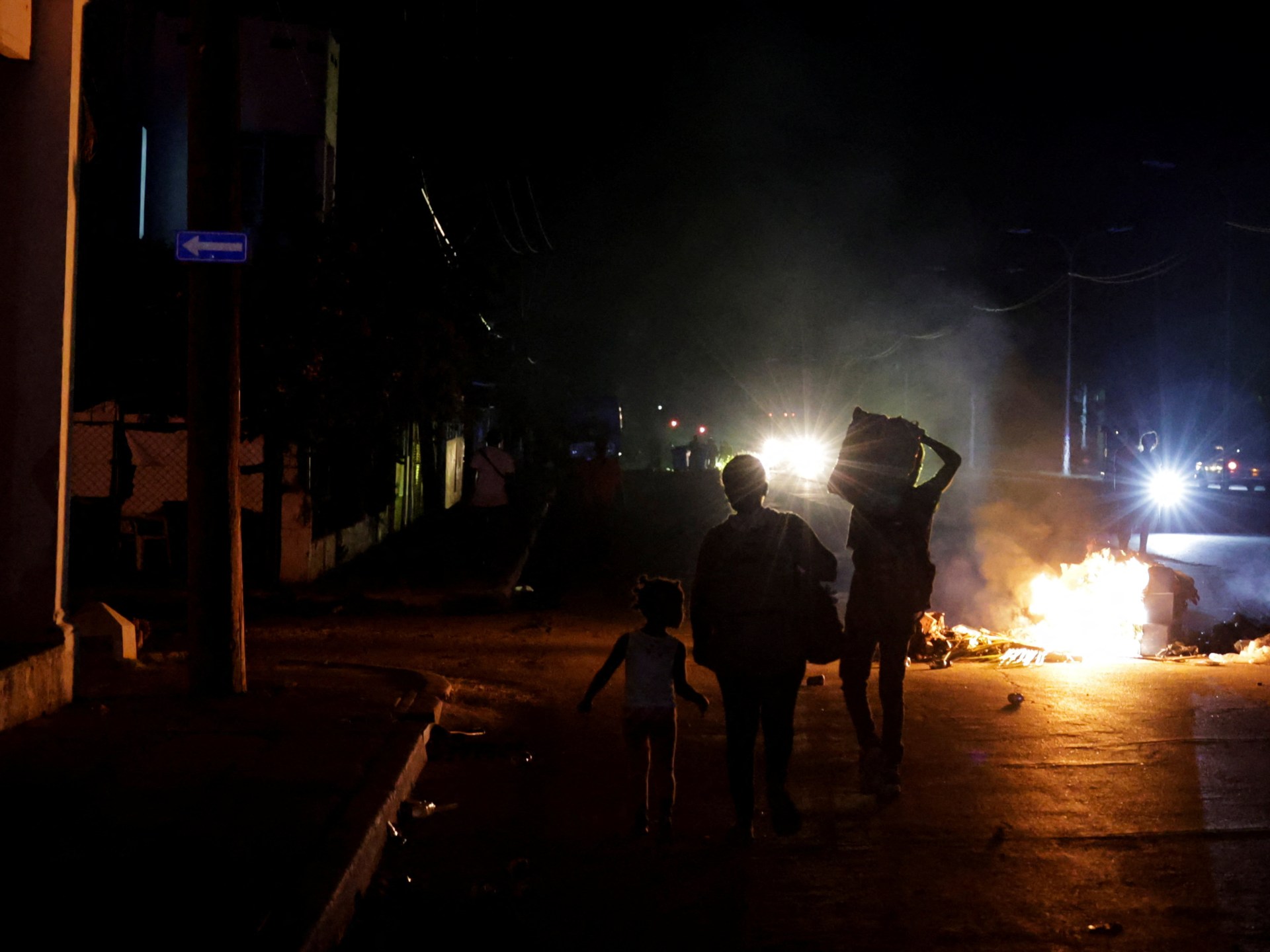

Theenergy crisis in Cuba underscores a critical vulnerability in MENA’s energy-dependent economies, where sovereign oil reserves and import stability are cornerstones of regional prosperity. The reliance on aging infrastructure and foreign fuel supplies mirrors systemic risks faced by Gulf states and Egypt, where hydropower or solar integration remains partially nascent. Business sectors in the Middle East, from logistics to manufacturing, face existential risks from prolonged outages, as operational continuity is tethered to reliable energy access. Sovereign capitals in the region could be strained by forced investments in grid modernization or alternative energy procurement, diverting funds from other priorities. The Cuban example serves as a cautionary tale: energy insecurity not only disrupts production but also risks capital flight and currency volatility, particularly in MENA economies where oil revenues are often leveraged inefficiently or funneled into politically_contentious ventures.
The venture capital landscape in the MENA region could face dual pressures: a flight from high-risk energy-dependent sectors to digital or renewable-focused portfolios, while simultaneously losing access to high-growth markets in energy infrastructure or storage solutions. Investors may prioritize regions with stable energy grids or diversified fuel sources, exacerbating capital concentration in core Gulf states. However, this shift could also catalyze localized VC support for renewable energy startups in countries like Morocco or Tunisia, albeit with slower returns and higher regulatory hurdles. Sovereign-backed green bonds or public-private partnerships may emerge as critical tools to de-risk these ventures, but political instability in windowed-rich MENA states—driven by energy shocks—could deter both foreign and domestic investors from committing to long-term infrastructure projects.
Regionally, the Cuban outage highlights the imperative for MENA to accelerate infrastructure resilience through decentralized energy systems and regionalized fuel networks. Countries like Saudi Arabia or the UAE, already investing heavily in nuclear or solar projects, must avoid the pitfalls of centralized grid fragility demonstrated in Cuba. Regional infrastructure cooperation, such as cross-border power grids or shared fuel reserves, could mitigate politicized energy blockades akin to the US sanctions exacerbating Cuba’s crisis. Sovereign capital in the region would need to pivot toward infrastructure-as-a-service models, where private entities manage grids or storage solutions under regulatory frameworks that ensure stability. Failure to act risks a cascading effect, where energy insecurity undermines regional economic integration and siphons sovereign resources into unsustainable subsidization of failing systems, mirroring Cuba’s current plight.