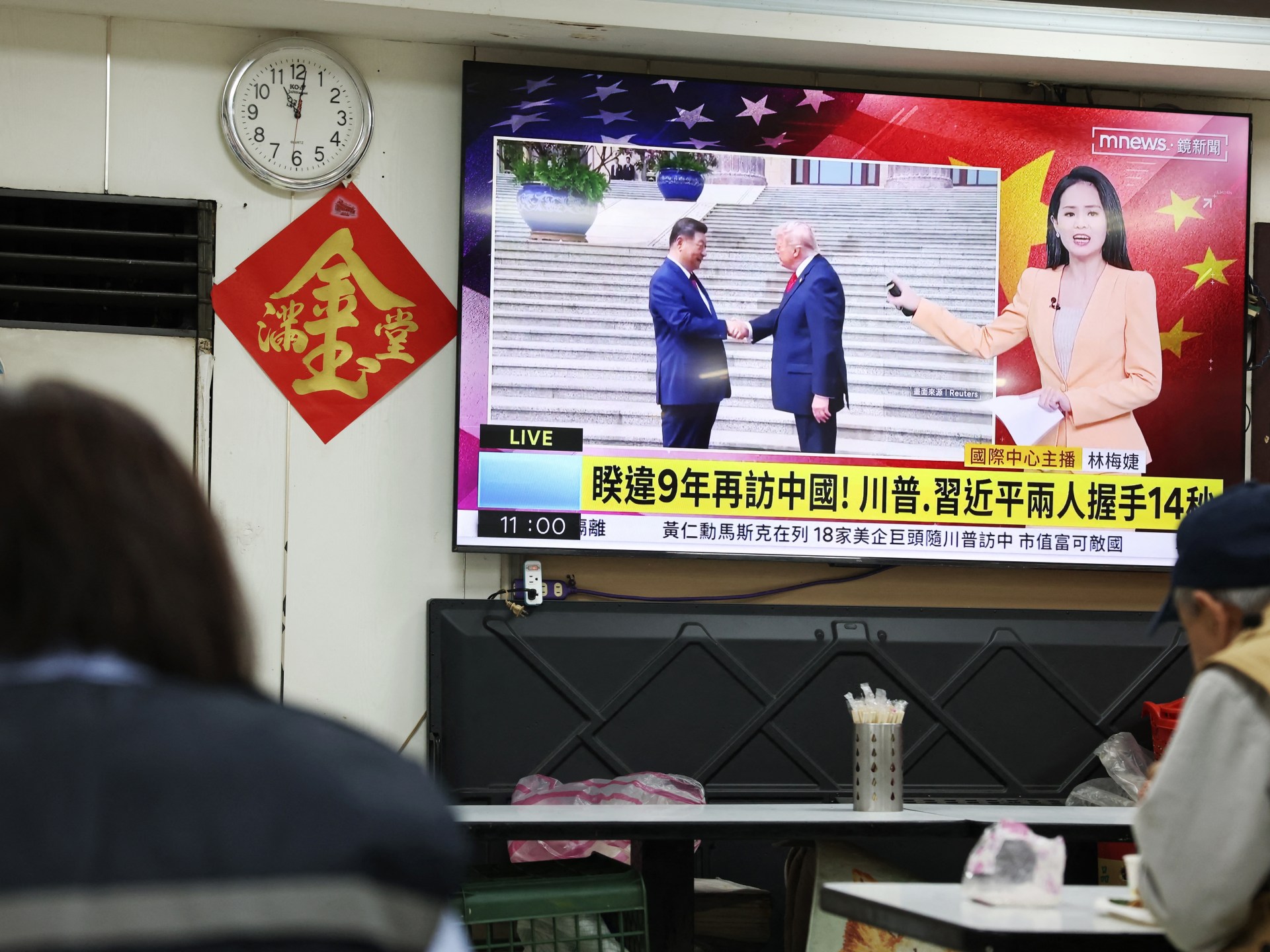

PresidentDonald Trump’s equivocal remarks on Taiwan, delivered during a Fox News interview after his Beijing summit with Xi Jinping, reaffirm the United States’ longstanding strategic ambiguity while signaling a reluctance to endorse formal independence. For sovereign wealth funds and institutional investors across the Middle East and North Africa, this calibrated U.S. stance introduces a nuanced risk calculus: while the avoidance of a direct “independence” declaration reduces immediate geopolitical flashpoints, the persistent “One China” policy sustains a backdrop of uncertainty that can depress long‑term allocations to Taiwan‑linked assets and curtail the flow of U.S. venture capital into the region’s high‑tech sectors.
The ambiguous U.S. posture also reshapes venture capital dynamics within the MENA ecosystem. Start‑ups operating in semiconductors, artificial intelligence, and advanced manufacturing, which have increasingly courted American funding, now confront a more cautious investor environment. Limited partners in Qatar, the United Arab Emirates, and Saudi Arabia may temper exposure to Taiwan‑centric supply chains, opting instead for diversified exposure to regional innovation hubs that present fewer geopolitical contingencies. Consequently, the flow of capital toward MENA‑based unicorns is likely to become more selective, emphasizing domestic market potential and partnerships with non‑China‑centric technology providers.
From a sovereign capital perspective, China’s explicit warning that Taiwan’s status represents “the most important issue” in U.S.–China relations intensifies the strategic calculus for Gulf sovereign wealth funds. The perceived risk of a destabilized Taiwan Strait could translate into higher hedging costs for infrastructure projects that rely on global financing networks, especially those tied to U.S. Treasury markets or dollar‑denominated bonds. In response, Gulf states may accelerate diversification of their infrastructure funding sources, bolstering partnerships with European financiers and increasing allocations to domestic megaprojects such as NEOM, Ras Al‑Khaimah’s energy corridors, and Egypt’s new urban expansions, thereby insulating regional development pipelines from geopolitical volatility.
Infrastructure financing in the broader MENA region will also feel the ripple effects of heightened U.S.–China tension over Taiwan. The United States’ pause on the $11 billion arms package to Taiwan, while primarily a security consideration, signals to regional governments that American policy can swing rapidly, influencing the confidence of multinational lenders and multilateral development agencies. This uncertainty may prompt a recalibration of public‑private partnership models, with Gulf authorities increasingly leveraging sovereign guarantees and local capital markets to fund transport, logistics, and digital backbone projects, thereby reinforcing regional resilience amid an evolving great‑power contest.