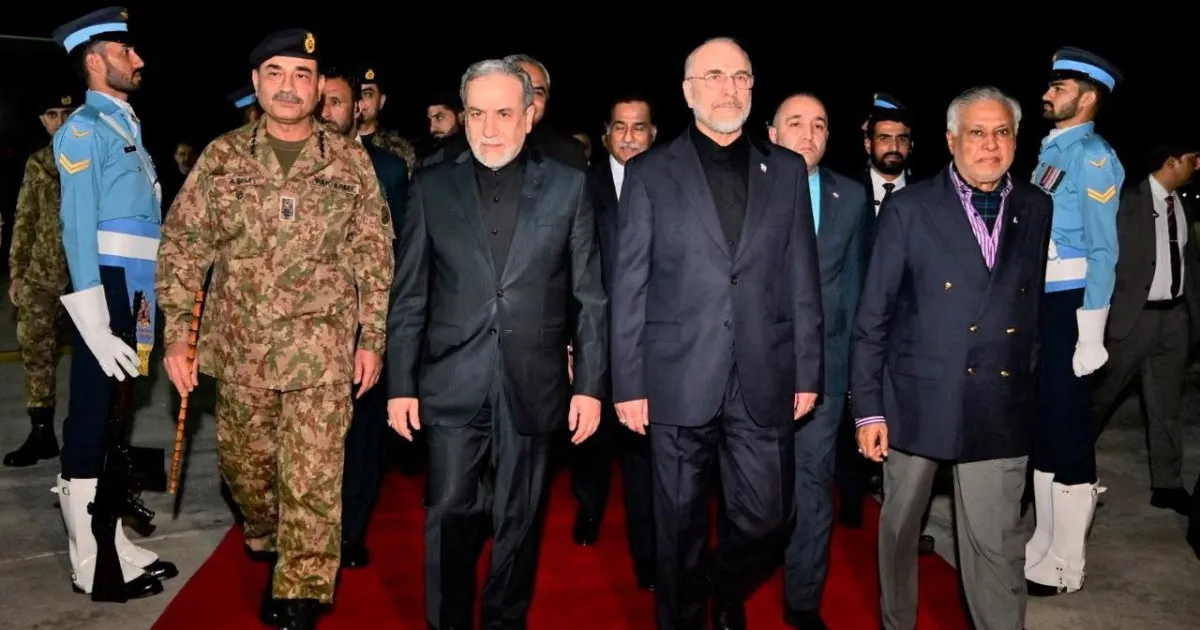

The arrival of Iran’s senior delegation in Islamabad for ceasefire talks with the United States signals a potential inflection point for regional stability and economic recalibration. With parliamentary speaker Mohammad Bagher Ghalibaf and Foreign Minister Abbas Araghchi headed the talks—joined by U.S. Vice President JD Vance, Steve Witkoff, and Jared Kushner—the discussions come amid an environment of disrupted energy flows, domestic economic pressures, and infrastructure challenges across the Middle East and North Africa. The prospect of any near-term resolution carries profound implications for sovereign capital deployment, with the Strait of Hormuz as both a determinant of regional trade momentum and a catalyst for international investor sentiment.
Despite the high-level engagement, on-the-ground realities underscore the fragility of the situation. Lebanon’s Health Ministry reported that over 2,000 people have been killed since early March, compounding an acute food security crisis driven by severe supply chain disruption and inflationary pressures. Meanwhile, Tehran’s more than 1,000 hours of internet blackout—tracked by NetBlocks—has crippled digital communications, threatening to slow already precarious recovery trajectories for technology and financial sectors, and complicating sovereign debt servicing and fiscal management. In Iran, experts such as Zohreh Kharazmi suggest that while the leadership sees leverage over critical chokepoints like Hormuz, public trust in U.S. intentions remains precarious, highlighting the difficulty of sustaining any diplomatic momentum.
For MENA sovereign investors and venture capital allocators, the outcome of these talks will shape capital risk premiums tied to energy security and infrastructure continuity. A favorable resolution may trigger a recalibration of sovereign wealth fund strategies, unlocking liquidity for sovereign bond issuance and regional connectivity projects. Conversely, delays or failure will likely elevate market volatility, constrain venture financing in fragile economies, and exacerbate cross-border capital flight to safer havens. As the April 21 expiration of the current truce nears, the interplay between geopolitical brinkmanship, regional commerce, and tech-enabled services delivery will be pivotal in shaping the region’s economic resilience.