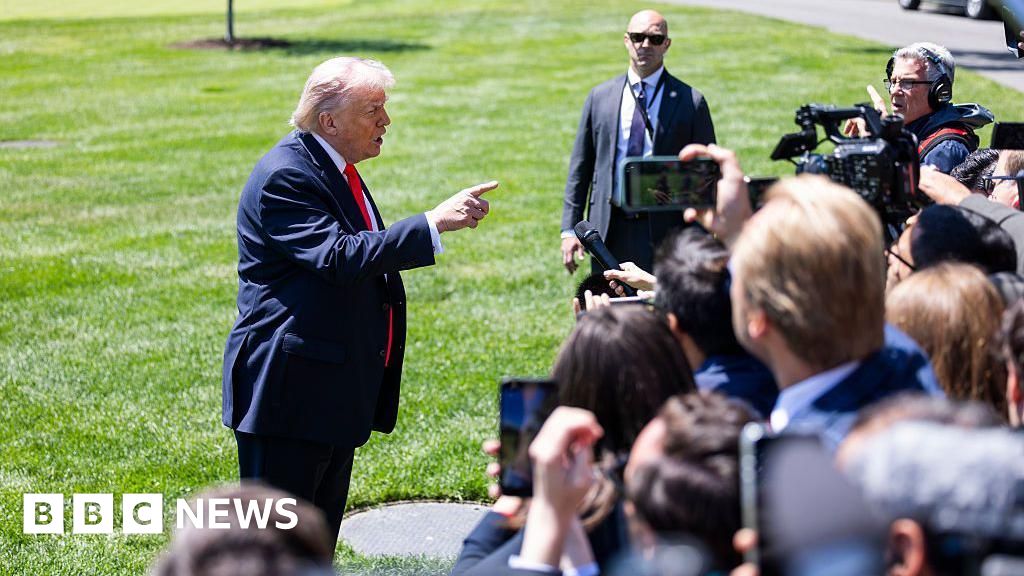

The current geopolitical landscape in the Middle East and North Africa is defined by heightened tensions and strategic recalibrations, particularly in the wake of evolving U.S. policy. While the blockade continues to exert pressure on regional actors, it underscores the persistent volatility in sovereign capital flows and the growing importance of sovereign debt markets in the MENA region. The fragility of this ceasefire, coupled with President Trump’s shifting rhetoric on retaliatory strikes, intensifies the risk of reciprocal military engagement, which could further disrupt investment environments and deter sovereign investors seeking stable regulatory frameworks. In this context, the regional financial architecture faces a critical juncture: either the current ecosystem can absorb the shocks or it will be reshaped by a more assertive regional stance.
The implications for sovereign capital markets are profound. Investors are increasingly compelled to re-evaluate exposure in jurisdictions where political risks now rival economic risk assessments. The bloc’s sovereign credit ratings remain under scrutiny, especially as debt servicing pressures mount amid reduced foreign direct investment. Venture capital flows, traditionally driven by innovation hubs and emerging market prospects, are likely to face a curtailment unless stakeholders demonstrate a clear path toward geopolitical stabilization. The need for adaptive investment strategies becomes paramount, as capital strategies pivot toward resilience and regional diversification.
Infrastructure development across the region is also being recalibrated in response to these shifting dynamics. Major state-backed initiatives, such as the UAE’s infrastructure electrification goals or Saudi Vision 2030, could gain renewed momentum if they effectively navigate the current regulatory headwinds. Conversely, FTAs and technology deals may encounter delays unless policymakers implement measures that restore investor confidence. The coming years will test the region’s capacity to balance strategic autonomy with economic integration, with strategic inflection points likely emerging from the next phase of tit-for-tat diplomacy. Understanding these interdependencies is essential for stakeholders navigating the evolving MENA landscape.