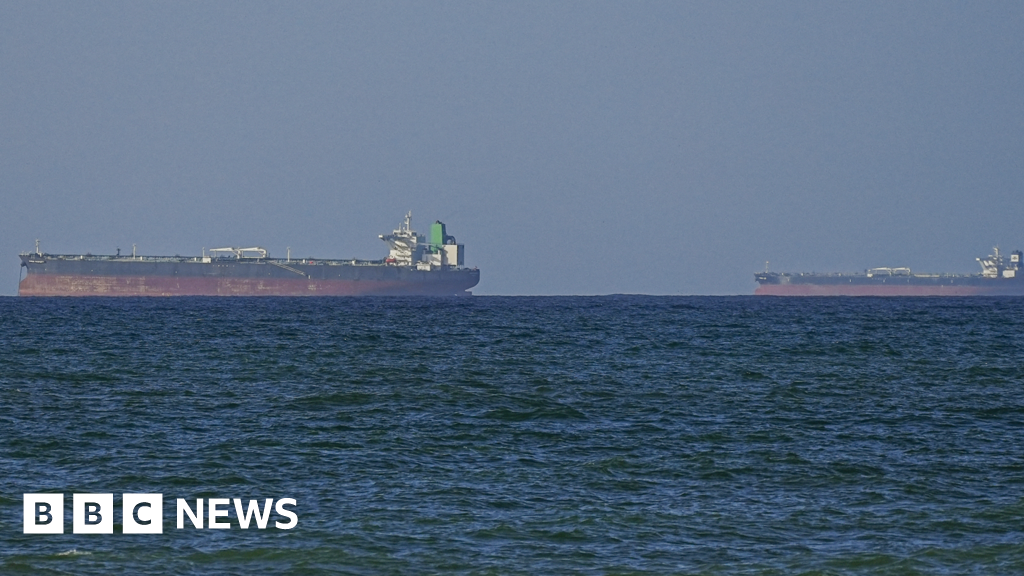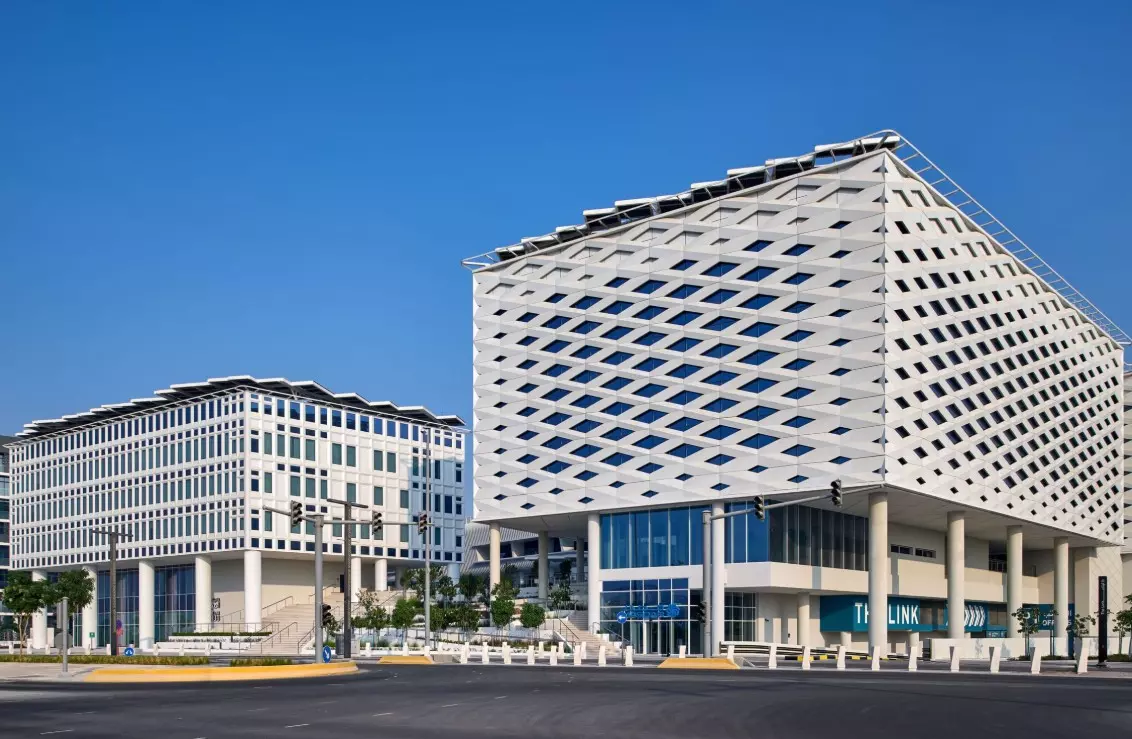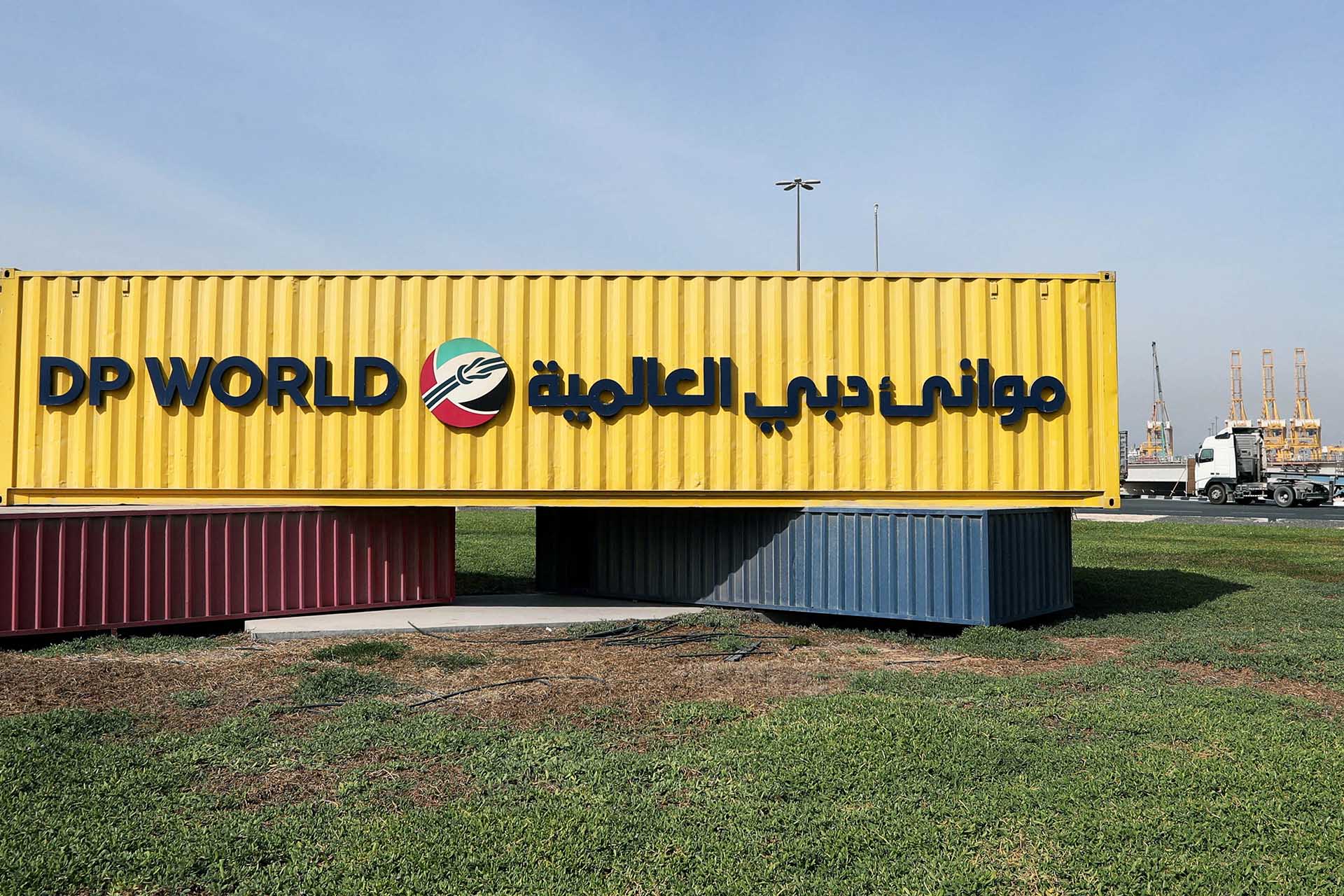

High-level discussions between representatives of former US President Donald Trump’s “Board of Peace” and Dubai’s DP World have explored the logistics giant’s potential role in transforming Gaza’s infrastructure, according to sources familiar with the matter. The talks center on DP World establishing operational control over humanitarian aid logistics, including warehousing, tracking systems, and security protocols that would ensure efficient distribution of goods. This initiative represents one of several post-conflict infrastructure proposals being considered for the war-torn territory, with DP World positioning itself as a key enabler of Gaza’s economic recovery through maritime and supply chain expertise.
The proposal outlines a comprehensive infrastructure ecosystem centered around a “secure and traceable supply chain system” linked to a port-driven economic development model. Blueprints envision constructing either a dedicated port facility within Gaza or developing coastal infrastructure along Egypt’s border, integrated with a free trade zone to stimulate commerce. The multidisciplinary approach includes warehousing facilities, employment-generating trade platforms, and light industrial development designed to create sustainable economic activity. This integrated strategy demonstrates how logistics infrastructure can serve as the foundation for broader economic regeneration rather than existing as isolated transport assets.
For regional sovereign investors and venture capital firms, the scale of required reconstruction presents unprecedented capital deployment opportunities. Gaza’s estimated USD 71.4 billion ten-year reconstruction needs, including USD 23 billion in immediate projects over the next 18 months, create substantial infrastructure investment prospects. DP World’s consideration of operations in such a politically sensitive environment aligns with its strategic pattern of entering contested markets where logistical bottlenecks create competitive advantages. The company’s parallel investments in Somalia and post-conflict Syria demonstrate calculated risk tolerance in fragile states, leveraging infrastructure capabilities to establish long-term strategic footholds in markets others avoid.
Should these talks materialize into operational agreements, the implications extend beyond immediate reconstruction to reshape regional economic corridors and trade patterns. A successfully implemented logistics ecosystem in Gaza could integrate the territory into broader Middle East supply chains, potentially catalyzing cross-border trade initiatives between Israel, Egypt, and the Palestinian territories. This represents a classic case of infrastructure-led development where private sector expertise in global logistics meets sovereign reconstruction objectives, creating scalable models that could be replicated across the MENA region’s post-conflict zones while providing institutional investors with infrastructure assets offering stable, long-term yields tied to regional economic integration.