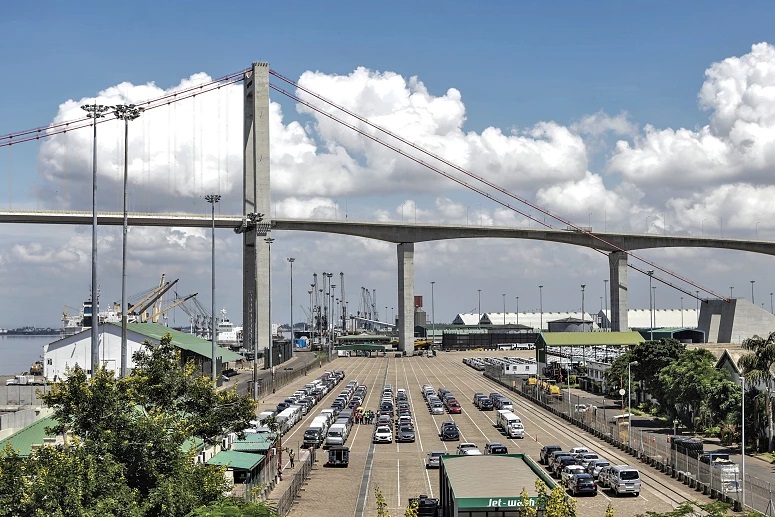

DP World’s recent unveiling of a Brazil-Africa logistics corridor represents a strategically significant development with far-reaching implications for trade flows, sovereign investment, and regional infrastructure across the Middle East and North Africa (MENA). The initiative, connecting Brazil’s Port of Santos to DP World’s operations in Angola, Mozambique, and South Africa, moves beyond a simple service offering; it signals a deliberate effort to capitalize on burgeoning trade opportunities between Latin America and the African continent, and positions DP World as a key facilitator in this emerging dynamic.
The business impact for MENA-based entities is multifaceted. While the direct link doesn’t immediately involve MENA nations, the corridor’s success could spur similar integrated logistics solutions connecting Africa to other global hubs, potentially including those in the Gulf. Sovereign wealth funds (SWFs) from the region, increasingly focused on diversifying their portfolios and securing access to critical resources, may view this development as a compelling case study for infrastructure investment in emerging markets. DP World’s own model, leveraging port infrastructure, free zones, and digital technology, aligns with the strategic priorities of many MENA SWFs seeking high-growth, tangible asset investments. Furthermore, the corridor’s reliance on digital technology and integrated supply chain management could accelerate the adoption of similar technologies across African ports and logistics networks, creating opportunities for MENA-based technology providers.
The venture capital landscape also warrants attention. The success of the Brazil-Africa Link will likely attract further investment in logistics and supply chain technology within both regions. MENA-based VC firms, known for their appetite for disruptive technologies, could find attractive opportunities in companies developing solutions for enhanced visibility, predictive analytics, and automation within these trade corridors. The corridor’s reliance on efficient warehousing and transportation networks will also create demand for specialized logistics services, potentially attracting investment in companies offering these capabilities. The development underscores the growing importance of regional infrastructure as a catalyst for venture capital activity, particularly in sectors supporting cross-border trade.
Ultimately, the Brazil-Africa Link highlights the evolving role of port operators like DP World in shaping regional trade architecture. The initiative’s success hinges on continued investment in port infrastructure, digital connectivity, and streamlined customs procedures across both continents. For MENA, this development serves as a reminder of the interconnectedness of global trade routes and the potential for strategic partnerships to unlock new economic opportunities. While the immediate impact may be indirect, the corridor’s success could pave the way for similar initiatives connecting Africa to other regions, including the Middle East, further solidifying the continent’s role as a key player in the global economy.