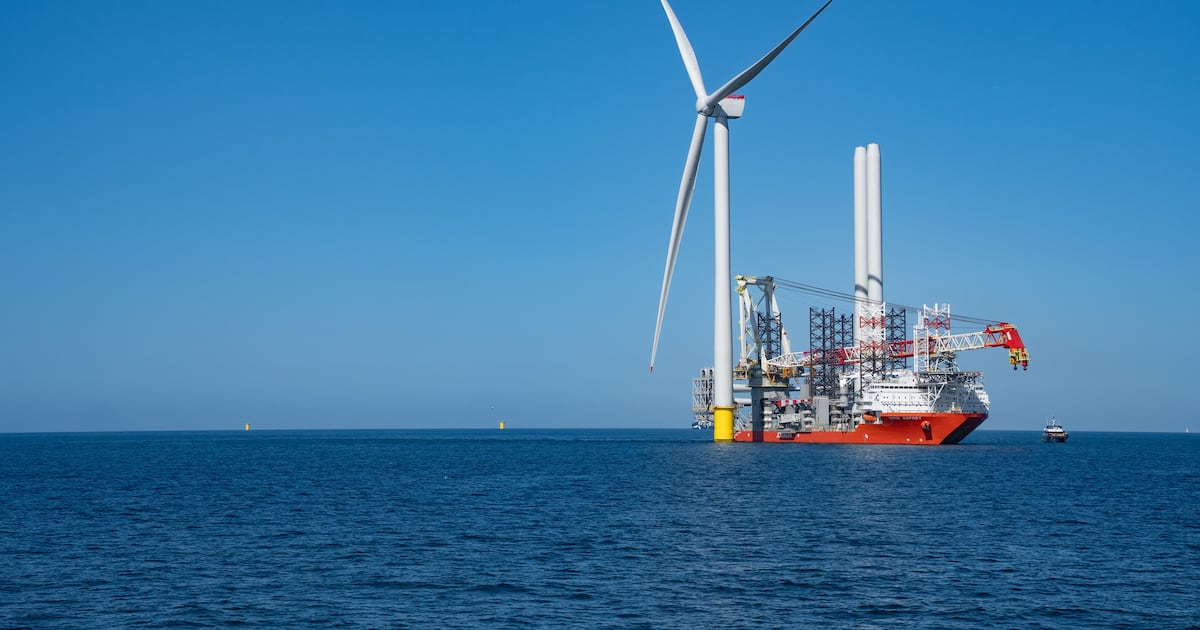

Europe’s reliance on North Africa’s renewable energy resources to fuel its decarbonization ambitions has exposed systemic vulnerabilities that undermine the viability of the “green battery” model. The region’s putative potential—350 gigawatts of tracked wind and solar capacity, dwarfing current installations—is inextricably tied to fragile economic and geopolitical conditions. Export-oriented hydrogen projects, such as Mauritania’s proposed 80 GW initiatives, face insurmountable barriers: underdeveloped grids, water stress, and reliance on volatile global shipping routes. Meanwhile, sovereign capital flows into the region remain misaligned with domestic imperatives, as foreign investors prioritize short-term export contracts over investments in local infrastructure. The stark disparity in energy investment—Europe per capita exceeds Sub-Saharan Africa by 40x—underscores a structural inequity where North Africa’s renewable resources are exploited as raw material for Europe’s transition, perpetuating dependency rather than fostering self-sufficiency.
The infrastructure deficit in the MENA region starkly contrasts with the scale of proposed hydrogen ventures. Existing electricity grids, plagued by chronic instability, cannot transmit power from remote solar and wind sites to ports without extensive retrofitting. Ports capable of handling large-scale hydrogen or ammonia exports remain largely theoretical, with studies revealing minimal economically viable export sites once transport and conversion costs are factored in. Water scarcity compounds these challenges: producing a kilogram of green hydrogen requires up to 30 liters of water, a critical burden in arid regions where agriculture and domestic consumption already face shortages. Without addressing these material constraints, export-focused models risk exacerbating regional instability, diverting resources from urgent needs such as universal electrification, which demands $60–90 billion annually in funding yet remains underprioritized.
Strategic misalignment between Europe’s decarbonization goals and North Africa’s developmental trajectory further jeopardizes the “green battery” vision. While Europe seeks to externalize its energy trilemma—security, affordability, and sustainability—North Africa’s energy systems remain vulnerable to geopolitical turbulence, such as fluctuating Red Sea freight costs and oil price shocks. Domestically, countries like Morocco and Tunisia face fiscal strain from petroleum imports, while Egypt grapples with surging electricity demand. The region’s overemphasis on hydrogen exports risks replicating extractive economic models under a “green” veneer, excluding local populations from value creation. Conversely, small-scale, community-driven renewable projects—such as distributed solar minigrids—have demonstrated immediate impacts, boosting household incomes by up to two-thirds in rural areas. Redirecting investment toward decentralized systems and industrial localization, including green steel or fertilizer production, could cultivate resilient economies capable of sustaining both domestic growth and regional partnerships.