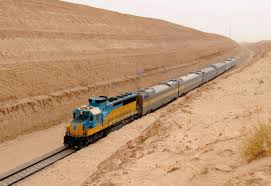

The accelerated construction of the Gulf Railway project represents a profound strategic pivot by GCC sovereign capital, deploying substantial financial resources—estimated at $240-250 billion—to fundamentally reshape regional logistics and economic integration. This 2,177km national network, collectively executed by member states while aiming for unified cross-border functionality by 2030, is not merely infrastructure; it is the cornerstone of a burgeoning regional logistics backbone. Sovereign capital deployment is driving synergies with national megaprojects like the Saudi Landbridge, accelerating multimodal integration that bypasses fragmented domestic systems and aims to establish the GCC as a globally significant trade corridor connecting Asia, Africa, and Europe.
The business impact extends beyond connectivity, catalyzing significant efficiency gains and new market opportunities. The railway is projected to annually move over 95 million tonnes of freight and 8 million passengers, drastically reducing transport costs and time—evidenced by plans like the Saudi-Qatar high-speed corridor cutting Riyadh-Doha travel to under two hours. This enhanced freight and passenger capacity directly benefits core sectors such as petrochemicals, manufacturing, and tourism, while simultaneously positioning GCC ports and industrial zones as competitive hubs within global supply chains, effectively de-risking logistics dependencies and fostering regional trade integration.
For regional infrastructure and investment, the Gulf Railway acts as a critical enabler for both sovereign capital and venture capital flows. Its phased integration model—leveraging existing national networks like UAE’s Etihad Rail and Oman’s segment—provides tangible near-term value, while the overarching vision unlocks long-term investment in ancillary services, technology, and urban development aligned with national diversification agendas like Vision 2030. This regional infrastructure framework inherently attracts foreign direct investment and venture capital, particularly in last-mile logistics solutions, digital rail systems, and sustainable transport technologies, thereby accelerating the GCC’s transition towards a knowledge-based, integrated economic bloc.