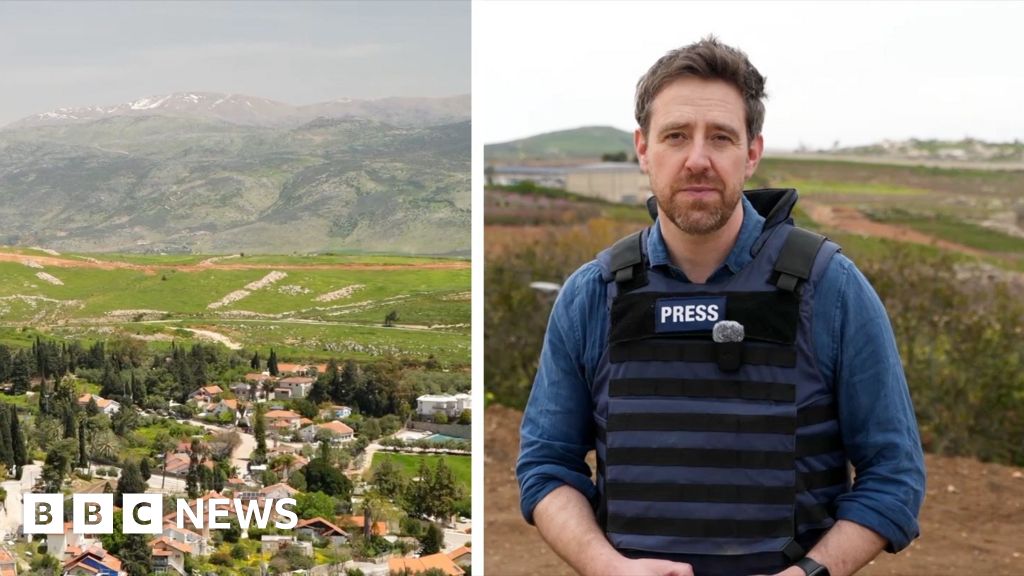

While the conflict in the Levant rages on, its economic reverberations are extending far beyond the battlefield. The intensifying military escalation between Israel and Hezbollah is drawing renewed attention from regional sovereign wealth funds and private investors who are recalibrating exposure to sectors tied to defense, cybersecurity, and border technologies. With northern Israel’s Metula now a frontline flashpoint, Israel’s defense and technology industries are poised for accelerated funding from both domestic and international capital pools – much of which is likely to flow through Gulf sovereign investors seeking strategic footholds in Israeli equities and startups focused on counter-rocket systems, surveillance infrastructure, and urban resilience tech. This alignment could deepen economic corridor activity in the Mediterranean and challenge traditional investment models across MENA’s geopolitical fault lines.
Lebanon, by contrast, is bearing the brunt of the humanitarian and economic fallout, with estimated infrastructure damages from renewed Israeli strikes already crossing into the billions of dollars. The scale of destruction threatens to erase much of the post-CEDRE reconstruction efforts and risks further destabilizing the country’s already fragile banking sector. That environment creates a disincentive for venture capital deployment and could trigger capital flight to safer regional hubs such as Dubai, Abu Dhabi, and Riyadh. Lebanese sovereign debt instruments are likely to slip into deeper distress, prompting multilateral and Arab-state creditors to explore restructuring frameworks – albeit with tighter political stipulations – to maintain regional stability.
For the broader MENA region, the Metula-Hezbollah front crystallizes a critical inflection point in sovereign capital allocation strategies. Investors are watching closely how conflicts in energy-transport chokepoints and adjacent technology corridors are factored into risk-adjusted returns, especially as rising defense expenditure competes with traditional sovereign allocation to renewables, smart cities, and aerospace. Countries with diversified economies and minimal exposure to direct conflict – notably the UAE and Saudi Arabia – may benefit from capital reallocation, while Lebanon and conflict-adjacent zones face further infrastructure collapse and stunted private-sector growth. Ultimately, the front lines of this war are as much about economic deterrence and post-conflict reconstruction premiums as they are about territorial control – a dynamic that will shape MENA’s capital deployment strategies for the next decade.