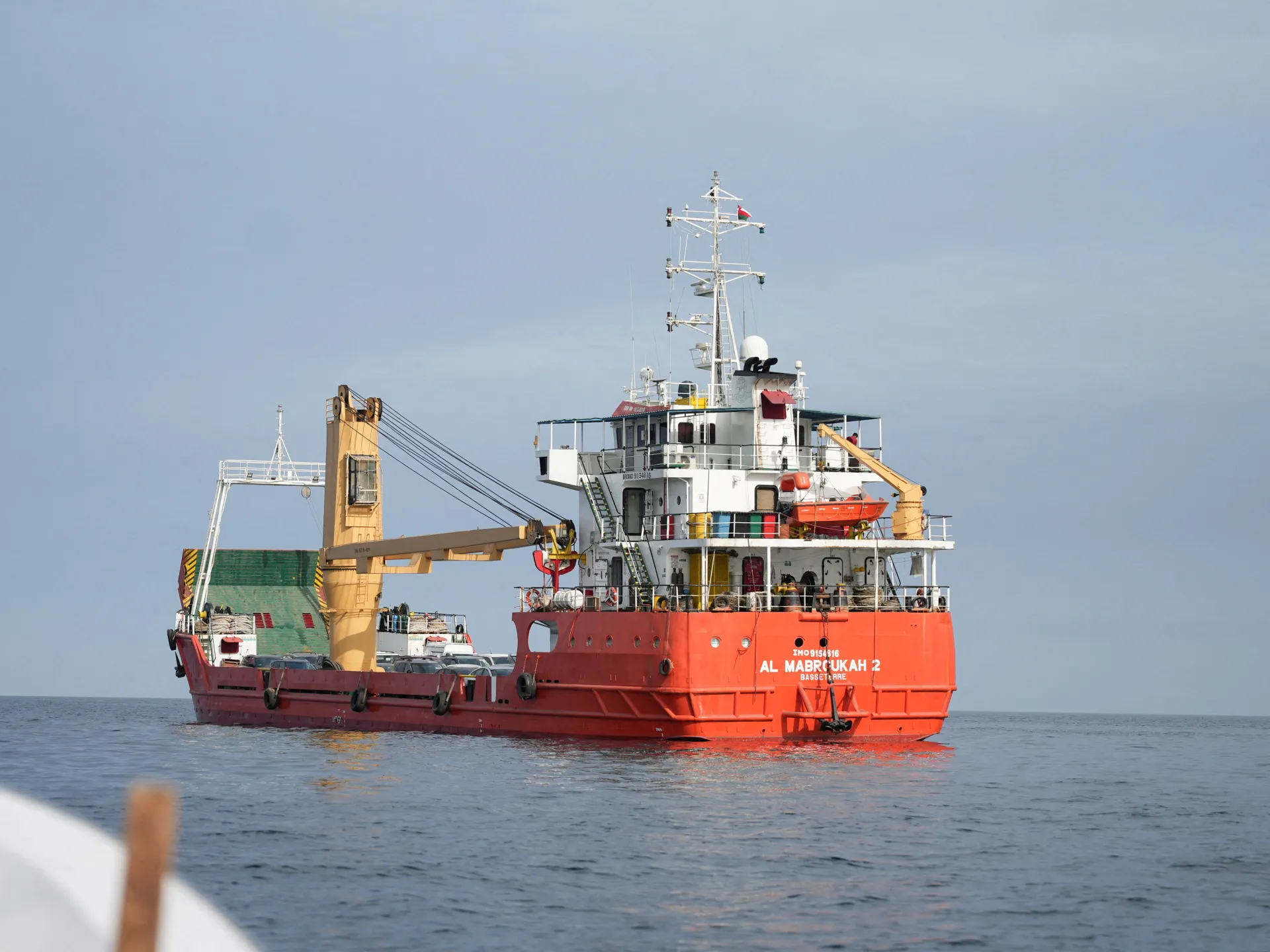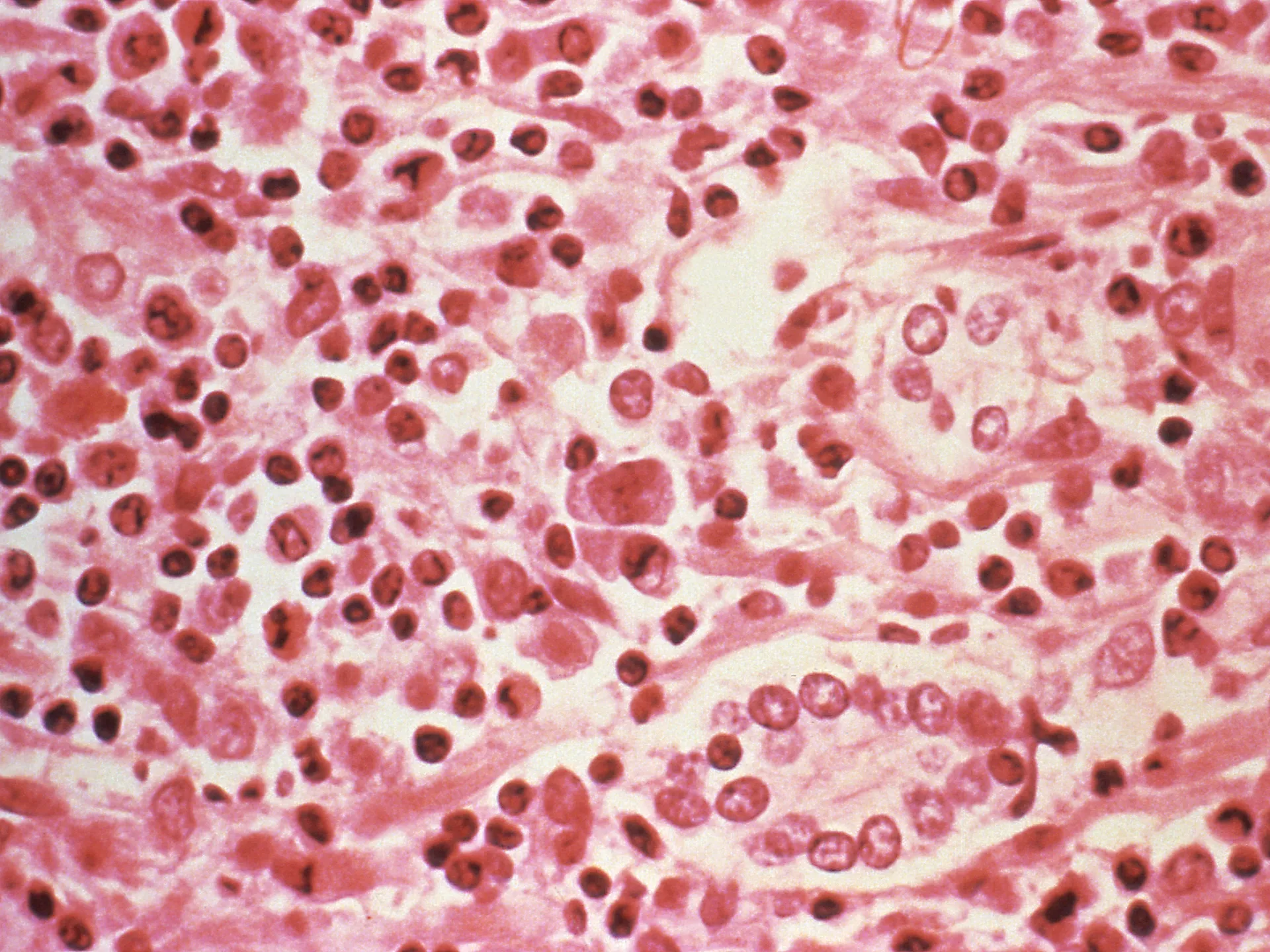

The suspected hantavirus outbreak aboard the MV Hondius, resulting in three fatalities and critical illnesses, triggers significant immediate business disruptions across the MENA region’s hospitality and travel sectors. Cruise lines operating in or through Middle Eastern waters face heightened operational costs and reputational risk, potentially leading to reduced passenger volumes and cancellations impacting regional ports like Dubai and Abu Dhabi. Sovereign wealth funds (SWFs), including Saudi Arabia’s PIF and Abu Dhabi’s Mubadala, which have substantial tourism infrastructure investments (e.g., NEOM Amaala), must now reassess portfolio resilience against systemic health risks, accelerating diversification toward more resilient hospitality models and integrated health security protocols.
Venture capital activity in MENA’s burgeoning health technology and crisis management domains is set for accelerated deployment. Existing funds like Wamda Capital and BECO Capital will likely pivot resources towards diagnostic platforms, telemedicine solutions, and AI-driven outbreak prediction systems targeting regional vulnerabilities. Simultaneously, sovereign capital earmarked for mega-projects (e.g., Saudi NEOM, Egypt’s New Capital) will face revised infrastructure prioritization, demanding enhanced biosecurity integration into port, airport, and public transport masterplans across the Gulf Cooperation Council (GCC) and North Africa to mitigate future cross-border health threats.
Crucially, this incident underscores the profound impact of global health crises on regional investment strategies, forcing a paradigm shift in infrastructure resilience planning and capital allocation. SWFs and institutional investors will pressure portfolio companies to implement stringent occupational health standards and contingency plans, while VC flows intensify towards ventures addressing public health infrastructure gaps. The long-term implication is a structural increase in capital dedicated to building MENA’s health security architecture, transforming this crisis catalyst into a defining driver of regional economic strategy.