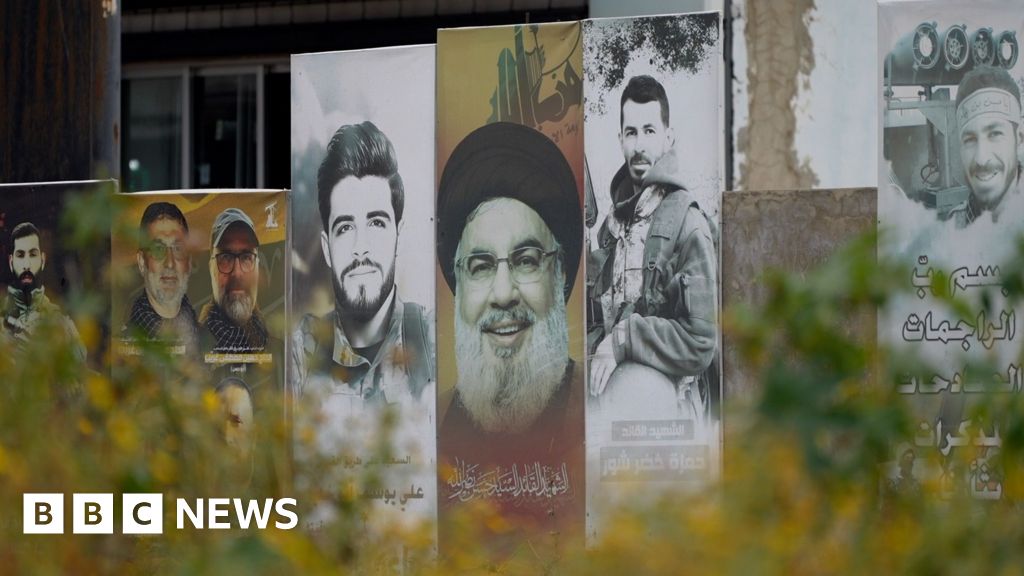

The destruction of southern Lebanese villages, as illustrated by the recent reporting from areas adjacent to the Israel–Hezbollah front, underscores a structural blow to the Levant’s already fragile economic foundations. For sovereign wealth funds and institutional investors across the MENA region, the indefinite displacement of populations and the physical obliteration of trade and agricultural corridors in South Lebanon represent a tangible hardening of the regional risk premium. This is not merely a humanitarian crisis; it is a direct impediment to the cross-border infrastructure projects—such as the proposed Haifa–Beirut rail link or the revitalization of the Beirut port economic zone—that sovereign capital from the Gulf had tentatively underwritten. The effective “freeze” on civilian life in these villages signals a decoupling of local economic activity from the state, further entrenching parallel economies tied to non-state actors, which complicates any future sovereign-led reconstruction finance.
From a venture capital and private equity perspective, the prolonged instability along the Israeli–Lebanese border has already caused a measurable flight of early-stage tech and agritech capital from Lebanon’s nascent innovation hubs. The inability to secure physical assets, supply chains, and human capital in these border regions forces regional VCs—particularly those based in the UAE, Saudi Arabia, and Qatar—to redirect their dry powder toward more stable ecosystems in Egypt, Jordan, and the Gulf itself. The irony is stark: the same geopolitical volatility that fuels increased defense and dual-use technology investment in Israel simultaneously starves Lebanon of the digital and agricultural transformation that its economy desperately needs. Without a credible ceasefire and a sovereign guarantee framework for infrastructure reconstruction, Lebanon will remain a “dead capital” zone for institutional investors, regardless of any central bank stabilization efforts.
The implications for broader MENA infrastructure resilience are profound. The destruction of a village’s main street and the abandonment of homes, as witnessed, directly erodes the viability of the World Bank–backed “Lebanon Reconstruction Framework” and undermines the GCC’s long-standing preference for investing in stable, bankable assets. Sovereign funds such as the Qatar Investment Authority and Abu Dhabi’s ADQ, which have been cautiously exploring post-crisis reconstruction plays in the Levant, now face a binary choice: either accept a significantly higher risk-adjusted return threshold to account for the unpredictability of Israeli–Hezbollah escalation, or pivot entirely to North African infrastructure—such as Morocco’s port expansion or Egypt’s green hydrogen corridor—where sovereign risk is more predictable. The road ahead demands that regional policymakers decouple reconstruction finance from political normalization, or risk a permanent bifurcation of the MENA investment landscape into secure Gulf hubs and distressed Levantine frontiers.