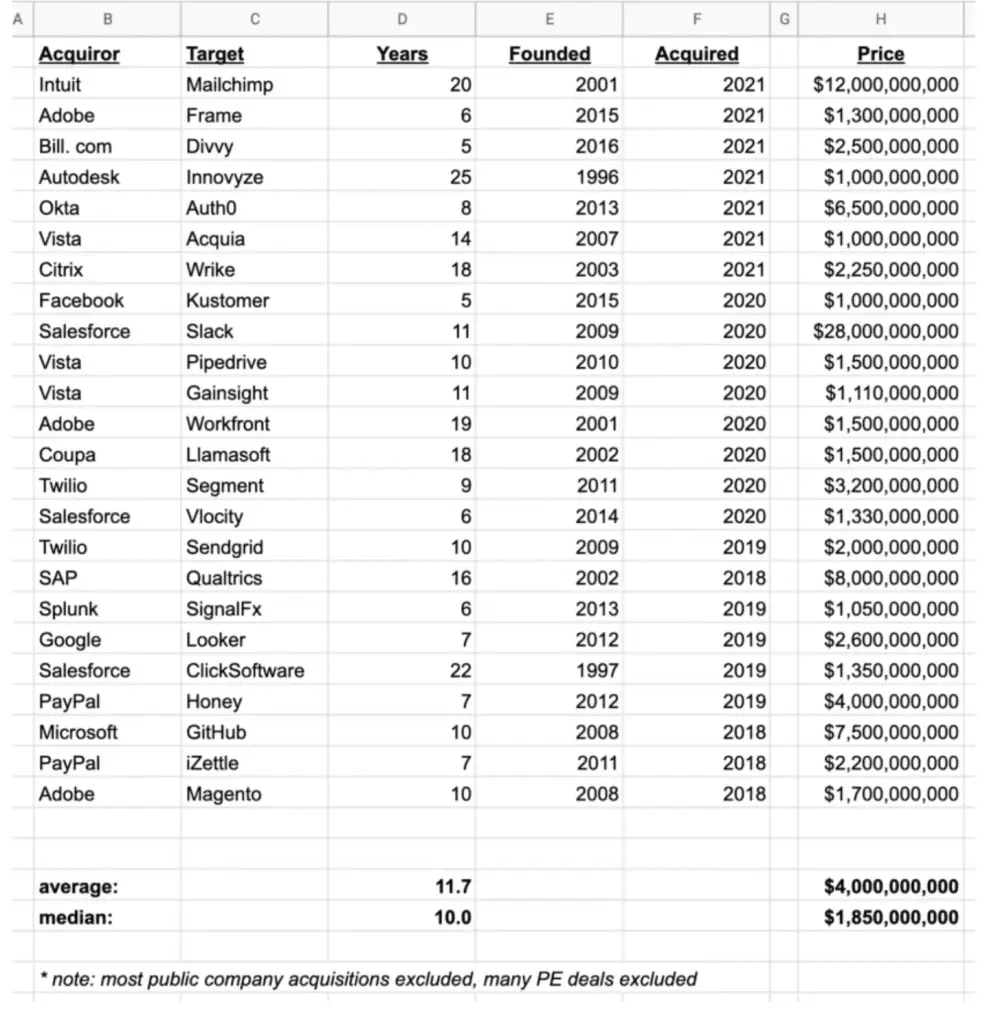

The extended averageexit timeline for B2B SaaS startups—11.7 years to reach a $1B+ valuation—carries profound implications for the Middle East and North Africa (MENA) region’s evolving tech and venture ecosystems. In a region where sovereign capital flows are often constrained by macroeconomic volatility and regulatory frameworks, this time horizon underscores the critical need for patience among institutional investors and governments seeking to catalyze high-growth startups. Sovereign funds, tasked with balancing short-term fiscal objectives with long-term economic transformation, may struggle to align their capital allocation strategies with the multi-decade bets required to scale MENA-based tech firms to global exit standards. The delay in exits also amplifies the risk of capital flight during periods of regional instability, as sovereign entities might prioritize recapturing liquidity over nurturing nascent unicorns. This dynamic could stifle innovation if governments divert attention from fostering domestic tech ecosystems to address immediate fiscal pressures, thereby undermining efforts to position MENA as a competitive global SaaS hub.
The venture capital landscape in MENA is equally challenged by these extended timelines, which clash with the region’s historical emphasis on rapid, high-yield exits. While global VCs have adapted to multi-stage funding cycles in enterprise software, local funds often lack the patience or infrastructure to support such drawn-out journeys. Many regional startups face capital crunches after the initial funding rounds, as investors prioritize shorter-term returns in an environment where success metrics for billion-dollar valuations remain abstract. This mismatch exacerbates the fragmentation of VC portfolios, with funds either exiting too early at suboptimal valuations or abstaining from larger bets altogether. Moreover, the scarcity of late-stage capital in MENA forces startups to rely disproportionately on founder-financed growth or partial acquisitions—a trend that suppresses the development of dominant regional players capable of threatening global tech incumbents. Until sovereign investors and regional funds commit to longer horizons, the region risks perpetuating a cycle of underfunded, overhyped startups that fail to reach disruptive scale.
Regional infrastructure gaps further compound these challenges, as MENA’s digital maturity lags behind global benchmarks in areas critical to SaaS scalability—such as cloud infrastructure, cybersecurity, and cross-border payment ecosystems. While countries like the UAE and Saudi Arabia have invested heavily in tech infrastructure through initiatives like NEOM or the Vision 2030 program, coverage remains uneven across the region. Startups grappling with inconsistent internet access, data sovereignty concerns, or fragmented payment systems face higher operational costs and slower customer acquisition, directly delaying their path to a $1B+ exit. For sovereign capital providers, this highlights the necessity of infrastructure-as-a-service (IaaS) partnerships to accelerate the region’s digital backbone. Similarly, VCs must prioritize portfolio companies that directly address these systemic inefficiencies, such as SaaS platforms enabling regional supply chain optimization or digital identity solutions. Without parallel advancements in infrastructure, the MENA tech sector risks remaining a peripheral player in the global SaaS market, constrained by both time and capital inefficiencies.