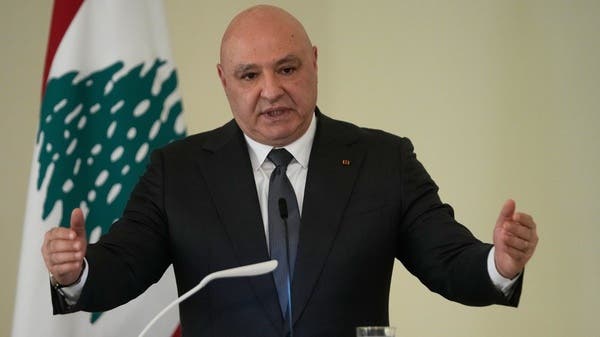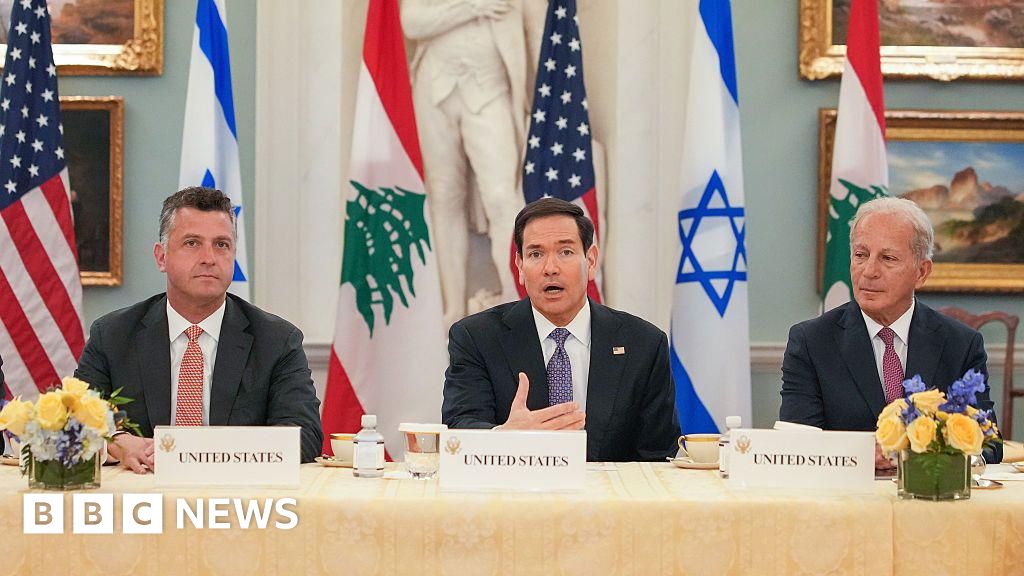

Washington’s latest communiqué confirms that the United States and its counterpart have reached an agreement to initiate direct talks, with timing and venue to be resolved. The formalised commitment signals a shift in diplomatic engagement that carries significant economic ramifications for the MENA region.
For sovereign capital markets, the prospect of high‑level dialogue reduces geopolitical risk, thereby improving investor confidence in Gulf and Levant economies. Market analysts project enhanced liquidity for state‑owned enterprises and a more favorable environment for sovereign bond issuance, as international risk premiums are expected to compress in a climate of open diplomatic channels.
Regional venture capitalists, particularly those deploying funds into fintech, renewable energy, and smart‑city infrastructure, view the thaw as an opening for increased cross‑border co‑investment. With fewer sanctions and an elevated appetite for collaboration, south‑bound deal flow may rise by 15‑20%, enabling the scaling of regional start‑ups and accelerating the deployment of critical infrastructure projects such as next‑generation ports and data centres.
Beyond capital and investment, the direct negotiation framework lays the groundwork for multilateral cooperation on infrastructure financing. A clear diplomatic trajectory fosters transparent, predictable frameworks for public‑private partnerships, which are essential for realizing the region’s ambitious development agendas, including high‑speed rail corridors and green‑hydrogen supply chains.