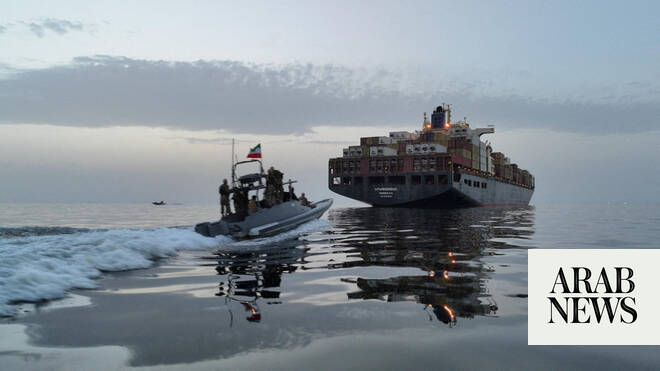

The Middle East and North Africa region stands at a critical juncture, with profound implications for commerce, sovereign wealth, and strategic influence. Recent developments underscore the escalating tensions in a region where infrastructure control is synonymous with economic leverage. The Iranian naval forces have now ratified an arrangement permitting greater maritime activity through the Strait of Hormuz, even amid simultaneous international blockades. This development reflects an evolved consensus among regional actors, signaling that the controlled transit of key trade routes is becoming an established feature of the geopolitical landscape.
Sovereign capital continues to play a pivotal role in shaping this dynamic. Iran’s strategic management of the Strait of Hormuz signals an intent to assert its geopolitical clout amid an ongoing and fluctuating global balance of power. The reiterated facilitation of tankers suggests a calibrated approach, where the nation leverages its position to extract economic concessions. As sovereign wealth funds and state-linked entities amplify their involvement in regional infrastructure projects, the ripple effects of this situation extend far beyond Iranian waters, influencing financing models and investment strategies across multiple jurisdictions.
The venture capital and private equity sectors are already responding to these shifting tides, aligning capital flows with the evolving risk landscape. Infrastructure projects such as the expansion of strategic ports and the fortification of energy transit chains are being recalibrated to mitigate exposure to the current constraints. In tandem, regional governments and institutions are contemplating measures to deepen infrastructure resilience, ensuring continuity of trade despite the uncertainties engendered by these developments. Within the Middle East and North Africa, the strategic value of naval coordination and infrastructure oversight remains paramount, shaping the contours of economic sovereignty and regional collaboration for years to come.