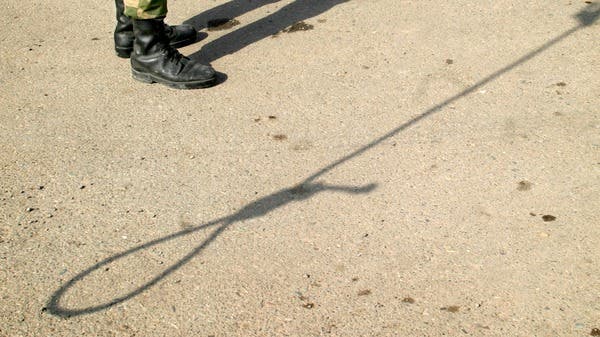

The recent execution of two individuals convicted of espionage for Israel underscores a tightening security apparatus in Tehran, heightening the geopolitical risk premium for capital allocators across the MENA region. As Iran navigates the aftermath of the recent kinetic conflict with Israel and the United States, the domestic crackdown on alleged intelligence assets—specifically targeting vulnerabilities near critical nuclear infrastructure like Natanz—signals a profound escalation in state-level paranoia. For institutional investors and sovereign wealth funds (SWFs) operating in adjacent markets, this volatility reinforces a bifurcated regional landscape where security imperatives increasingly dictate the flow of cross-border capital and the stability of long-term infrastructure projects.
From a macroeconomic perspective, the persistent threat of intelligence warfare and the subsequent judicial retributions complicate the risk modeling for regional telecommunications and digital infrastructure. The focus on “filming and photographing security locations” highlights the vulnerabilities of the physical-digital nexus, a critical concern for the burgeoning smart-city and surveillance-tech sectors in the Gulf. As regional powers continue to deploy massive sovereign capital into domestic technological sovereignty, the instability in Iran serves as a stark reminder of the heightened “security tax” on technological integration and the necessity for robust, compartmentalized digital architectures to protect national assets from asymmetric threats.
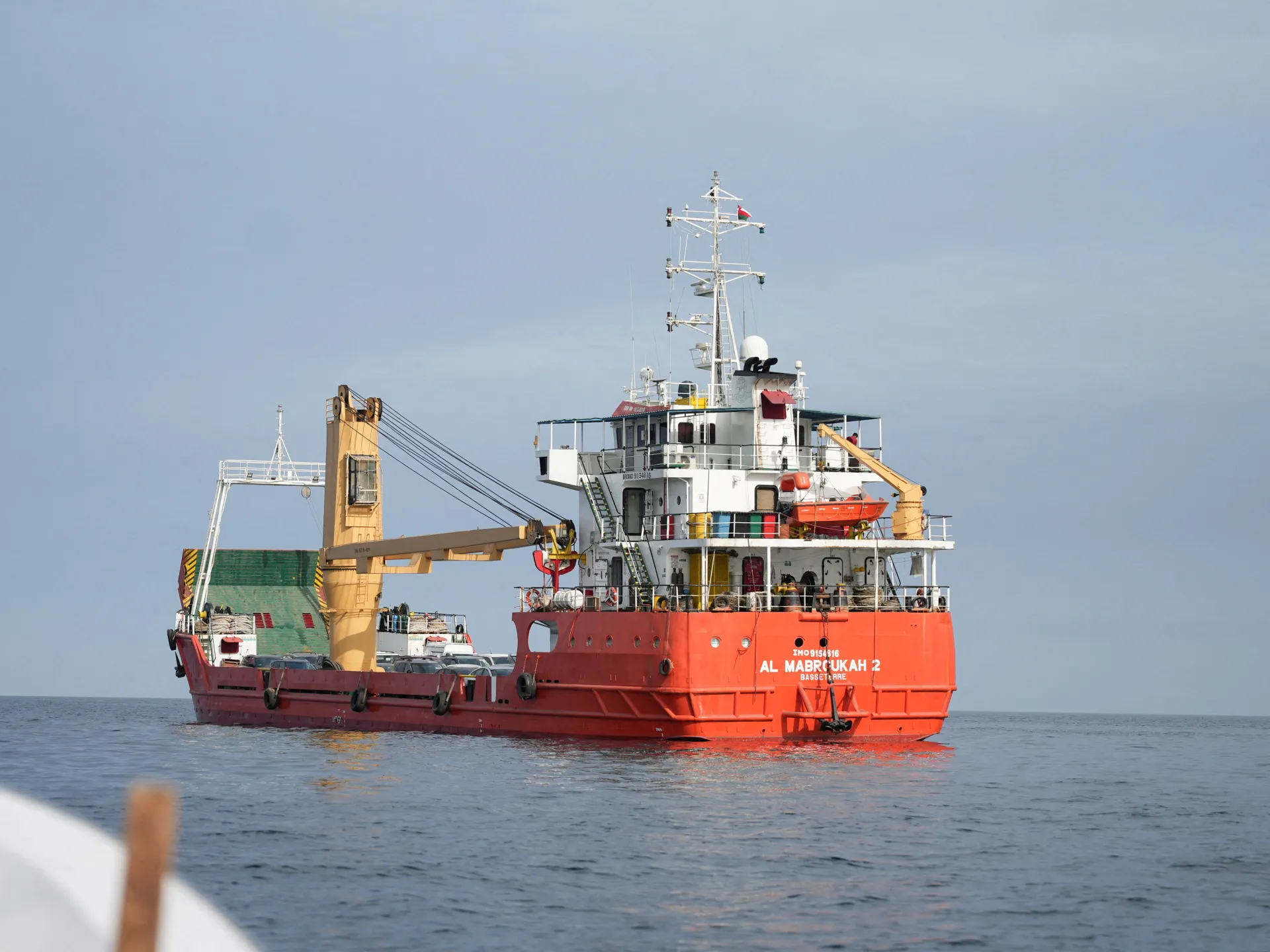
Furthermore, the broader instability, compounded by recent discussions regarding naval blockades and maritime security, poses a direct threat to the regional supply chain and the logistical hubs of the Middle East. The convergence of domestic civil unrest, triggered by inflationary pressures, and external military confrontations creates a high-uncertainty environment that hampers venture capital (VC) activity and foreign direct investment (FDI) in the Levant and Persian Gulf corridors. For private equity and VC firms targeting the MENA tech ecosystem, the current climate necessitates a pivot toward “defensive” technologies—cybersecurity, decentralized logistics, and resilient energy systems—as the traditional growth models face headwinds from shifting geopolitical fault lines.
Ultimately, the institutional outlook for the region must account for a protracted period of heightened securitization. As Tehran reinforces its internal control mechanisms to combat perceived foreign-instigated instability, the resulting tension acts as a friction point for regional economic integration. For the global financial community, the primary directive remains the monitoring of the fragile ceasefire and the potential for maritime disruptions, both of which could fundamentally alter the cost of capital and the strategic deployment of sovereign wealth across the Middle Eastern theater.