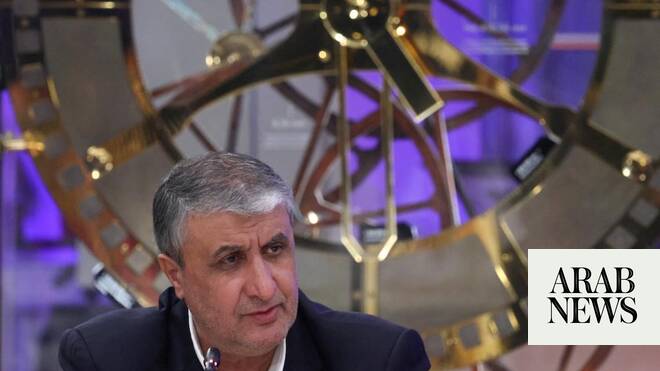

Iran’s unwavering stance on its uranium enrichment program, as reiterated by the head of its nuclear energy agency, Mohammad Eslami, presents a significant challenge to regional geopolitical stability and has profound implications for both sovereign capital deployment and the trajectory of technological advancement within the Middle East and North Africa (MENA) region. This firm rejection of potential restrictions directly impacts investor confidence, particularly concerning long-term infrastructure projects vital for economic diversification. The perceived risk associated with Iran’s nuclear ambitions can deter foreign direct investment, hindering the development of crucial energy, transportation, and digital infrastructure across the region.
The business impact extends beyond direct investment. Sovereign wealth funds in the MENA region, traditionally active in global markets, face increased scrutiny and potential divestment pressures due to the heightened geopolitical risk. Furthermore, the ongoing tensions could complicate existing and future trade agreements and supply chain dynamics. The potential for further escalation necessitates a recalibration of investment strategies, favoring more stable and predictable markets within the region and internationally. This creates a competitive landscape where nations prioritizing economic resilience and diversification may attract greater capital flows, potentially accelerating technological adoption and innovation.
Venture capital activity in Iran, already constrained by international sanctions, faces further headwinds. The lack of clarity surrounding the nuclear program makes it difficult for international investors to engage with Iranian startups and technology companies. This has a ripple effect throughout the region, potentially slowing the diffusion of innovative technologies and hindering the growth of a vibrant tech ecosystem. Conversely, countries actively fostering technological independence and developing domestic capabilities in areas like renewable energy and digital infrastructure are positioned to capitalize on this evolving landscape. Regional infrastructure development, critical for economic growth, may experience delays and increased costs due to heightened geopolitical uncertainty and the need for enhanced security measures.
The long-term implications for MENA infrastructure are considerable. Projects requiring international financing and partnerships, particularly in energy and transportation sectors, will face greater hurdles. The potential for sanctions and diplomatic instability necessitates a greater emphasis on regional cooperation and the development of alternative financing mechanisms. While Iran’s current posture may limit immediate external investment, its technological advancements in nuclear technology, coupled with regional efforts to build resilience, will continue to shape the competitive dynamics of the MENA region and its role in global energy and technology markets. This necessitates a proactive and adaptable approach from regional and international stakeholders to navigate the evolving risks and opportunities.