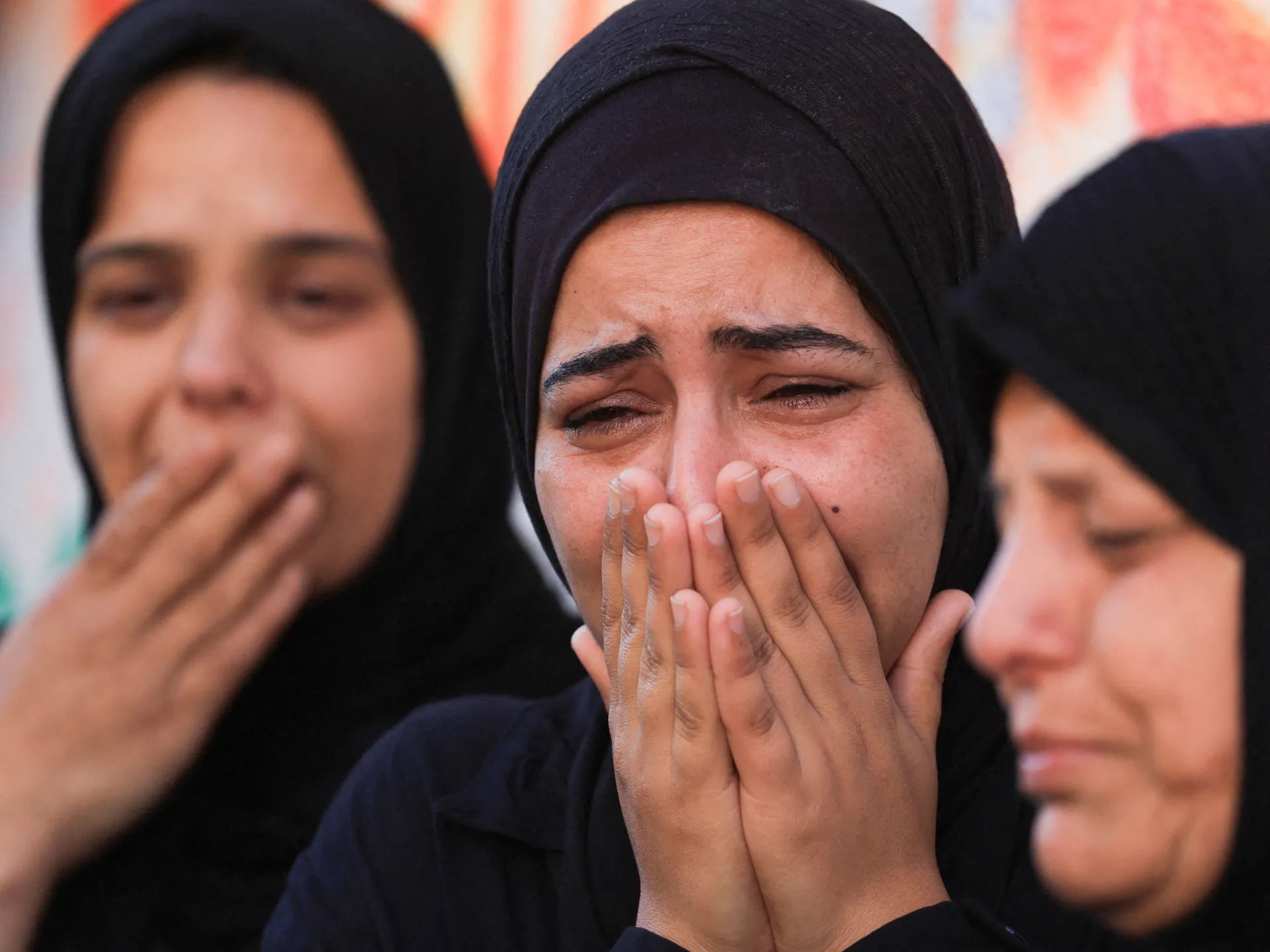

The escalation of hostilities in Gaza, highlighted by recent Israeli air strikes and tank shelling that killed at least 12 Palestinians—including six police officers—has injected a new layer of geopolitical risk into the MENA investment landscape. Sovereign wealth funds across the Gulf, already navigating volatile oil price dynamics and the broader macro‑policy shift toward diversification, are now forced to reassess exposure to any assets tied to the disputed territories. The immediate consequence is a contraction in the pipeline of public‑private partnership projects, particularly in infrastructure sectors such as water desalination, renewable energy, and transport, where cross‑border cooperation had been a prerequisite for scale.
Venture capital activity, which has enjoyed a steady inflow of capital from both regional family offices and international funds targeting the Arab tech renaissance, faces a chilling effect. Early‑stage enterprises operating in fintech, health‑tech, and agri‑tech that relied on talent pipelines from the West Bank and Gaza now confront heightened operational risk, potential supply‑chain disruptions, and an exodus of skilled personnel. Investors are tightening due diligence criteria, demanding explicit geopolitical risk mitigation strategies, and in many cases reallocating capital to comparatively stable ecosystems in the UAE, Saudi Arabia, and Egypt.
From an infrastructure financing perspective, the conflict threatens to delay or cancel multi‑billion‑dollar projects funded by the World Bank and the Asian Development Bank, which have been instrumental in modernising Gaza’s dilapidated grid and transport links. The risk premium on sovereign borrowing for the Palestinian Authority is expected to rise sharply, constraining its ability to service existing debt and limiting the scope for new bond issuances. Regional banks with exposure to Palestinian municipal bonds may see a downgrade in asset quality, prompting tighter lending standards across the sector.
In the broader MENA context, the shock underscores the fragility of growth narratives that rely on regional stability. Policymakers in Riyadh, Abu Dhabi, and Doha are likely to intensify diplomatic engagement to contain spill‑over effects, while simultaneously accelerating domestic investment programmes to offset any loss of cross‑border synergies. For investors, the episode serves as a stark reminder that geopolitical calculus remains a decisive factor in capital allocation decisions across the Middle East and North Africa.