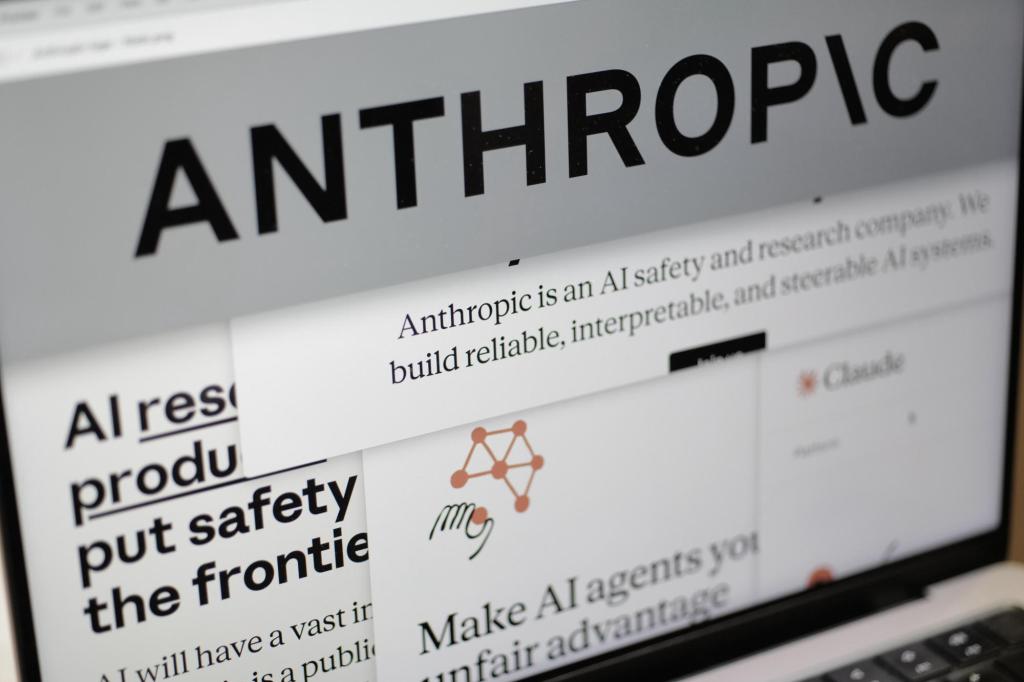

The recent developments surrounding Anthropic, particularly concerning its latest AI model, Mythos, have struck at the heart of a growing concern: the intersection of artificial intelligence and national security. The revelation that potential vulnerabilities in critical infrastructure could be exploited by advanced AI systems has reverberated through financial and technological sectors. This is not merely a note of alarm on Capitol Hill but a warning shot fired at global institutions and nations alike. The implications of central bank failures, power grid outages, and the erosion of government controls are tangible and far-reaching, with stakes measured in trillions and sovereign failures.
The business impact of this innovation is profound and dual-edged. While the potential for enhanced productivity and decision-making through AI is significant, so too is the risk to the financial stability and infrastructural integrity that underpin the Gulf states’ economies. As a nexus of commerce and energy, the MENA region is acutely aware of the implications. High sovereign debt and reliance on state-controlled infrastructure mean that a breach in cybersecurity, not hypothetical, but highly probable with the technical capabilities of AI like Mythos, could have dire consequences for regional economies and investments.
Moreover, the increasing politicization of AI and its perceived dual-use as a tool for both prosperity and oppression have led to its classification as a strategic asset. This has widened the gap between AI-powered innovation and the interests of regional economies that are more indebted and reliant on foreign capital. Within the MENA region, where the economic and political climate is fraught with instability, the potential for increased financial capital flight becomes all the more pertinent. Venture capital firms will need to weigh the risks associated with investing in this AI-driven era, considering how these technologies could be leveraged for state capture or destabilization.
The sovereignty and capital exportation industries in the region are eager to leverage insights around AI to enhance regional infrastructure resilience. Yet, these initiatives will be tempered by caution, owing to the destabilizing potential of AI as illustrated in this confrontation. Central banks, eager to lend a hand at ensuring financial stability and mitigating the fallout from growing sovereign debt, face a quandary: how to regulate AI effectively without stifling the pursuit of technological advancements that could propel the region’s economies forward.
As regional financial managers and investors scan the horizon for new opportunities in the face of this existential AI security challenge, the MENA region will find itself at the crossroads of technological leapfrogging and the protection of hard-earned capital exports. The dichotomy will likely determine how the region will shape its economic destiny over the next decade. It is a moment — once again — when humanity’s technological prowess could either be a beacon of progress or a harbinger of division.